Lithuania Declares Emergency Over belarusian smuggling Balloons: A Deep Dive into Hybrid Warfare & Airspace Security
Have you ever imagined contraband being delivered by weather balloon? It sounds like a plot from a spy novel,but it’s the reality Lithuania is currently facing. The nation has declared a state of emergency in response to a surge in smuggling operations utilizing weather balloons launched from Belarus, disrupting air travel and raising serious national security concerns. This isn’t simply about cigarettes; it’s a complex situation indicative of escalating hybrid warfare tactics.
This article will explore the details of this unfolding crisis, examining the scale of the problem, Lithuania’s response, the geopolitical implications, and what this means for airspace security across Europe. We’ll delve into the specifics of balloon smuggling, the concept of hybrid threats, and the potential for escalation.
The Balloon Barrage: Scale and Disruption
For months, Lithuania has been grappling with an unusual influx of weather balloons drifting across its border from belarus. These aren’t innocent meteorological instruments; they’re being systematically used by smugglers to transport contraband, primarily cigarettes, into the country. The sheer volume is staggering.According to Lithuania’s Interior Ministry, as of late 2025, 600 smuggling balloons and 197 drones have infiltrated Lithuanian airspace this year alone.
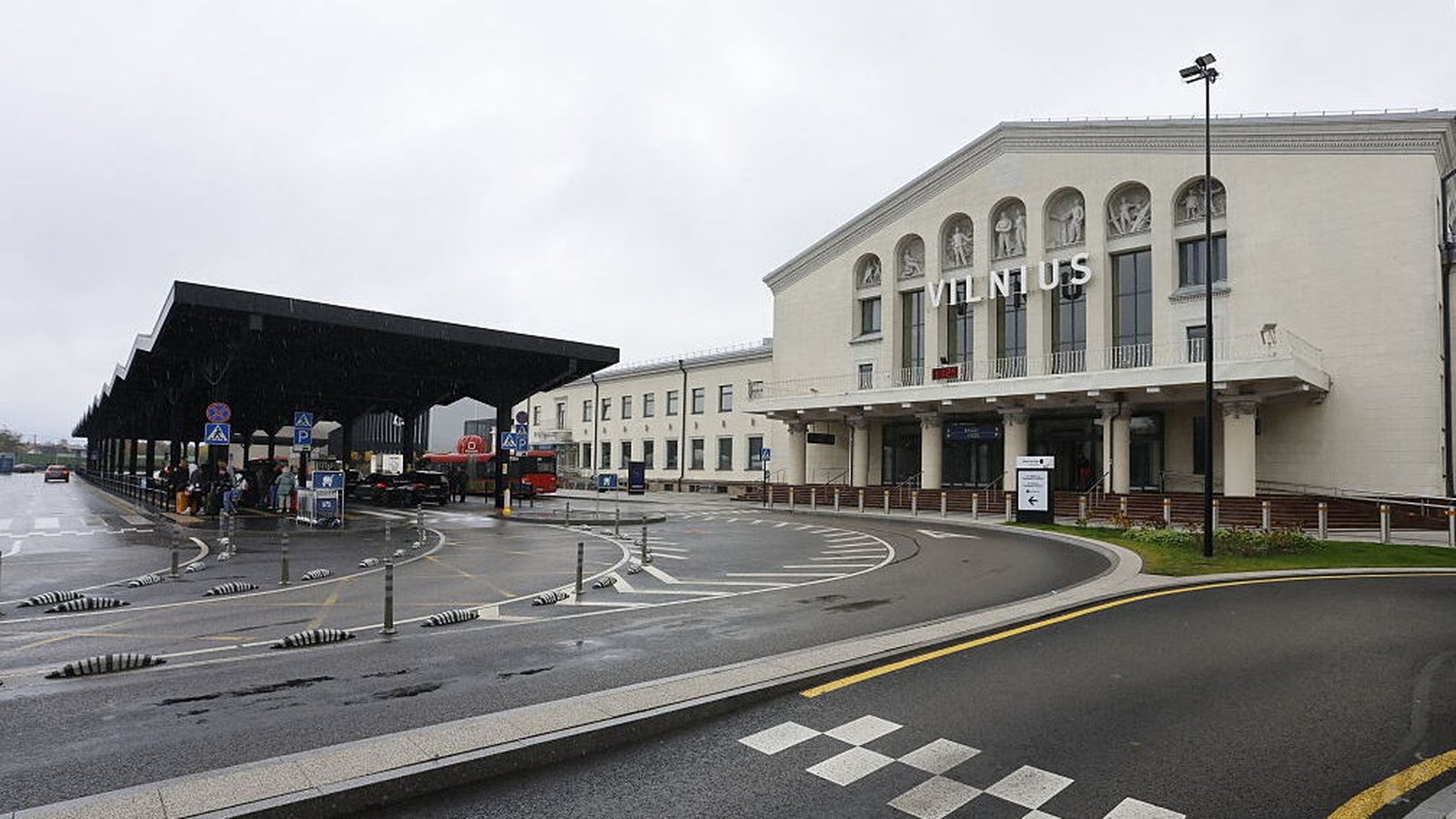
The impact on civil aviation has been significant. These intrusions have disrupted over 300 flights, affecting approximately 47,000 passengers throughout 2025 (LRT reports). Vilnius Airport, the nation’s primary international gateway, experienced repeated closures in October and November, with the most recent incident occurring just last Saturday. This isn’t merely an inconvenience; it represents a direct threat to flight safety and economic stability. The disruptions cause cascading delays, impacting travel plans and perhaps damaging Lithuania’s reputation as a reliable transit hub.
Lithuania’s Response: A State of Emergency & Enhanced Powers
Faced with escalating disruptions and mounting security concerns, the lithuanian government declared a state of emergency on December 9th, 2025. This declaration isn’t a knee-jerk reaction; it’s a calculated move designed to provide authorities with the necessary tools to address the crisis effectively.
The proposed measures, currently awaiting parliamentary approval, would grant Lithuanian armed forces expanded powers to operate alongside police and border guards. These powers include the authority to detain suspects and restrict access to specific areas during the emergency period, which could last up to three months. Interior Minister Vladislav Kondratovič emphasized that the state of emergency is justified not only by aviation disruptions but also by broader “national security concerns and the need for closer coordination among institutions.”
This response aligns with Lithuania’s proactive stance on security, particularly considering its geographical proximity to Russia and Belarus. Lithuania previously declared a state of emergency in February 2022 following Russia’s full-scale invasion of Ukraine, demonstrating a willingness to take decisive action to protect its sovereignty.
The Geopolitical Context: Hybrid Warfare & Minsk‘s Denial
Lithuania doesn’t view these incidents as isolated acts of smuggling. They are considered part of a intentional hybrid attack orchestrated by Belarusian authorities. Hybrid warfare combines conventional and unconventional tactics – including disinformation, cyberattacks, economic pressure, and, in this case, exploiting loopholes in airspace regulations – to destabilize a target nation without triggering a full-scale military conflict.
Lithuania accuses Belarus of deliberately failing to prevent smugglers from utilizing its territory, suggesting tacit support for these operations. this accusation is further fueled by the ongoing political tensions between the two countries.
The European commission President, Ursula von der Leyen, has publicly condemned the balloon intrusions as “completely unacceptable,” labeling them a “hybrid attack” and announcing preparations for further sanctions against Minsk (via X, formerly Twitter). However, Belarusian President alexander Lukashenko dismissed Lithuania’s concerns as “unrealistic,” according to the pro-government Telegram channel Pul Pervogo, further exacerbating the diplomatic standoff. This denial underscores the challenges in attributing responsibility and holding perpetrators accountable in the realm of hybrid warfare.
Beyond Cigarettes: The Broader Implications for Airspace Security
While the current smuggling operation focuses on cigarettes, the potential for escalation is a significant concern. The same methods could be used to transport more hazardous contraband,such as weapons or explosives. Furthermore, the deliberate disruption of airspace raises questions about the vulnerability of critical infrastructure to unconventional attacks.
This incident highlights the need for enhanced airspace monitoring and security measures across Europe.Investing in advanced radar systems, drone detection technology, and improved coordination between national authorities are crucial steps to mitigate the risk of similar incidents. The European Union Aviation
Worth a look