Driving Africa‘s Green Mobility Revolution: A New Partnership Forges a Enduring Future
Africa is on the cusp of a transportation revolution, one powered not by fossil fuels, but by innovation, connectivity, and a shared vision for a sustainable future. A recent partnership between MTN Eswatini and Kiira Motors Corporation (KMC) of Uganda exemplifies this shift, demonstrating how strategic collaboration can unlock the potential of electric mobility and digital infrastructure across the continent. This isn’t just about selling electric buses; it’s about building an ecosystem that addresses critical challenges – from crippling traffic congestion and air pollution to the need for economic independence and technological advancement.
The Convergence of Connectivity and E-Mobility
MTN Eswatini’s commitment to providing comprehensive digital solutions for every Kayoola EV Coach sold within the contry is a pivotal move. It places connectivity at the very heart of the e-mobility evolution, moving beyond simply powering vehicles to actively managing and optimizing their performance. This integration of Internet of Things (IoT) technology – encompassing fleet management,real-time battery monitoring,and predictive maintenance – is perfectly aligned with Africa’s rapidly evolving technological landscape.
Consider the context: Africa currently boasts over 45% of the world’s mobile money accounts and is projected to reach 1 billion mobile broadband connections by 2026. This demonstrates a population increasingly reliant on digital infrastructure to fuel growth across all sectors, and green transport is no exception.The Kayoola EV Coach isn’t just a vehicle; it’s a data-rich platform, and MTN’s network is the vital artery delivering that data for optimized operation and informed decision-making.
Political Will and Regional Collaboration
The endorsement of the eswatini government, conveyed through Principal Secretary Tholani mkhaliphi on behalf of King mswati III, is a powerful signal of political commitment. This support stems from the King’s earlier visit to Uganda, where he witnessed firsthand the ingenuity of KMC’s innovation. This political backing is crucial. Historically, a lack of robust policy frameworks has hindered the widespread adoption of e-mobility across Africa. Currently, only 12 African nations have clearly defined national e-mobility policies, making Eswatini’s proactive stance especially noteworthy.
This partnership also highlights a growing trend of regional collaboration.for the Ugandan delegation, led by Ambassador Paul Amoru, the engagement underscores Uganda’s rising influence in high-tech manufacturing. The Kayoola EV coach has become a symbol of African engineering prowess, demonstrating the continent’s capacity for innovation. As KMC’s legal head, Elias Bwambale, aptly stated, this initiative showcases how African nations can learn from, adapt, and build upon each other’s successes to drive both environmental and economic change. It’s a move away from reliance on external solutions and towards self-reliance and intra-African trade.
Beyond Network Provision: Powering a Mobility Ecosystem
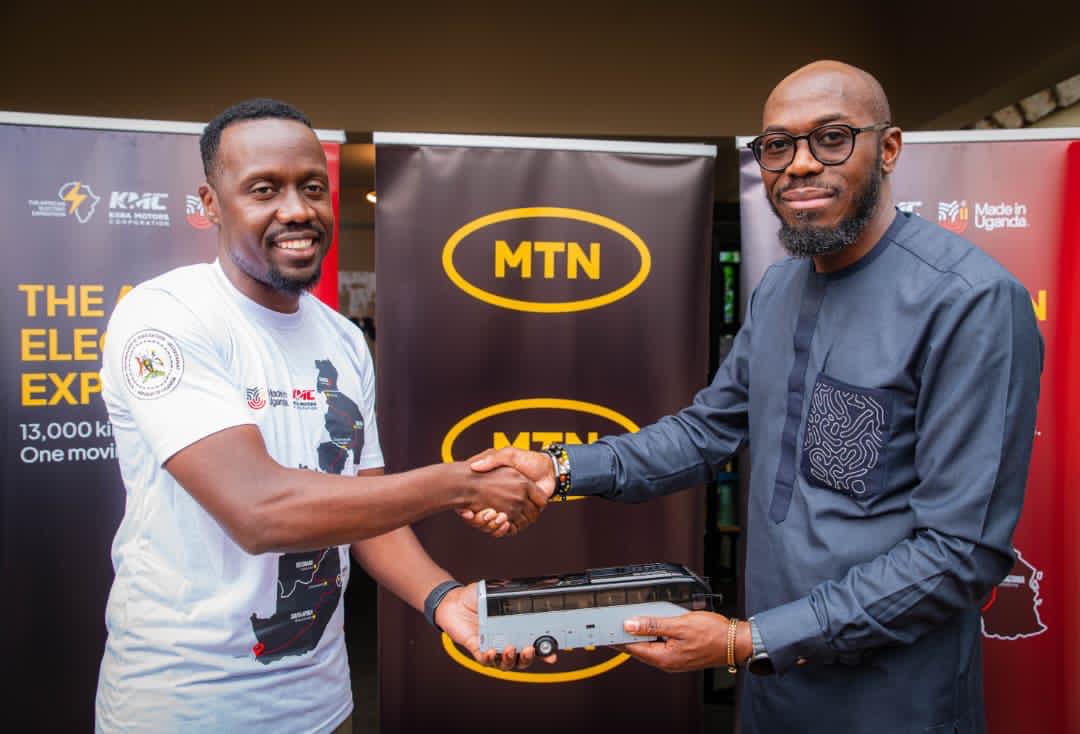
The momentum behind this partnership is further amplified by the ongoing 13,000-kilometre electric expedition spearheaded by MTN Uganda and the Science, Technology and Innovation Secretariat (STI-OP) under the Office of the President. This ambitious journey isn’t just a demonstration of range and endurance; it’s a real-world testbed for the integration of telecommunications and e-mobility.MTN’s connectivity provides real-time monitoring, ensures passenger safety, facilitates seamless communication, and streamlines media coordination – demonstrating how telecommunications can evolve beyond simply providing network access to powering entire mobility ecosystems. As Ibrahim Senyonga, Enterprise Business Unit GM at MTN Uganda, emphasizes, the company is delivering the same reliability to this mission that it provides to millions of customers and businesses daily.
Addressing Urgent Urban Challenges
The need for sustainable transport solutions in africa is undeniable. Urban centers across the continent lose over $35 billion annually to traffic congestion and air pollution. Cities like Kampala, Nairobi, and Johannesburg are experiencing some of the fastest-growing emissions from transport. Electric buses, particularly those manufactured locally, offer a viable path to mitigating these losses. The Kayoola EV Coach, such as, produces zero tailpipe emissions and significantly reduces operational costs for transport providers – a critical factor in countries where fuel expenses can account for up to 40% of total transport costs.This translates to economic benefits for both operators and commuters.
A Model for African Innovation and Independence
By strategically aligning Eswatini’s digital infrastructure with Uganda’s electric manufacturing expertise, the MTN-KMC partnership establishes a compelling precedent for cross-border African innovation. It’s built on shared priorities: sustainability, affordability, and technological independence. This model demonstrates how telecommunications and transport can converge to tackle climate challenges while simultaneously stimulating
Keep reading