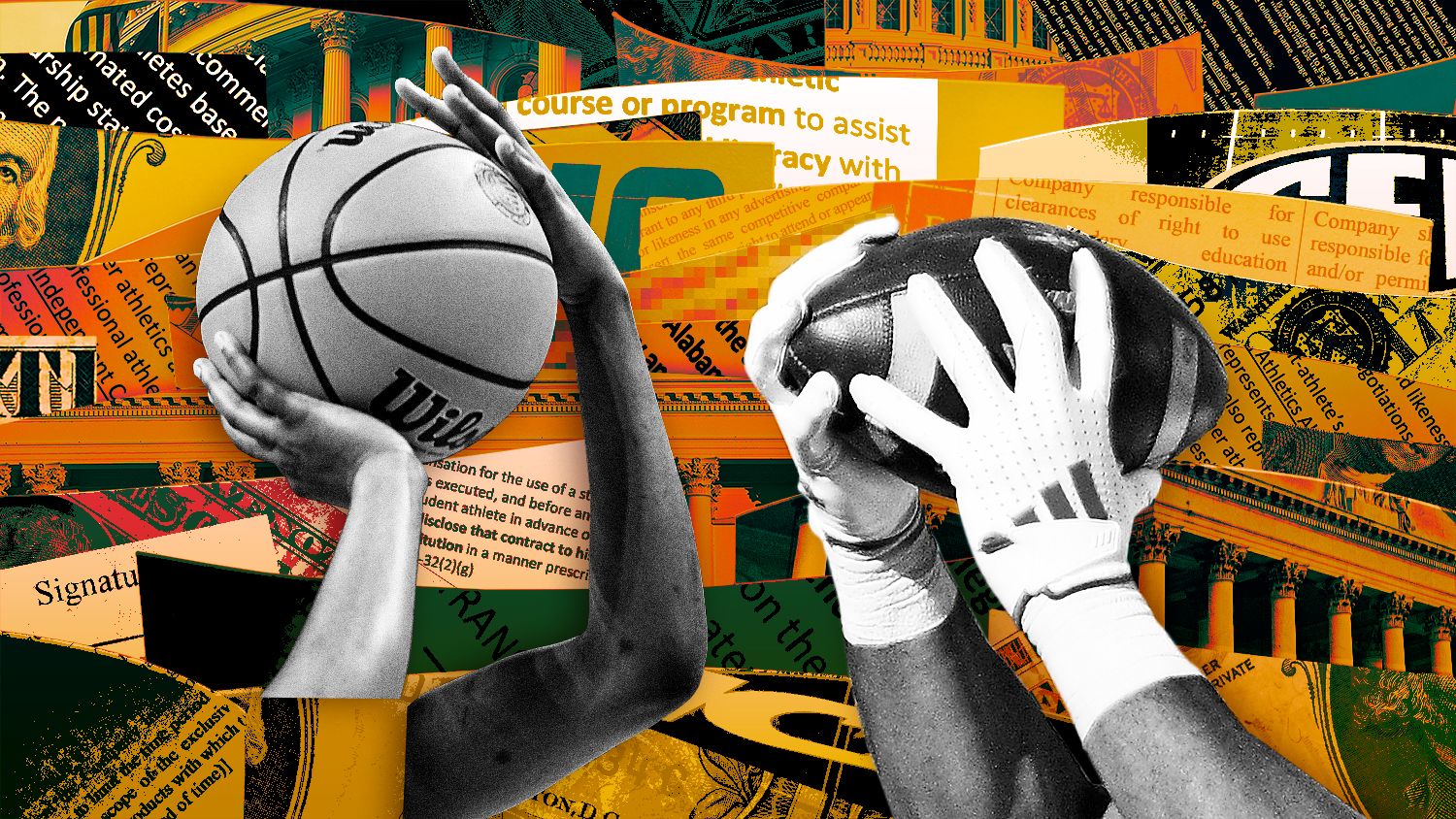
The Looming Transformation of College Athletics: Navigating the Path to Lasting Stability
For decades, college sports operated under a carefully constructed illusion of amateurism.That facade is crumbling, adn with it, the customary framework governing how universities manage their athletic programs - notably the crucial process of roster building and player compensation. The current landscape is characterized by legal challenges, escalating costs, and widespread frustration, forcing a reckoning with the need for fundamental change. This article delves into the complexities of this transformation, exploring the potential of collective bargaining and the urgent need for a sustainable, legally sound future for college athletics.
The Wild West of NIL and the Erosion of Competitive Equity
The advent of Name,Image,and Likeness (NIL) rights for student-athletes,while a positive step towards fairness,has inadvertently unleashed a period of instability. While intended to allow athletes to profit from their personal brand, the lack of consistent national regulation has created a chaotic surroundings. Coaches like Lane Kiffin are openly discussing maneuvering within a system where the supposed $20.5 million roster limit is routinely circumvented, highlighting a critical flaw: the rules aren’t being enforced.
This lack of enforcement isn’t just a matter of competitive balance; its a legal liability. The potential for future antitrust lawsuits looms large, with the financial burden of damages growing daily. The recent House settlement, intended to provide a framework for NIL regulation, hasn’t delivered the promised stability, leaving the future of college athletics precariously balanced.
The employee Question: A Core Obstacle to Collective Bargaining
A frequently discussed solution – collective bargaining – faces a significant hurdle: the legal status of student-athletes.Under current law, athletes would need to be classified as employees to engage in legally binding negotiations with universities. Though,the NCAA and many university leaders staunchly resist this classification,citing concerns about dramatically increased costs and the logistical challenges of managing a workforce of student-athletes.
The practicalities of how to bargain are also complex. Determining which athletes would be represented, and how they would be grouped, presents a significant challenge. Shoudl bargaining units be organized by conference, sport, or some other criteria? Who would represent the universities at the negotiating table? These are not simple questions, and have historically been used as reasons to dismiss collective bargaining as unrealistic.
A Path Forward: Athletes.Org and Emerging Solutions
Despite the skepticism, momentum is building. Athletes.Org (AO),a group dedicated to representing college athletes,recently published a detailed 35-page proposal outlining a potential collective bargaining agreement. This proposal isn’t just theoretical; it’s a concrete attempt to address the “in-the-weeds” complexities that have stalled progress.
The proposal is gaining traction. leaders like Syracuse Chancellor Kent syverud have publicly endorsed the need for a “partnership-based framework” where athletes have a “real collective voice.” This signifies a crucial shift in perspective, acknowledging the necessity of athlete representation.
Other innovative solutions are also being explored. Tennessee Athletic Director Phillip White proposes a model where top football programs form a private company to employ players, circumventing legal restrictions in states where public employees are prohibited from unionizing. He advocates for athletes to negotiate for a percentage of the revenue they generate, a logical and equitable approach.
The Cost of Inaction: Lobbying vs. Legal Battles
The financial implications of these changes are considerable. While paying athletes more will undoubtedly increase expenses, the cost of not addressing the current issues could be far greater. Between 2021 and 2024, the NCAA and the Power Four conferences spent over $9 million on lobbying efforts. However, this figure pales in comparison to the potential fees and penalties associated with continued losses in antitrust litigation.
As former NCAA President Nick Dickey succinctly puts it, “What currently is happening is not” sustainable. The current system is a reactive, expensive, and legally vulnerable approach.
A Shared Frustration: Players, Coaches, Fans, and Administrators
The frustration extends beyond legal and financial concerns. Players and coaches are operating in a climate of uncertainty, unable to effectively plan for the future. Fans, who invest significant time and money in their favorite teams, deserve transparency and a clear understanding of the rules governing the game. And athletic directors, responsible for managing budgets and personnel, are struggling to navigate these uncharted waters.
“It has been very challenging on campus. I can’t emphasize that enough,” says White.”It’s been brutal in a lot of ways.”
The Urgent Need for Proactive Solutions
The challenges facing college athletics are significant, but not insurmountable. The growing willingness of leaders like White and Dickey to explore new solutions,including collective bargaining and innovative employment models,signals a crucial turning point. The future of college sports hinges on a proactive, collaborative approach that prioritizes fairness