The Unseen Labor: How Black Caregivers Navigate Systemic Barriers and Champion Their Loved Ones
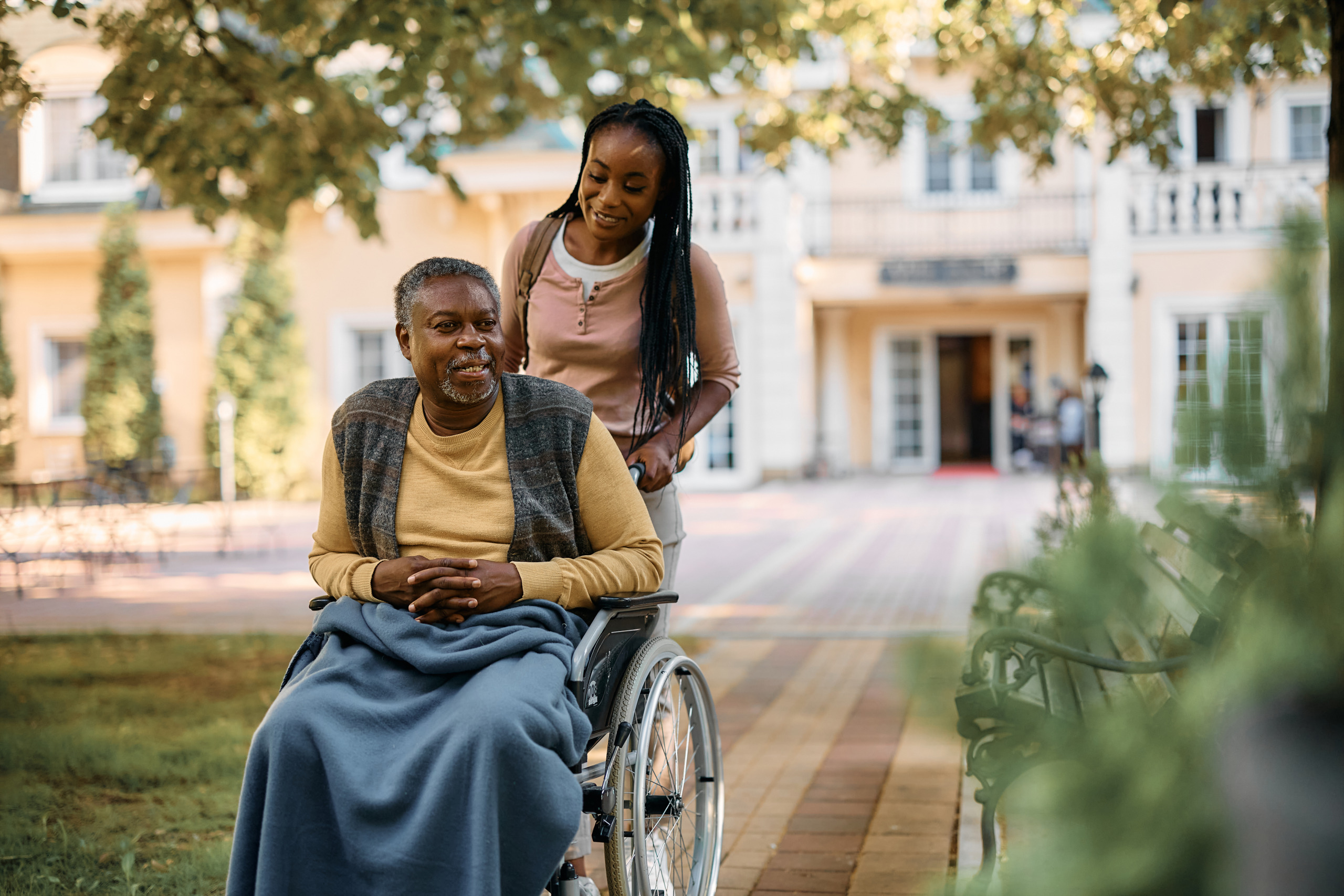
For millions of Americans, caregiving is a deeply personal and often demanding journey. But for Black caregivers, this role is frequently compounded by systemic inequities, requiring not only unwavering dedication to their loved ones but also relentless advocacy against a system that frequently enough overlooks their voices and unique needs. This article delves into the experiences of Black caregivers, exploring the challenges they face, the innovative solutions they create, and the urgent need for policy changes to support this vital, yet often invisible, workforce.
A Shifting Landscape Demands Proactive Advocacy
the role of a caregiver is multifaceted,demanding time,emotional resilience,and often,important financial resources. For many, like Keisha Myers, a mother raising a Black Deaf daughter, the demands intensified with the political shifts of recent years. What began as a focused,day-to-day routine quickly evolved into a proactive strategy to safeguard access to essential services.
“With so many shifts in disability-related funding, education oversight, and conversations around Medicaid, I had to stay proactive,” Myers explained in an interview with EBONY. “I couldn’t just focus on day-to-day parenting. I had to follow policy closely to make sure nothing threatened [my child’s] access to therapies,services or support systems.”
This experience highlights a crucial reality: modern caregiving isn’t solely about providing direct care. It’s about navigating a complex web of policies, advocating for rights, and actively defending access to vital resources. Caregivers are increasingly becoming de facto policy experts, forced to understand and respond to changes that directly impact the well-being of those they love.
Beyond Medical Needs: The Holistic Demands of Care
The care required extends far beyond medical appointments and therapies. Emotional support is paramount, not only for the individual receiving care but also for the caregiver themselves. The emotional toll of caregiving can be significant, leading to burnout, isolation, and mental health challenges.
For Black caregivers, this burden is often amplified by the need to address cultural nuances and systemic biases. Myers’ experience beautifully illustrates this point. Raising a Black Deaf daughter requires not only ensuring access to communication support but also actively seeking representation in all aspects of her life – books, classrooms, and community spaces.
“For me, raising a black deaf daughter means fighting for her access and her representation,” Myers stated. She further highlighted a surprisingly overlooked challenge: hair care.”cochlear implants weren’t designed with black textures or protective styles in mind. We have to think through every style: Will it secure her device? Will it cause discomfort?”
This led her to innovate, creating a functional braid pattern that protects her daughter’s coils while securing the processor.This ingenuity is a hallmark of Black caregivers, constantly adapting and creating solutions because mainstream accessibility often fails to consider their cultural needs.
Facing Bias in Healthcare: A Common Struggle
Andrea Saunders,founder of Ayo Castro Kids and mother to children with autism,echoes the sentiment of needing to constantly advocate. while the rewards of caregiving are immense, she faces familiar challenges - lack of sleep, constant worry - compounded by experiences of bias within the healthcare system.
“I can’t speak for other cultures, but my biggest challenges have been at the hospitals,” Saunders shared. “I don’t think the doctors or nurses take the time to hear my concerns for my individual children when they are in pain or have issues and nine times out of ten, I am right.They don’t have patience for questions I ask to ensure I am clear moving forward. Nurses are often rude and ill-equipped to handle behaviors of autistic children and say rude things out loud.”
This experience isn’t isolated. Numerous studies and anecdotal evidence reveal that Black families often encounter skepticism, dismissal, and even disrespectful treatment from healthcare professionals, leading to delayed diagnoses, inadequate care, and a breakdown in trust. This systemic bias adds another layer of complexity to the already demanding role of a caregiver.
The Urgent Need for Policy Support: the Credit for Caring Act
Despite the critical role caregivers play, there’s a significant lack of formal support systems in place. Currently, there is no federal tax credit specifically designed to alleviate the financial burden of caregiving, nor a extensive contingency plan for caregivers impacted by potential Medicaid cuts.
Though, there is hope on the horizon. The Credit for Caring Act (H.R.2036), initially proposed during the 2024 presidential election season, aims to provide financial relief to caregivers by offering a tax credit for out-of-pocket expenses related
Keep reading