Hamas Signals Versatility on Weapons, Rejects Full Disarmament in Gaza
Recent developments suggest a potential, albeit limited, shift in Hamas’s position regarding the ongoing conflict with Israel. A senior Hamas leader, Khaled Meshaal, indicated Wednesday the group is open to discussing a temporary “freeze” on weapons, but firmly rejects complete disarmament as part of any U.S.-backed peace plan. This nuanced stance reveals the complexities inherent in forging a lasting resolution to the crisis in Gaza.
Meshaal, in a televised interview, clarified that the proposed freeze wouldn’t equate to surrendering their ability to defend themselves. Instead, it would involve storing weapons to prevent escalation with Israel, contingent on reciprocal guarantees. He powerfully stated, “Disarmament for a Palestinian means stripping away his very soul,” underscoring the deep-seated resistance to relinquishing the means of self-defense.
key Points of Hamas’s Position:
* Temporary Freeze Considered: Hamas is willing to explore a temporary cessation of offensive military activity.
* Disarmament is a Red Line: Complete disarmament remains unacceptable, viewed as a fundamental threat to Palestinian existence.
* International Peacekeeping – With Conditions: The group is open to an international peacekeeping force along the Gaza-Israel border.
* No Internal Presence: Though, they will not permit such a force to operate within Gaza, deeming it a form of occupation.
These conditions highlight Hamas’s core concerns: maintaining a degree of sovereignty and ensuring their ability to respond to perceived threats. You’ll find this is a common thread in negotiations across conflict zones globally.
Currently, hamas accuses Israel of violating the existing ceasefire. They cite restricted aid deliveries, the continued closure of the Rafah crossing – a vital lifeline for Gaza - and ongoing strikes that continue to claim civilian lives. These accusations further complicate the path toward a enduring peace.
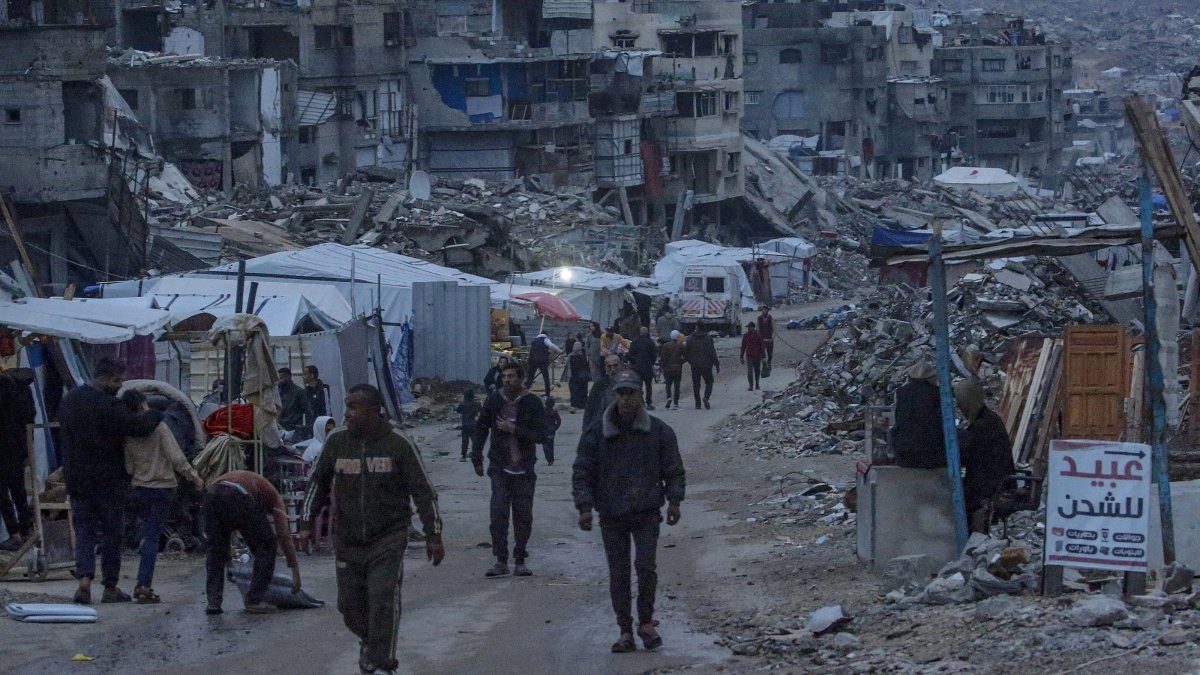
The human cost of the conflict is staggering. Since 2023, Israel’s military operations have resulted in the deaths of over 70,000 Palestinians, the vast majority of whom are women and children.moreover, another 171,000 have sustained injuries.
Independent assessments paint an even grimmer picture. Experts warn that indirect consequences – disease, starvation, and the collapse of essential infrastructure – could push the total death toll beyond 100,000. This is a humanitarian catastrophe unfolding before our eyes, and it demands urgent attention.
Looking ahead,the success of any peace initiative hinges on addressing these critical issues. It requires a commitment from all parties to prioritize civilian safety,facilitate the unimpeded flow of humanitarian aid,and engage in meaningful dialog. Ultimately, a lasting solution must acknowledge the legitimate security concerns of both Israelis and Palestinians, and respect the fundamental rights and dignity of all involved.
Worth a look