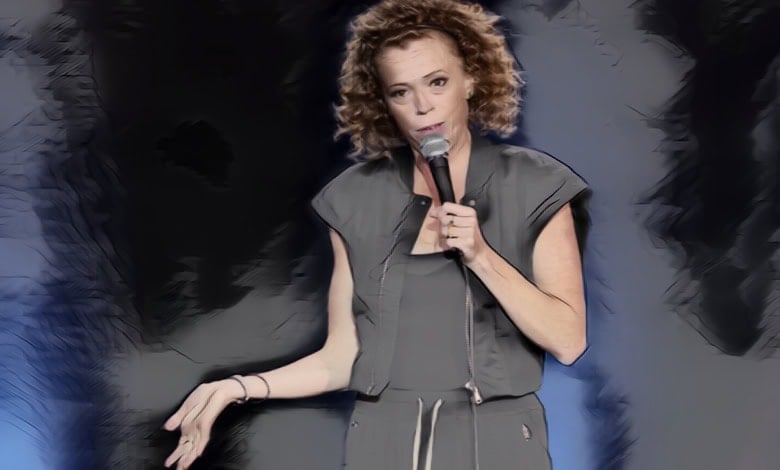
The Fallout from a Failed Roast: Michelle Wolf, Political Comedy, and the Intricate Relationship Between Comedians and Power
Michelle Wolf’s performance at the 2018 White House Correspondents’ Association (WHCA) dinner remains a pivotal moment in the world of political comedy. It wasn’t just a bad set; it was a watershed event that exposed the delicate, often unspoken, rules governing humor in the presence of power. And the repercussions continue to ripple through the comedy landscape today, as evidenced by Wolf’s recent comments on podcasters who engaged with Donald Trump.
The annual WHCA gala traditionally aims for a balance of gentle ribbing directed at both sides of the political aisle. It’s not intended as a scorched-earth roast.However, wolf’s routine, widely perceived as harshly critical of the Trump administration and notably of Sarah Huckabee sanders, dramatically broke that convention.
Her approach cut against the event’s established tone, drawing immediate criticism.While some lauded her willingness to challenge power,others condemned her as cruel and overly partisan. this controversy, ironically, boosted interest in her Netflix series, “The Break,” which was subsequently canceled after just 10 episodes.
A Career Interrupted & Deepening Divides
Following the show’s cancellation, Wolf’s career trajectory shifted. She landed a new comedy special, “The Well,” on Netflix, but the WHCA dinner continued to define public perception. Recently, in an interview on “the Last Laugh” podcast, Wolf doubled down on her approach, stating she’d be even more aggressive if given the chance to do it again.
This stance reveals a deeper ideological commitment.Wolf openly embraces progressive viewpoints, including:
* Support for open borders.
* The assertion of systemic legislative discrimination against black Americans (a claim presented without supporting evidence).
* The belief that late-night hosts were previously hesitant to criticize President Trump.
Though, it’s her recent critique of fellow comedians – specifically those who interviewed or supported Trump – that’s sparked renewed debate. Wolf targeted podcasters like Joe Rogan, Tony Hinchcliffe, Theo von, Andrew schulz, and Tim Dillon, accusing them of opportunistically aligning with Trump for personal gain. She refrained from naming them directly, yet the implication was clear to listeners.
The Shifting Sands of Political Alignment in Comedy
Wolf’s core argument centers on a perceived betrayal. She believes these podcasters initially supported Trump, then expressed reservations after his re-election, seemingly motivated by potential negative impacts on their businesses. “Now, wait, he’s doing all these things I didn’t think he would do,” she mimicked, attributing a self-serving motive to their evolving perspectives.
This accusation overlooks the possibility of genuine shifts in opinion. Rogan and Dillon, for example, have publicly questioned aspects of the Trump agenda following the 2020 election.They demonstrated an self-reliant streak, suggesting they weren’t blindly loyal.
But Wolf dismisses this nuance. She argues that if these comedians truly believed in Trump’s policies - even the controversial ones like family separations at the border – they should openly embrace them, irrespective of the consequences. “I’d think you were a terrible person for that, but I’d have more respect for it in a way,” she stated.
Why Did Some Comedians Engage with Trump?
The question of why some comedians chose to engage with Trump, particularly in the lead-up to the 2024 election, is complex.Several factors could be at play.
Could it be a response to perceived censorship from the Biden administration? many in the media and entertainment industries expressed concerns about potential restrictions on free speech. or perhaps, as some suggest, was there a genuine assessment that Vice President Kamala Harris lacked the intellectual heft for a rigorous interview?
Wolf, however, attributes it to a desire for proximity to power. “It’s just the idea of being close to power, which is what a lot of those guys get off on,” she asserted.
The Evolving Landscape of Political Comedy & Trust
The Wolf controversy and its aftermath highlight a essential tension within political comedy. is the role of the comedian to be a fearless truth-teller, regardless of the consequences? Or is there a responsibility to maintain a degree of
Keep reading