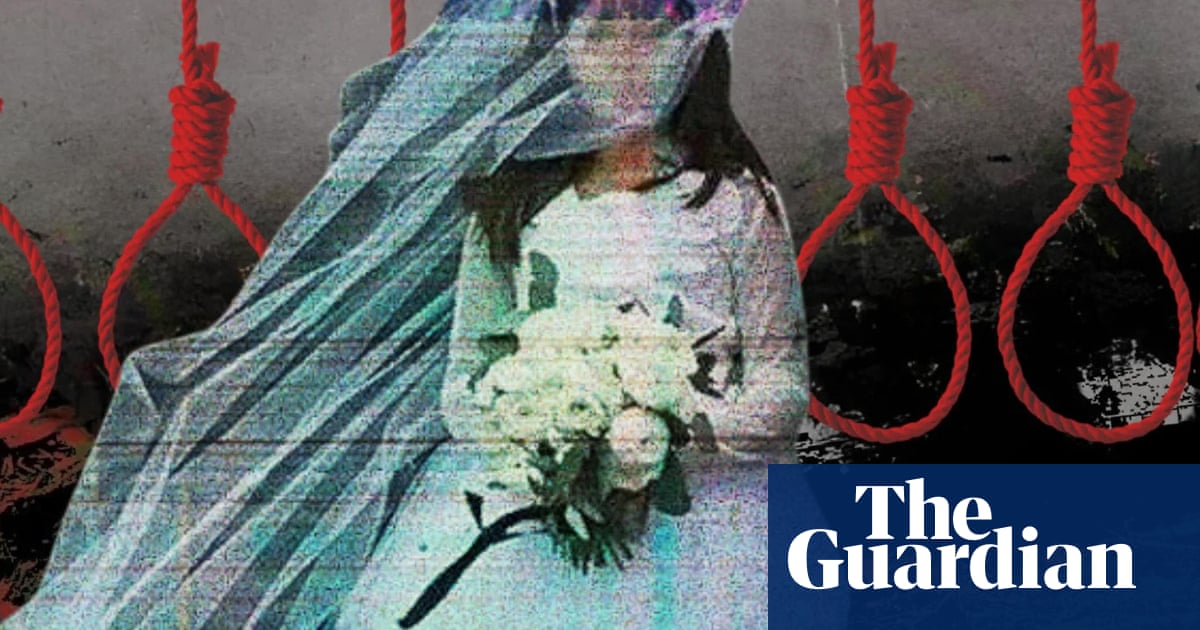
A Life Spared: The Fight to End executions of Women in Iran
The case of Goli Kouhkan, a woman facing execution in Iran for killing her abusive husband, has sparked international outcry and ultimately, a temporary reprieve. Her story shines a harsh light on a disturbing pattern: the execution of women in iran, often victims of domestic violence themselves. You might be wondering how a situation like this could unfold, and what’s being done to prevent further tragedies.
A Harrowing Cycle of Violence
Kouhkan’s situation is tragically common. She spent years enduring horrific abuse before defending herself, resulting in her husband’s death. Subsequently, she was sentenced to qisas – retribution in kind – a legal principle allowing for the execution of someone convicted of murder.
International pressure, fueled by widespread awareness, played a crucial role in halting Kouhkan’s execution. This demonstrates the power of collective action and the importance of shining a light on these injustices. The Iranian government often attempts to silence dissent,but increased global attention can create significant pressure to reconsider such sentences.
The Shocking Statistics
The numbers are deeply unsettling.
* between 2010 and 2024, at least 241 women were executed in Iran.
* A staggering 114 of those executions were carried out under qisas laws for homicide.
* The vast majority of women executed for homicide had killed their husband or intimate partner.
* Many were victims of domestic violence, child marriage, or acted in self-defense.
Iran consistently executes more women than any other nation globally. Last year alone, at least 30 women were put to death. As of late 2025, at least 42 women have already been executed this year, with 18 specifically for the murder of their husbands – including some who were child brides.
Understanding Qisas and Its Impact
Qisas is a complex legal concept rooted in Islamic law. while intended to provide justice for victims, it frequently enough perpetuates a cycle of violence, particularly against women. It fails to adequately consider the context of abuse and trauma that often leads to these tragic situations.
You may ask, what can be done? Advocates are pushing for legal reforms that would recognize mitigating circumstances, such as prolonged abuse and self-defense, in cases of domestic violence. They are also working to raise awareness about the systemic issues that contribute to this crisis.
The Role of international Advocacy
The global response to Kouhkan’s case underscores the vital role of international advocacy. Organizations and individuals worldwide are working to:
* pressure the Iranian government to abolish the death penalty, particularly for crimes committed in self-defense against abuse.
* Support legal reforms that protect women and recognize the complexities of domestic violence.
* Provide assistance to women at risk of execution and their families.
* Amplify the voices of those affected by this injustice.
What You Can Do
You don’t have to stand by. Here’s how you can contribute to this critical cause:
* Stay informed: Continue to educate yourself about the situation in Iran and the plight of women facing execution.
* raise awareness: Share information with yoru network and encourage others to learn more.
* Support organizations: Donate to or volunteer with organizations working to protect women’s rights in Iran.
* Contact your representatives: Urge your elected officials to advocate for human rights in Iran.
The fight to end the execution of women in Iran is far from over. But with continued awareness, advocacy, and a commitment to justice, we can help create a future where women are protected, not punished, for defending their lives. It’s a future worth fighting for, and your voice can make a difference.
Related reading