Rising Tensions in the Indo-Pacific: Joint Drills and Radar Lock-Ons Signal a Shifting Security Landscape
The security environment in the Indo-Pacific region is rapidly escalating, marked by a recent surge in military activity and increasingly assertive actions. This week has seen a series of events – including joint military exercises between the U.S. and Japan, concerning radar lock-ons by Chinese aircraft, and joint Sino-Russian bomber flights – that are significantly straining relations and prompting a strong response from Tokyo and Washington. Let’s break down what’s happening and what it means for you.
Recent Incidents Fueling Concerns
The immediate catalyst for heightened alert is a series of incidents involving chinese military aircraft.On Saturday,Japanese jets were subjected to radar locking – a move widely interpreted as a precursor to potential engagement - further deteriorating already fragile relations with Beijing. This follows a weekend of Chinese naval drills near southern Japan that prompted Tokyo to scramble its own aircraft and lodge a formal protest.
China denies the allegations of radar locking, claiming Japanese jets interfered with their exercises and posed a safety risk. However, the U.S.has firmly backed Japan, stating the incident was “not conducive to regional peace and stability.” You can understand why this is a serious concern.
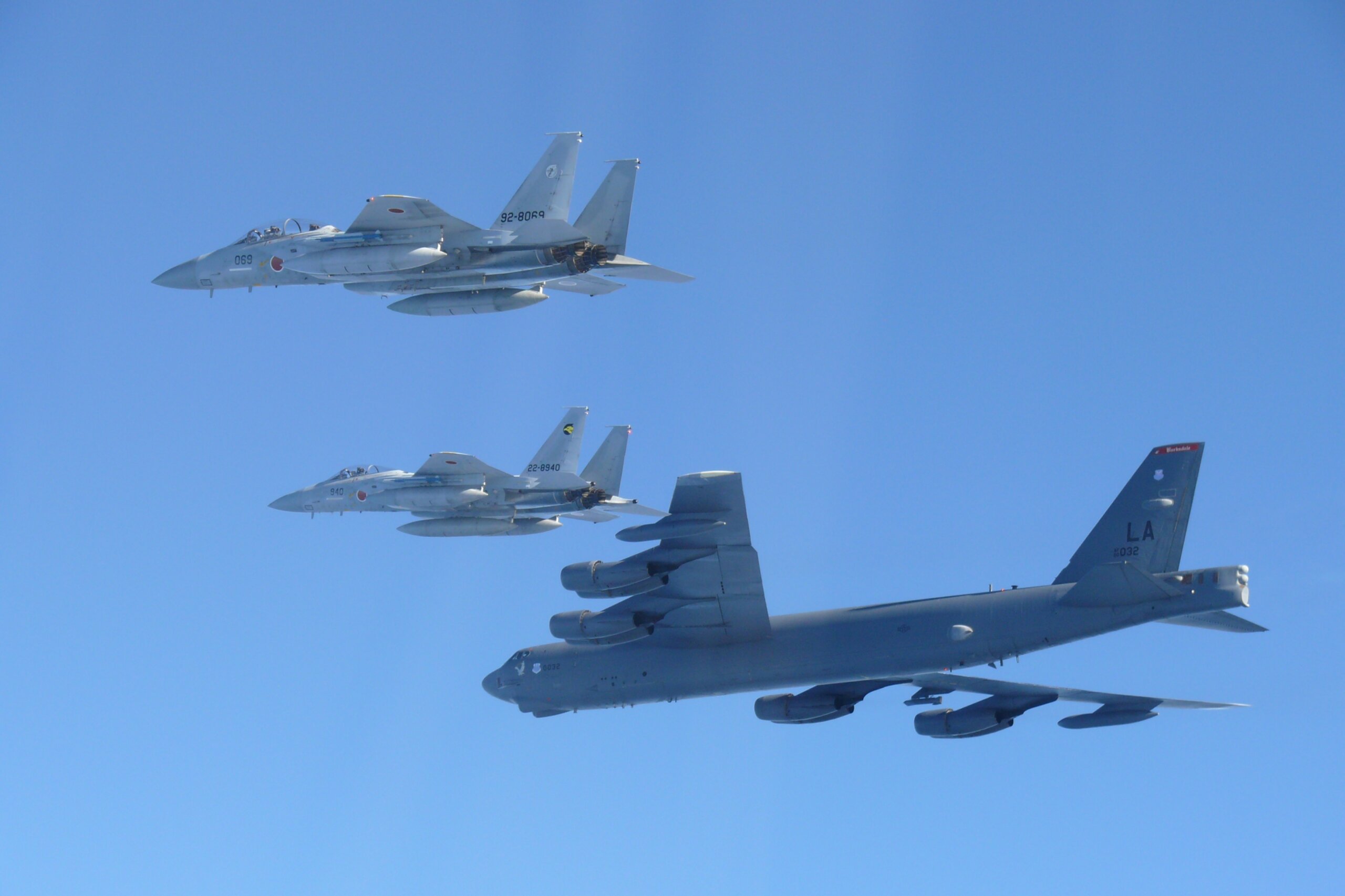
Joint U.S.-Japan Exercise: A Show of Force and Resolve
In response to the escalating tensions, the U.S. and Japan conducted joint flight drills on Wednesday. This wasn’t a reaction to a single event, but rather a presentation of allied resolve in the face of a worsening security environment.
Here’s a breakdown of the exercise:
* Participants: Two U.S.B-52 strategic bombers, three Japanese F-35 stealth fighters, and three F-15 jets.
* Location: Western airspace near Japan, over waters between Japan and South Korea.
* Objective: To reaffirm the commitment to preventing unilateral attempts to alter the status quo by force. Both nations signaled their readiness to defend against aggression.
The exercise underscored a strong message: the U.S. and Japan stand united in maintaining regional stability.
China and Russia Demonstrate Coordination
Adding another layer of complexity, China and Russia conducted joint long-distance flights earlier this week. This coordinated activity highlights a growing strategic alignment between the two nations.
The exercise involved:
* Aircraft: Two Russian Tu-95 strategic bombers and two Chinese H-6 bombers.
* Route: From waters between Japan and South Korea, down to the Pacific Ocean, off the southern coast of Japan’s Shikoku island.
* Escort: Four Chinese J-16 fighter jets accompanied the bombers as they flew between okinawa and miyako islands – a region where China is actively expanding its military presence.
This joint flight demonstrates a clear intent to project power and challenge existing security arrangements in the region. It’s a signal you shouldn’t ignore.
The Taiwan Factor and Diplomatic Fallout
The current tensions are also linked to recent statements from Japanese Prime minister Sanae Takaichi. In early November, she indicated that Japan’s military could intervene if China were to take action against Taiwan. This position, understandably, drew a sharp reaction from Beijing, which views Taiwan as a renegade province.
This has led to a important deterioration in Japan-China relations,with both sides engaging in increasingly assertive rhetoric and military posturing.
What Does This Mean for the Future?
The recent events paint a concerning picture.The Indo-Pacific region is becoming a focal point for geopolitical competition, with the potential for miscalculation and escalation.
Here’s what you should be aware of:
* Increased Military Activity: Expect to see more frequent joint exercises and patrols by the U.S., Japan, and their allies.
* heightened Diplomatic Tensions: The relationship between Japan and China is highly likely to remain strained for the foreseeable future.
* Focus on deterrence: The U.S. and Japan are prioritizing efforts to deter aggression and maintain a credible defense posture.
* Regional Instability: The situation around Taiwan remains a key flashpoint, with the potential to trigger a wider conflict.
Looking Ahead
Defense minister Koizumi and U.S. counterpart Pete Hegseth discussed the “increasingly severe security situation” in a phone