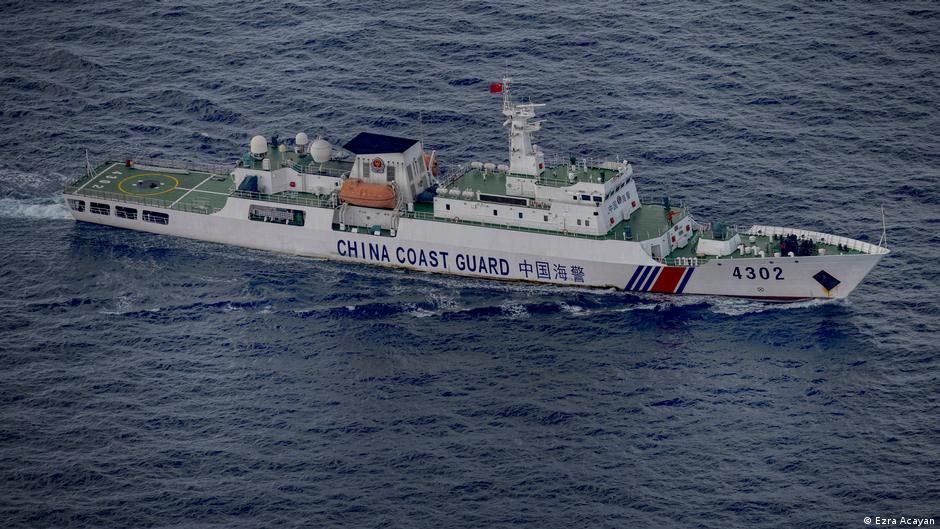
South China Sea Tensions Escalate: Chinese Coast Guard Injures Filipino Fishermen
December 13, 2023 – A recent incident in the South China Sea has reignited tensions between the Philippines and China, raising concerns about maritime safety and international law. On Friday, Chinese Coast Guard vessels used water cannons against Filipino fishing boats near Sabina Shoal, resulting in injuries to three fishermen and significant damage to two vessels. This event underscores the ongoing disputes over sovereignty and resource rights in this vital waterway.
What Happened at Sabina Shoal?
The incident involved approximately 20 Philippine fishing boats operating near sabina Shoal - known as Xianbin Reef by China and Escoda Shoal by the Philippines. According to Philippine authorities, the Chinese Coast Guard employed aggressive tactics:
* Water Cannon Attacks: High-pressure water cannons where directed at the Filipino boats.
* Dangerous Maneuvers: vessels engaged in blocking maneuvers, putting the fishermen at risk.
* Anchor Line Cutting: Anchor lines were deliberately cut, causing further disruption and potential hazard.
Commodore Jay Tarriela, a Philippine Coast Guard spokesman, reported that three fishermen sustained injuries, including bruises and open wounds. Two fishing boats suffered substantial damage from the water cannon blasts.
Initially, Philippine Coast Guard vessels faced “unprofessional and unlawful interferences” attempting to reach the area. However, they successfully provided medical attention to the injured fishermen on Saturday morning.
China’s Response and Contested Claims
The China Coast Guard acknowledged taking “necessary control measures” against the Philippine vessels. Their statement indicated warnings were issued via loudspeaker and maneuvers were used to drive the boats away.
however, this incident highlights the core of the dispute: China’s expansive territorial claims in the south China Sea. Beijing asserts sovereignty over nearly the entire sea, a claim that overlaps with the exclusive economic zones of several neighboring countries, including Brunei, Indonesia, Malaysia, the Philippines, and Vietnam.
This claim, encompassing approximately 150 km (95 miles) west of Palawan province where Sabina Shoal is located, has been widely disputed.
The Legal Landscape & International Ruling
In 2016, an international arbitral tribunal delivered a landmark ruling. It determined that China’s claims had no legal basis under international law, specifically the United Nations Convention on the Law of the Sea (UNCLOS).
Despite this ruling, China has consistently rejected it, continuing to assert its claims and enforce them through actions like the recent incident at Sabina Shoal. This disregard for international law is a major source of regional instability.
Why This Matters to You
The South China Sea isn’t just a distant geopolitical issue. It’s a critical waterway for global trade, with trillions of dollars in commerce passing through its waters annually.Escalating tensions and aggressive actions like these:
* Threaten Maritime Security: Endanger the safety of fishermen and other vessels.
* disrupt Trade Routes: Potentially impact global supply chains.
* Undermine International Law: Set a dangerous precedent for resolving disputes.
* increase regional Instability: Raise the risk of miscalculation and conflict.
The philippine Coast guard has called on the Chinese Coast Guard to adhere to internationally recognized standards of conduct, prioritizing the preservation of life at sea. The situation demands a diplomatic solution based on international law and respect for the rights of all nations in the region.
further Resources:
* DW: Philippines,China trade blame over latest ship collision
* DW: South China Sea conflict
* DW: Hague court finds against China for philippines in South China Sea dispute
*[DW:ChinatoignoreinternationalcourtrulingoverSouthChinaSearights[DW:ChinatoignoreinternationalcourtrulingoverSouthChinaSearights[DW:ChinatoignoreinternationalcourtrulingoverSouthChinaSearights[DW:ChinatoignoreinternationalcourtrulingoverSouthChinaSearights
Keep reading