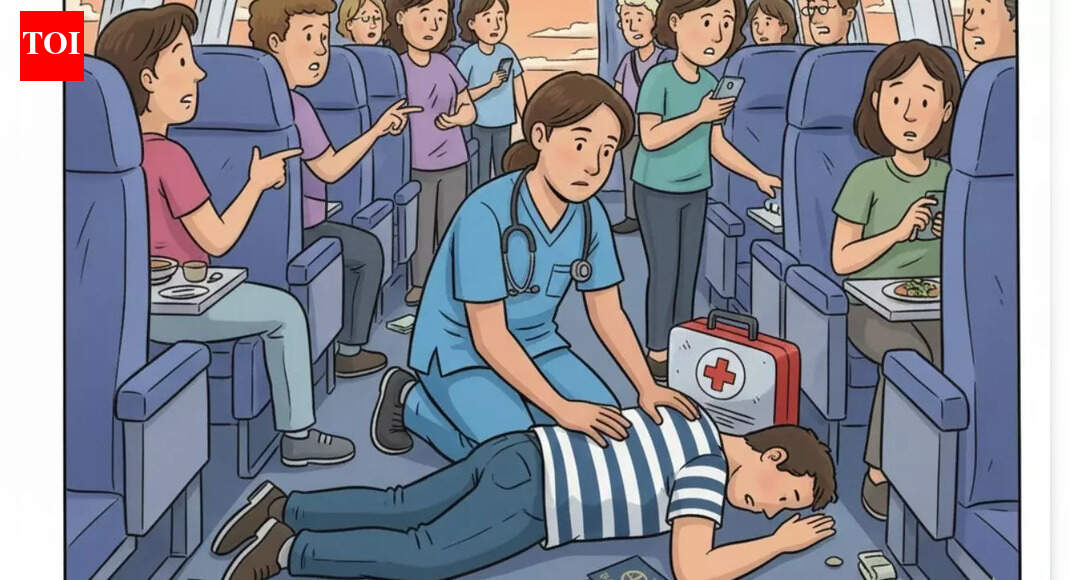
Mid-Air Medical Crisis Averted: How a Doctor’s Speedy Thinking Saved a Life on an IndiGo Flight
A routine flight from Goa to New Delhi became a critical medical emergency this past Saturday,averted only by the swift and decisive action of Dr. Anjali Nimbalkar, a Bengaluru-based physician and former Karnataka MLA. The incident underscores the vital role medical professionals can play even outside of a hospital setting, and highlights the importance of preparedness during air travel.
The Emergency Unfolds
Approximately ten minutes after takeoff, a 34-year-old american passenger, identified as Jenny from California, began experiencing severe discomfort.Symptoms rapidly escalated, leading to a collapse and prompting immediate concern amongst fellow travelers. jenny was traveling with her sister to attend a wedding in Delhi.
Before a formal call for medical assistance could be made, dr. Nimbalkar sprang into action. Recognizing the urgency of the situation, she instantly assessed the patient.
Initial Assessment and Intervention
Dr. Nimbalkar found Jenny unconscious, exhibiting paleness, clenched fists, and signs indicative of a potential seizure. A rapid gathering of medical history from her sister revealed Jenny had been battling a stomach infection the previous day, likely contributing to severe dehydration.
The doctor skillfully initiated basic resuscitative measures, successfully reviving the patient. Crucially, Jenny had brought oral electrolyte solution with her, which dr.Nimbalkar administered to address the dehydration.
A Second Crisis and Priority Landing
Despite initial stabilization, Jenny’s condition deteriorated approximately 30 minutes later. She collapsed again, this time appearing critically ill. the cabin crew immediately alerted the flight captain, who requested a priority landing in New Delhi to ensure prompt medical attention.
The quick thinking of the captain and crew, combined with Dr. Nimbalkar’s continued care, proved vital in ensuring a safe outcome. Upon landing, Jenny was immediately transferred to a hospital for further treatment.
The Importance of Medical Professionals on Flights
This incident serves as a powerful reminder of the potential for medical emergencies during air travel. While airlines are equipped with basic first aid supplies and protocols, the presence of a trained medical professional can be the difference between life and death.
Dr. Nimbalkar’s proactive response exemplifies the dedication and expertise that healthcare providers bring to every situation. Her actions not only saved a life but also provided reassurance to fellow passengers during a stressful event.
What to Do During a Medical Emergency on a Flight
here’s a breakdown of steps to take if you encounter a medical emergency while flying:
* Alert the Cabin Crew Immediately: They are trained to handle emergencies and will initiate the appropriate protocols.
* Identify Medical Professionals: A call for a doctor or nurse will be made over the PA system.
* Provide Data: If you are a medical professional, clearly identify yourself and offer assistance.
* Follow crew Instructions: The cabin crew will guide you and provide necessary resources.
* Stay Calm: Maintaining composure can help create a more effective response.
Evergreen Insights: Medical Preparedness While Traveling
Traveling, while enjoyable, can sometimes exacerbate existing health conditions or expose you to new risks. Here are some essential considerations for medical preparedness:
* Consult Your Doctor: Before traveling, especially internationally, discuss your health status and any necessary vaccinations or medications with your physician.
* Carry a Medical ID: Wear a medical ID bracelet or necklace if you have allergies, chronic conditions, or take regular medication.
* Pack Essential Medications: Bring an adequate supply of any prescription medications you require, along with a copy of your prescription.
* Travel Insurance: invest in extensive travel insurance that covers medical emergencies, including evacuation.
* Know Your Health History: Be prepared to provide details about your medical history, allergies, and current medications if needed.
Frequently Asked Questions (FAQs) About In-Flight medical Emergencies
Q: What happens if there’s a medical emergency on a flight?
A: The cabin crew will be alerted, and they will typically make an announcement requesting if there are any medical professionals on board. They will also contact ground medical support for guidance.
Q: Is an airline required to have a doctor on board?
A: No, airlines are not required to have a doctor on board, but they are prepared to handle medical emergencies with trained crew and basic medical equipment.
Q: What kind of medical emergencies are common on flights?
A: Common in-flight medical issues include fainting, respiratory problems
Related reading