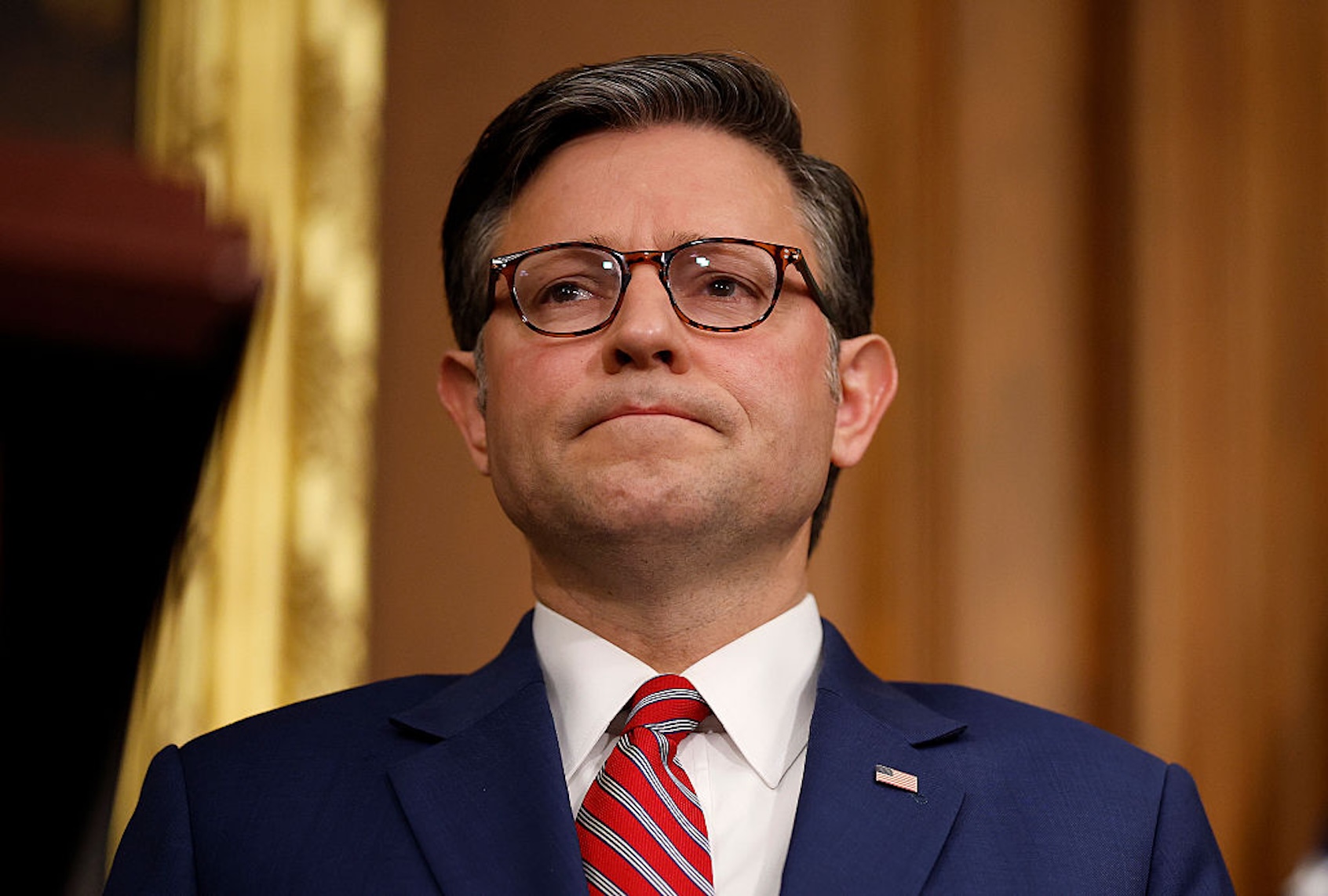
The House GOP‘s Internal Revolt: A Speaker on the Brink
The U.S. House of Representatives is experiencing a level of dysfunction rarely seen in modern political history. Speaker Mike johnson finds himself increasingly isolated,facing open rebellion from within his own party as the 2026 midterm elections loom. This isn’t simply typical political disagreement; it’s a breakdown in traditional power dynamics, and it signals deep trouble for the Republican party.
For decades, tools like discharge petitions - a mechanism to force a vote on legislation a speaker is blocking – were considered a last-ditch effort, almost always failing.Now, they’re succeeding. Members are actively defying Johnson, securing the necessary 218 signatures to bring bills to the floor that he actively opposed. In fact, recent months have seen more triumphant discharge petitions then the previous thirty years combined.
What’s Driving This Unprecedented Discontent?
Several factors are fueling this internal conflict.
* Fractured Ideologies: The Republican caucus is deeply divided, encompassing a wide spectrum of ideologies from staunch conservatives to more moderate members.
* Loss of Trust: Johnson’s leadership has been perceived as weak and indecisive by many within his party.
* Midterm Fears: the growing concern over potential losses in the 2026 midterms is amplifying anxieties and prompting more aggressive tactics.
* The Aftermath of Greene: While Marjorie Taylor Greene is no longer directly targeting the Speaker, the precedent she set of challenging leadership has emboldened others.
How is Johnson Responding?
Frankly, not well. He’s struggling to maintain control, and his attempts to appease different factions within the party have largely failed. This has led to a series of setbacks, including failed rule votes - votes necessary to bring bills to the floor for debate and a vote. These failures effectively paralyze the legislative process.
You might be wondering what this means for you. It means potential gridlock on critical issues, delayed action on pressing national concerns, and a further erosion of public trust in government.
What’s Next for the Speakership?
The situation is precarious. History suggests that, in the current climate, Johnson’s tenure as Speaker may be short-lived. The ousting of a Speaker has become a recurring theme within the GOP, and the conditions are ripe for another such event.
However, a critical question remains: who would even want the job? The Speaker’s role has become increasingly thankless, requiring constant negotiation, compromise, and the ability to manage a deeply fractured caucus. It’s a position that demands immense political skill and resilience,and it’s unclear if anyone within the Republican party possesses those qualities in sufficient measure.
ultimately, the current turmoil in the House reflects a deeper crisis within the Republican party. It’s a party grappling with its identity, its future, and its ability to govern effectively. As you watch these events unfold, remember that the consequences extend far beyond Washington, D.C.,impacting the lives of all Americans.
- Second-Party Audits: Securing Food Industry Supplier Quality
- Former Olympian Demands Access to Closed-Door Testimony in Lincoln Memorial Vandalism Case
- Betsey Johnson Lists Hidden Hills Estate With Stables for $7.5 Million (archyworldys.com)
- Potential Health Risks Loom as Northwest Arkansas Faces Continued Heat Advisory (world-today-news.com)