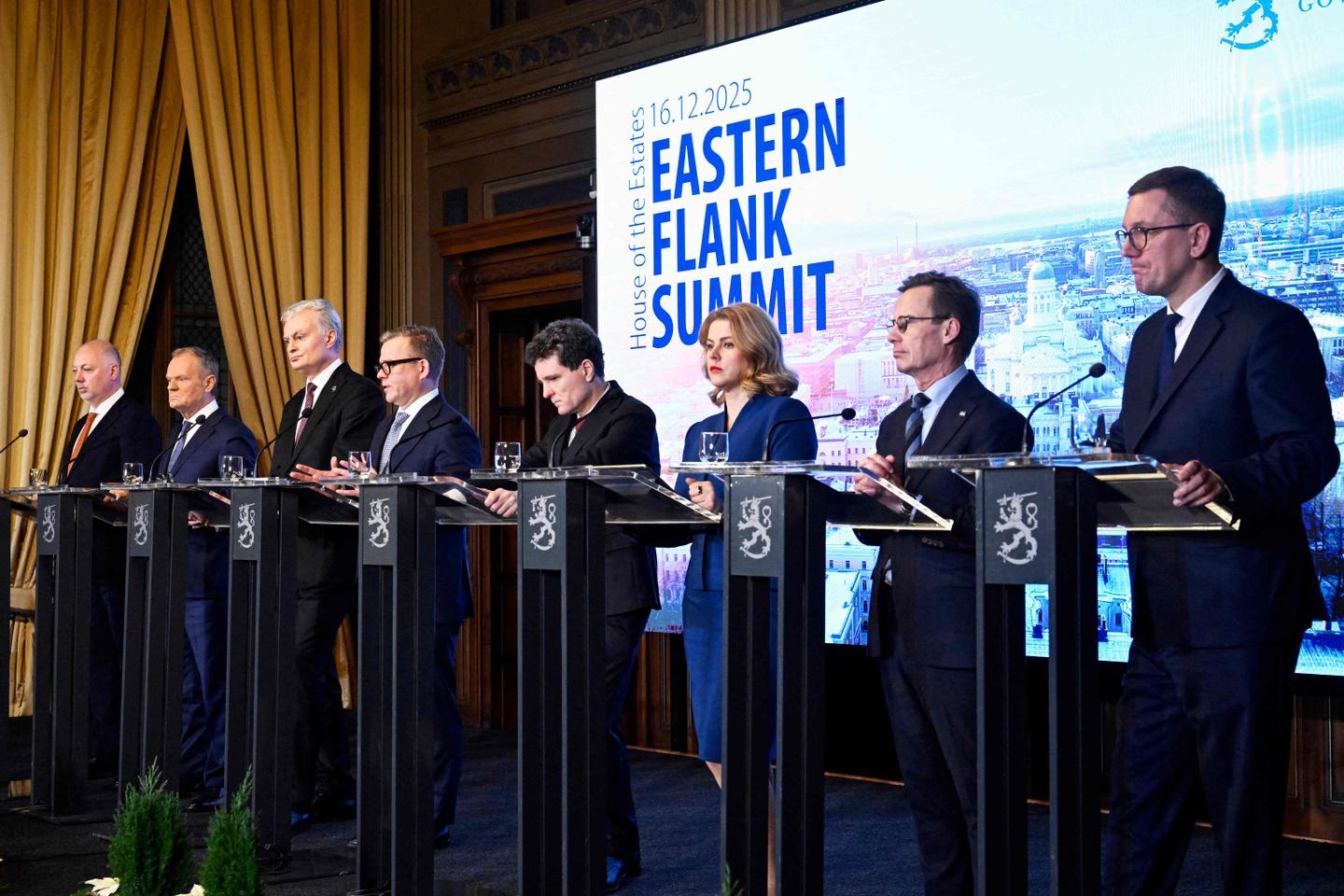
Europe Fortifies Its eastern Shield: A New Call for Collective Defense
Eight European nations bordering Russia and Belarus are urgently calling for a notable shift in the European Union’s defense strategy.These countries – Finland, Sweden, estonia, Latvia, Lithuania, Poland, romania, and Bulgaria – feel increasingly vulnerable and are demanding greater EU financial support to bolster their defenses. This isn’t simply about national security; it’s about the collective security of Europe as a whole.
These nations share a critical geographic reality. They all maintain a maritime or land border with Russia or Belarus. Consequently, they’ve become frequent targets of hybrid warfare tactics orchestrated by these neighbors. Since February 2022,and the full-scale invasion of Ukraine,these countries have already substantially increased their defense spending,averaging 3.3% of their GDP.
However, current efforts are deemed insufficient. At a recent summit in Helsinki, leaders articulated a clear message: defending Europe’s eastern frontier must be recognized as a shared obligation. They believe a unified approach is essential to deter further aggression.
Why This Matters to You
You might be wondering why this regional concern should matter to those further removed geographically. The situation highlights a basic shift in European security dynamics. It underscores the growing need for a proactive,rather than reactive,defense posture. Furthermore, instability on Europe’s eastern flank has ripple effects across the continent, impacting economic stability and possibly triggering wider conflicts.
The Second Line of Defense
lithuanian President Gitanas Nauseda powerfully framed the situation. He stated that while Ukraine represents Europe’s first line of defense against Russia, the eastern flank constitutes the second. Therefore, building a strong deterrent is crucial to prevent Russia from probing the strength of Europe’s resolve.
I’ve found that a clear understanding of the threat landscape is the first step towards effective defense. Russia’s actions in Ukraine have demonstrated a willingness to challenge the existing international order. This necessitates a complete reassessment of European security architecture.
Key Demands & Proposed Solutions
The eight nations aren’t simply asking for money. They are advocating for a fundamental change in how the EU approaches defense. Here’s a breakdown of their key demands:
* Dedicated EU Funding: A substantial increase in EU funding specifically earmarked for strengthening defenses along the eastern border.
* Joint Procurement: Collaborative procurement of military equipment to leverage economies of scale and enhance interoperability.
* Enhanced Infrastructure: Investment in critical infrastructure, including border security systems, interaction networks, and transportation routes.
* Increased Military Mobility: Facilitating the rapid deployment of troops and equipment across the eastern flank.
* cybersecurity Cooperation: Strengthening cooperation on cybersecurity to counter hybrid warfare tactics.
Looking ahead: The Brussels Council & Beyond
This call to action comes just days before the European Council meets in Brussels. The leaders of the eastern flank hope to leverage the momentum from the Helsinki summit to secure concrete commitments from the EU.
The stakes are high. A failure to adequately address the security concerns of these nations could embolden Russia and further destabilize the region. Conversely, a strong and unified response will send a clear message of deterrence and reinforce the principles of collective security.
Ultimately, the future of European security hinges on a shared understanding of the threats and a willingness to invest in a robust and coordinated defense strategy. This isn’t just about protecting borders; it’s about safeguarding the values and freedoms that underpin the European project.
Related reading