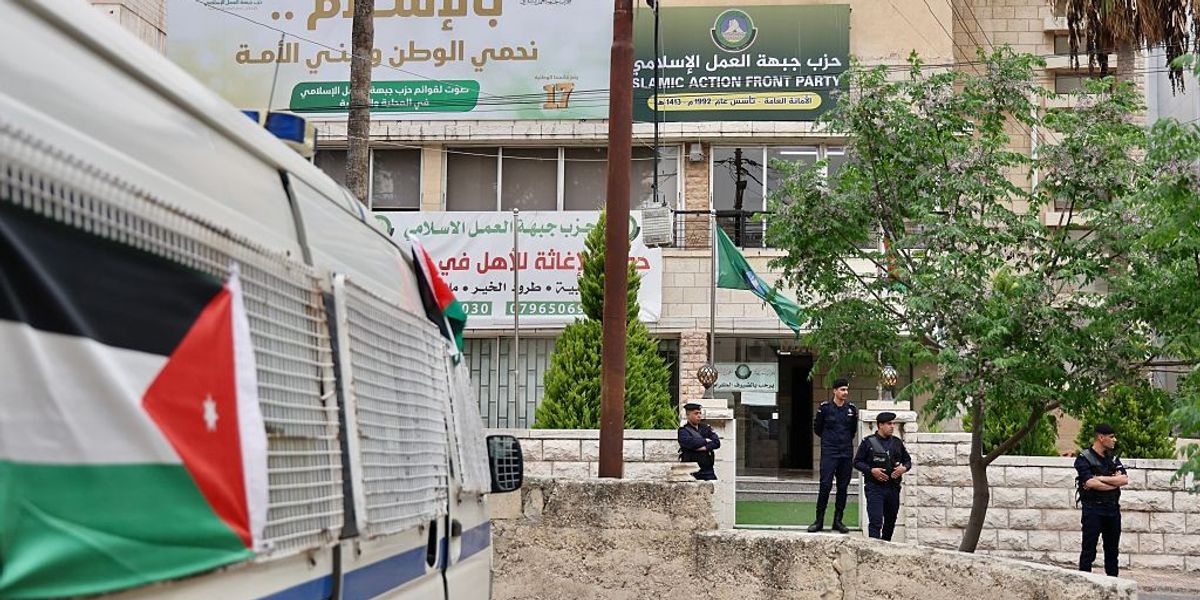
The Thorny Question of Designating the Muslim Brotherhood as a Terrorist Organization
The debate surrounding whether to formally designate the Muslim brotherhood (MB) as a Foreign Terrorist Organization (FTO) is a complex one,fraught with geopolitical considerations and domestic implications. While pressure to do so is mounting, a closer examination reveals why such a move carries significant risks for U.S. national security interests, despite legitimate concerns about the group’s ideology and connections.
As a long-time observer of Middle Eastern politics and counterterrorism strategy, I’ve seen firsthand how these designations can backfire. This isn’t a simple case of black and white.
Why the U.S. Hesitates
Washington’s reluctance stems largely from Qatar’s crucial role as a mediator. Doha maintains vital relationships with Islamist movements, serving as an indispensable partner in hostage negotiations, de-escalation efforts, and navigating regional crises.
* Qatar has consistently denied formal support for the Muslim Brotherhood, despite ongoing investigations revealing continued financial backing and public endorsements from groups like Hamas.
* Disrupting this relationship could severely hamper U.S. access to critical channels for resolving sensitive issues.
Furthermore, a broad FTO designation could have unintended consequences domestically. As one insider predicted, increased legislative action against the Brotherhood and organizations like the Council on American-Islamic Relations (CAIR) could spark significant domestic backlash.
The CAIR Controversy
CAIR, a prominent muslim civil rights and advocacy group, has long faced scrutiny due to the early involvement of some founders with U.S.-based organizations linked to Brotherhood-affiliated networks.
* CAIR was even named as an “unindicted co-conspirator” in the 2007 Holy Land Foundation case, a case involving funding of Hamas.
* Tho, no criminal charges have ever been brought against CAIR, and a direct operational link to the Brotherhood remains unproven.
CAIR vehemently denies any affiliation, and much of the evidence presented remains circumstantial, dated, and hotly contested. It’s crucial to differentiate between historical associations and current operational ties.
Regional Dynamics at Play
The push for designation isn’t solely driven by U.S.concerns. Saudi arabia and the UAE, both of which already classify the Brotherhood as a terrorist organization, are reportedly pleased by the prospect.
* This reflects a broader regional power struggle, with these Gulf states viewing the Brotherhood as a threat to their authoritarian regimes.
* However, aligning U.S. policy solely with these actors risks exacerbating existing tensions and undermining U.S. credibility.
The Risks of a Blanket Designation
Experts warn that a sweeping FTO designation for “the Muslim Brotherhood” is a dangerous oversimplification.
* The Brotherhood isn’t a monolithic entity like Al-Qaeda or ISIS. It’s a decentralized movement with diverse branches and varying levels of radicalization.
* As security expert J.M. Caravajal points out, such a designation could lead to the arbitrary arrest of individuals simply for attending certain mosques.
This is a movement that has demonstrated remarkable resilience, surviving bans, coups, and massacres for nearly a century. A poorly considered designation could inadvertently strengthen extremist narratives and drive the group further underground.
A More Nuanced Approach
The Trump administration’s strategy – focusing on sanctioning specific Brotherhood chapters and working with partners who have already outlawed them – offers a more pragmatic path forward.
* This targeted approach provides clarity for international cooperation and minimizes the risk of unintended consequences.
* It allows the U.S. to address legitimate security concerns without alienating key allies or fueling domestic unrest.
Ultimately, navigating this complex landscape requires a nuanced understanding of the Muslim Brotherhood’s multifaceted nature and a clear-eyed assessment of the potential risks and benefits of any policy decision. A blanket designation, while politically appealing to some, is a blunt instrument that could ultimately undermine U.S. national security interests.
disclaimer: The cipher Brief is committed to publishing a range of perspectives on national security issues submitted by deeply experienced national security professionals. Opinions expressed are those of the author and do not represent the views or opinions of The Cipher Brief.
Have a perspective to share? Send it to [email protected] for publication consideration.
Read more expert-driven national security insights at The Cipher Brief – National Security is everyone’s Business.
Keep reading
- LAFC Defeats Vancouver Whitecaps in MLS Western Conference Clash
- The Strait of Hormuz and the Future of Free Navigation: The Atlantic Brief
- Amsterdam WorldPride Canal Parade Held Under Heavy Security (archyworldys.com)
- Coldcard Wallet Exploit Triggers $89M Bitcoin Theft and Security Warning (archynewsy.com)