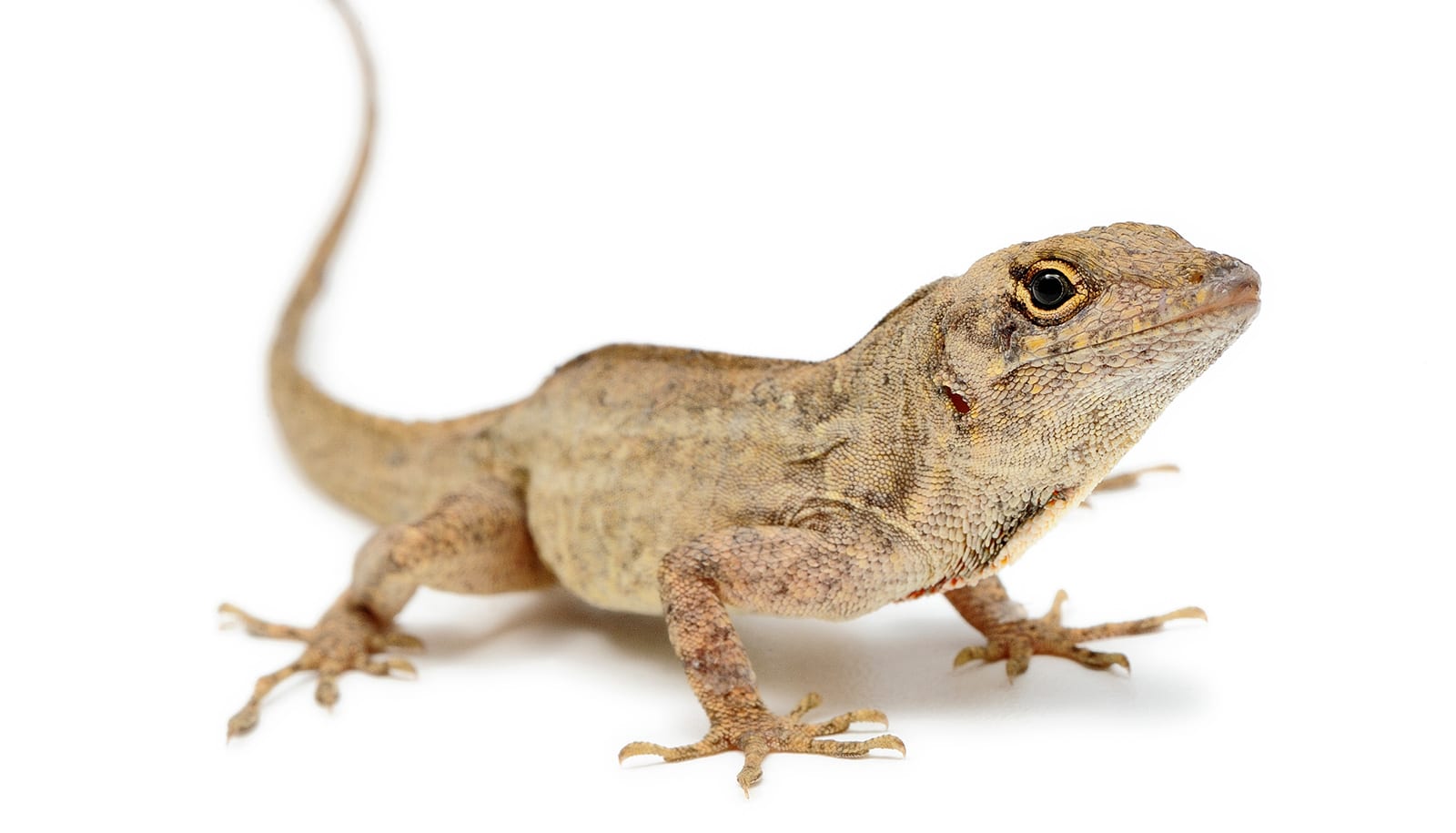
Rising Temperatures Fuel Aggression in Invasive Lizards, Threatening Native Species
As global temperatures climb, the competitive landscape between native and invasive species is shifting. New research from Tulane University reveals a concerning trend: invasive brown anoles are becoming more aggressive towards native green anoles as temperatures rise,possibly tipping the balance in favor of the invaders. This isn’t just an academic curiosity; it has significant implications for the biodiversity of the southeastern United states.
Understanding the Anole Conflict
For years, biologists have been puzzled by the success of brown anoles in displacing green anoles from their preferred habitats. Both species compete for the same resources,but the brown anole consistently gains ground. This new study, published in the Journal of Thermal Biology, points to a key driver: temperature.
Key Findings: Heat & Hostility
Here’s a breakdown of what the research uncovered:
* Brown Anoles are Inherently More Aggressive: Even at cooler temperatures, brown anoles consistently displayed higher levels of aggression compared to their green counterparts.
* Temperature Amplifies the Difference: As temperatures increased to levels predicted with future climate change,the aggression gap widened. While green anoles showed some increase in aggression, it wasn’t enough to match the escalating hostility of the brown anoles.
* Lead Exposure – A Red Herring? Previous Tulane research had identified surprisingly high levels of lead in brown anoles, raising questions about a potential link to their behavior. However, this new study suggests lead isn’t the primary culprit. while the team can’t entirely rule it out,the evidence strongly indicates temperature is the dominant factor.
Why This Matters: The Ecological Impact
You might be wondering, ”Why should I care about a lizard squabble?” The answer lies in the broader ecological consequences.Invasive species are a major threat to biodiversity,causing significant economic and environmental damage. understanding why they’re so successful is crucial for developing effective conservation strategies.
“Invasive species cause a lot of ecological and economic damage,so biologists are really interested in understanding what makes these species so successful,” explains Alex Gunderson,assistant professor of ecology and evolutionary biology at Tulane.
This research highlights a critical,often overlooked,aspect of species interaction: behavioral responses to temperature. As the climate warms, we can expect to see these responses become increasingly vital.
How the Study Was Conducted
Researchers, led by Gunderson and PhD student Julie Rej, meticulously controlled the habitat to isolate the impact of temperature. They placed pairs of brown and green anoles together in enclosures simulating different seasonal temperature ranges. By carefully observing and quantifying their interactions, they were able to determine the relationship between temperature and aggression.
“We don’t yet know whether lead contributes to the brown anoles’ aggressive behavior,” Gunderson notes. “But sence we haven’t seen lead affecting them in other ways, my guess is that it’s probably not the cause. What we can say for certain is that their aggression increases with warmer temperatures.”
What Does the Future Hold?
The implications of this study are clear: climate change could exacerbate the problem of invasive species. As temperatures continue to rise, brown anoles are likely to become even more dominant competitors, further displacing green anoles and potentially disrupting the entire ecosystem.
“Climate change can make invasive species more potent, and this study shows that heat-driven aggression could help explain why in some cases,” Gunderson emphasizes.
Looking Ahead: The Importance of Continued Research
This research, supported by Tulane University and conducted at the Gunderson Lab, adds to a growing body of evidence demonstrating the importance of behavioral ecology in understanding species interactions in a changing world. Further research is needed to fully understand the complex interplay between temperature, behavior, and the success of invasive species.
Resources:
* Original Study: https://doi.org/10.1016/j.jtherbio.2025.104257
* Tulane University News Release: https://news.tulane.edu/pr/study-invasive-lizards-tempers-flare-heat
* Related Tulane Research on Lead: