Reassessing America’s Position: A Look at Recent Shifts in policy and Impact
Recent discussions surrounding the state of the nation have touched upon significant changes in border security, trade, military engagement, and domestic economic policy. This article aims to provide a clear, objective overview of these developments, examining their stated goals and observed effects. We’ll break down key claims and offer context to help you understand the evolving landscape.
Border Security and Immigration
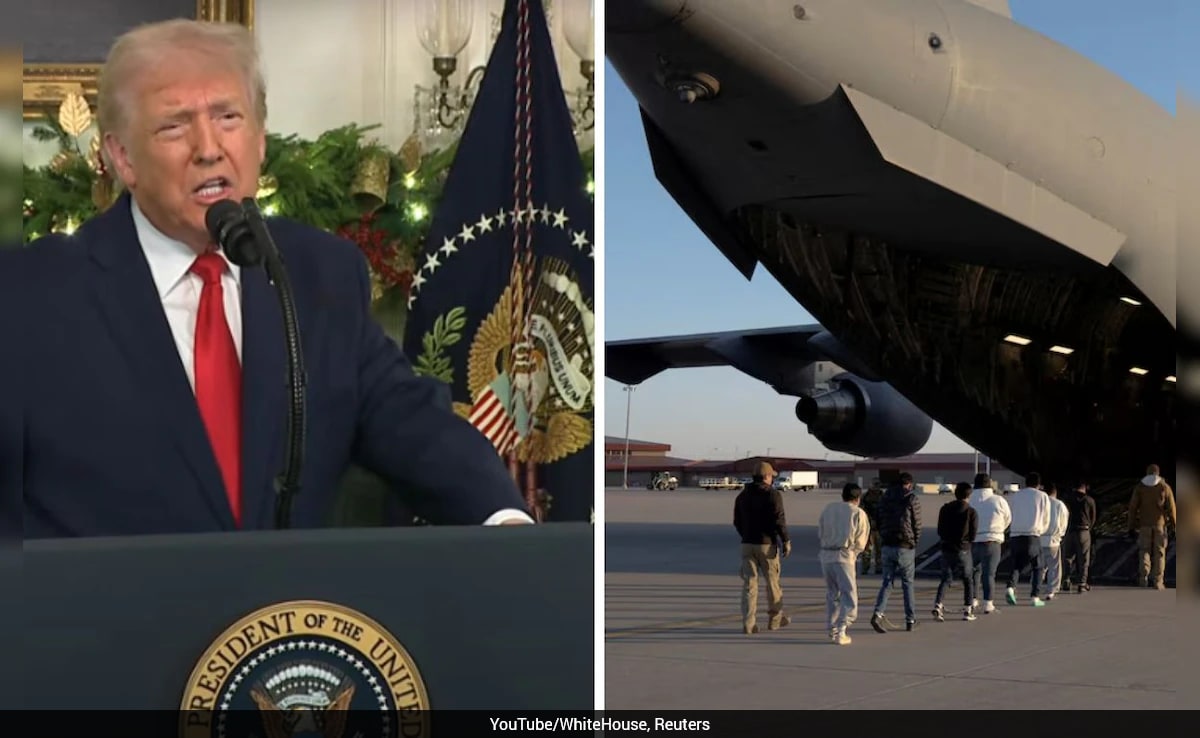
A central theme in recent discourse has been the issue of border security. Claims have been made regarding a large influx of individuals, including those with criminal backgrounds, entering the contry. Specifically, assertions have been made about a surge in crossings during a previous administration, with figures cited regarding individuals released from correctional facilities and those with criminal records.
It’s crucial to note that immigration patterns are complex and influenced by a multitude of factors. While increased border encounters have been documented, attributing them solely to policy changes requires careful analysis. Current administration officials report a significant shift in approach, claiming a halt to unauthorized crossings for seven months. This is achieved through increased enforcement and deportation efforts.
* Key claims: Reduction in illegal immigration to zero for seven months.
* Reported Actions: Increased deportations, focus on border enforcement.
* Context: Immigration trends are influenced by global events, economic conditions, and geopolitical factors.
Trade and Economic Policy
The narrative also highlights a perceived shift in global perception of the United States, moving from ridicule to respect. This is largely attributed to changes in trade policy, particularly the implementation of tariffs. The argument is that previous trade deals were disadvantageous to the U.S., and that tariffs are now incentivizing companies to build and invest domestically.
Tariffs, while potentially protecting domestic industries, can also lead to higher prices for consumers and retaliatory measures from other countries. The administration points to a record $18 trillion in investment as evidence of success, linking it directly to tariff policies.
* Key Claims: Improved global standing due to trade policy. $18 trillion in investment driven by tariffs.
* Reported Actions: Implementation of tariffs, incentivizing domestic manufacturing.
* Context: Trade policy is a complex area with potential benefits and drawbacks. Investment figures require careful scrutiny to determine direct causation.
Military and Foreign Policy
Significant claims have been made regarding a restoration of American military strength and a reduction in global conflicts. The administration asserts the successful resolution of eight wars in ten months,the dismantling of the Iran nuclear threat,and the ending of the war in Gaza.
These claims require nuanced understanding. While diplomatic efforts may have contributed to de-escalation in certain regions,characterizing conflicts as “ended” can be subjective. The situation in gaza, for example, remains highly volatile and complex.
* Key Claims: Resolution of eight wars, dismantling of Iran nuclear threat, ending the war in Gaza.
* Reported Actions: Diplomatic initiatives, military posturing.
* Context: International conflicts are multifaceted and rarely have simple resolutions.
Domestic Initiatives: The “Warrior Dividend” and Drug Pricing
A notable domestic policy announcement is the planned distribution of a “warrior dividend” – a $1,776 payment to military service members before Christmas. This is framed as a tribute to the nation’s founding and a recognition of service.
furthermore, the administration claims success in lowering prescription drug prices through direct negotiation with pharmaceutical companies and the use of tariff threats. This is presented as a significant victory for consumers, with potential savings of up to 600% on certain medications.
* Key Claims: $1,776 “warrior dividend” for service members. Significant reduction in prescription drug prices.
* Reported Actions: Direct negotiation with drug companies, use of tariff leverage.
* Context: The impact of these initiatives on overall healthcare costs and accessibility requires ongoing monitoring.
A Broader Outlook
The claims presented paint a picture of significant positive change. Though, it’s crucial to approach these assertions with a critical eye.Self-reliant analysis and data verification are essential to forming a thorough understanding of the current situation.
You deserve accurate information to make informed decisions.This overview provides a starting point for further research and engagement with the evolving narrative surrounding America’s position in the world.
**
Keep reading