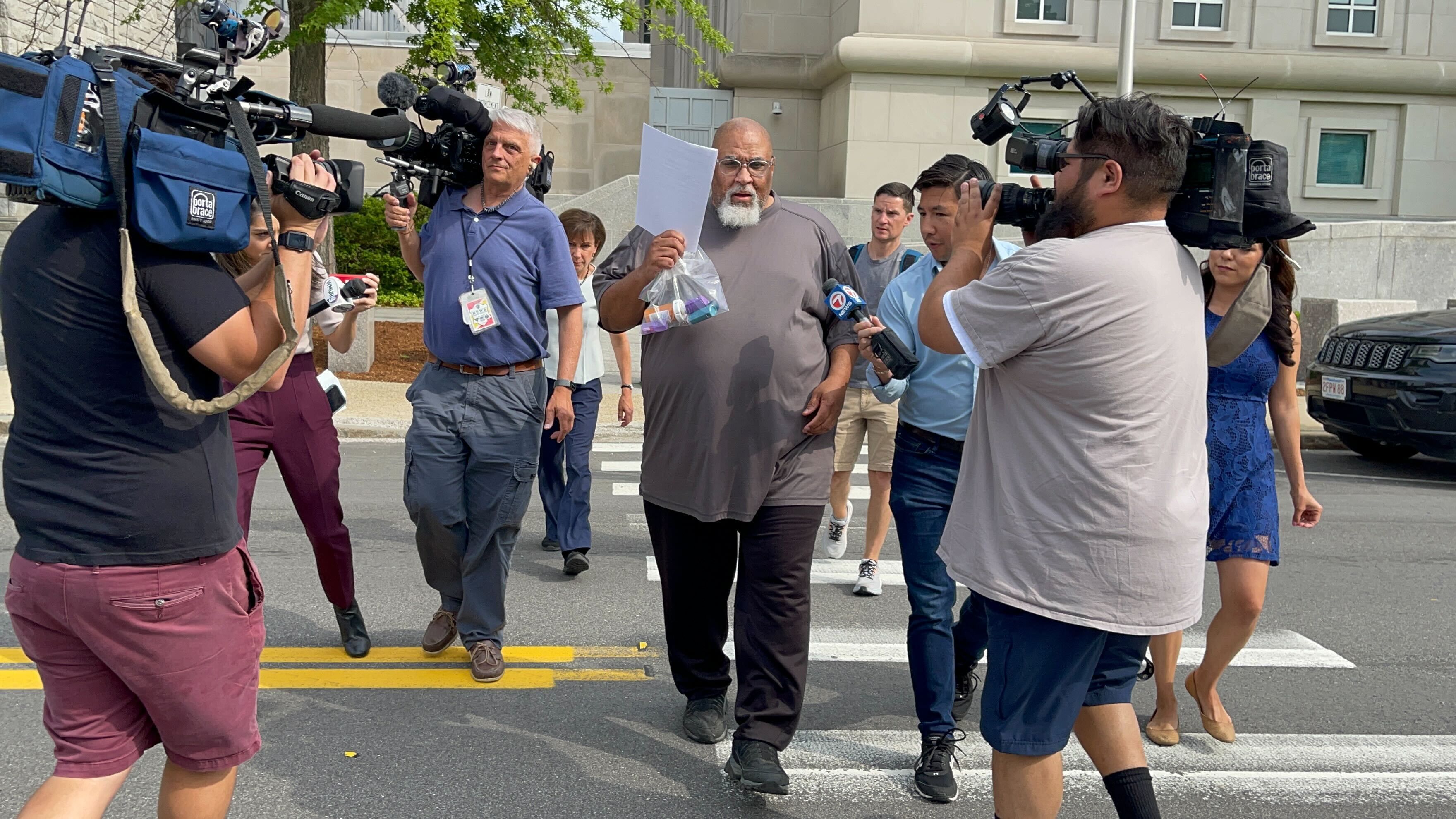
Harvard Morgue Manager Sentenced in Nationwide Body Parts Trafficking Scheme: A Deep Dive
A disturbing case has concluded with the sentencing of Cedric Lodge, a former morgue manager at Harvard Medical School, too eight years in prison. He orchestrated a scheme to steal and sell human remains across state lines, exploiting the generosity of those who donated their bodies to science. This case raises serious questions about oversight, ethical boundaries, and the vulnerability of grieving families.
Here’s a breakdown of what happened, why it matters, and what it means for you:
The Crime Unveiled: A Network of Stolen Remains
Cedric Lodge, 58, pleaded guilty in May to federal charges of conspiracy and interstate transportation of stolen human remains. Prosecutors detailed how, from 2018 through at least March 2020, Lodge systematically stole organs, skin, brains, and even dissected heads from cadavers donated to Harvard Medical School.He acted without any authorization from Harvard,the donors,or their families.
* The stolen remains were transported to Lodge’s home in Goffstown, New hampshire.
* From there, he and his wife, Denise Lodge, shipped the body parts to buyers in multiple states - Massachusetts, New Hampshire, and Pennsylvania.
* The Department of Justice confirmed several other individuals have also pleaded guilty in connection with this disturbing network.
The Lodges’ Role & Sentencing
Denise Lodge, 65, was also held accountable for her involvement, receiving a sentence of 12 years and one day in prison. She actively participated in the scheme, assisting in the packaging and shipping of the stolen remains.
The financial gain was significant. Prosecutors revealed Lodge received tens of thousands of dollars for the body parts, with chilling notations on some transactions – including a $1,000 payment for “head number 7” and a mere $200 for an order simply labeled “braiiiiiins.” This demonstrates a callous disregard for the dignity of the deceased and the pain of their loved ones.
What Harvard Medical School is saying
Harvard Medical School released a statement expressing their outrage and acknowledging the profound harm caused by Lodge’s actions.They emphasized that his conduct was “abhorrent and inconsistent with the standards and values” expected by the institution, anatomical donors, and their families. This incident has undoubtedly shaken the trust placed in the school’s anatomical gift program.
The broader Implications: Protecting Vulnerable Remains
This case isn’t just about one individual’s criminal activity. It highlights a critical vulnerability in the system for handling donated bodies. Christopher Nielsen, Inspector in Charge of the Philadelphia Division of the Postal Inspection Service, underscored the dangers, stating the trafficking of stolen remains “victimizes already grieving families while also creating a potentially hazardous situation.”
* For families who donate bodies to science: You entrust institutions with the utmost respect for your loved ones. This case underscores the need for increased clarity and accountability in anatomical donation programs.
* For the public: This incident raises ethical concerns about the commercialization of human remains and the potential for exploitation.
Beyond the Sentencing: Ongoing Legal Battles
This sentencing doesn’t mark the end of the legal fallout. Harvard Medical School is currently facing a separate lawsuit related to the stolen body parts. This lawsuit alleges negligence and seeks to hold the institution accountable for failing to protect the donated remains. You can read more about that here: Harvard Medical faces another lawsuit over stolen body parts
What’s Next? Strengthening Oversight & Restoring Trust
the Lodge’s sentencing sends a clear message that the theft and trafficking of human remains will not be tolerated. However, it also serves as a wake-up call. Moving forward, institutions handling anatomical gifts must prioritize:
* enhanced security measures: Protecting remains from unauthorized access is paramount.
* Rigorous tracking systems: Implementing systems to track the location and handling of all donated remains.
* Increased transparency: Providing donors and their families with clear facts about how their gifts will be used and protected.
* Self-reliant oversight: Establishing independent oversight mechanisms to ensure accountability and ethical practices.
This case is a stark reminder of the importance of respecting the dignity of the deceased and upholding the trust placed in institutions responsible
Worth a look