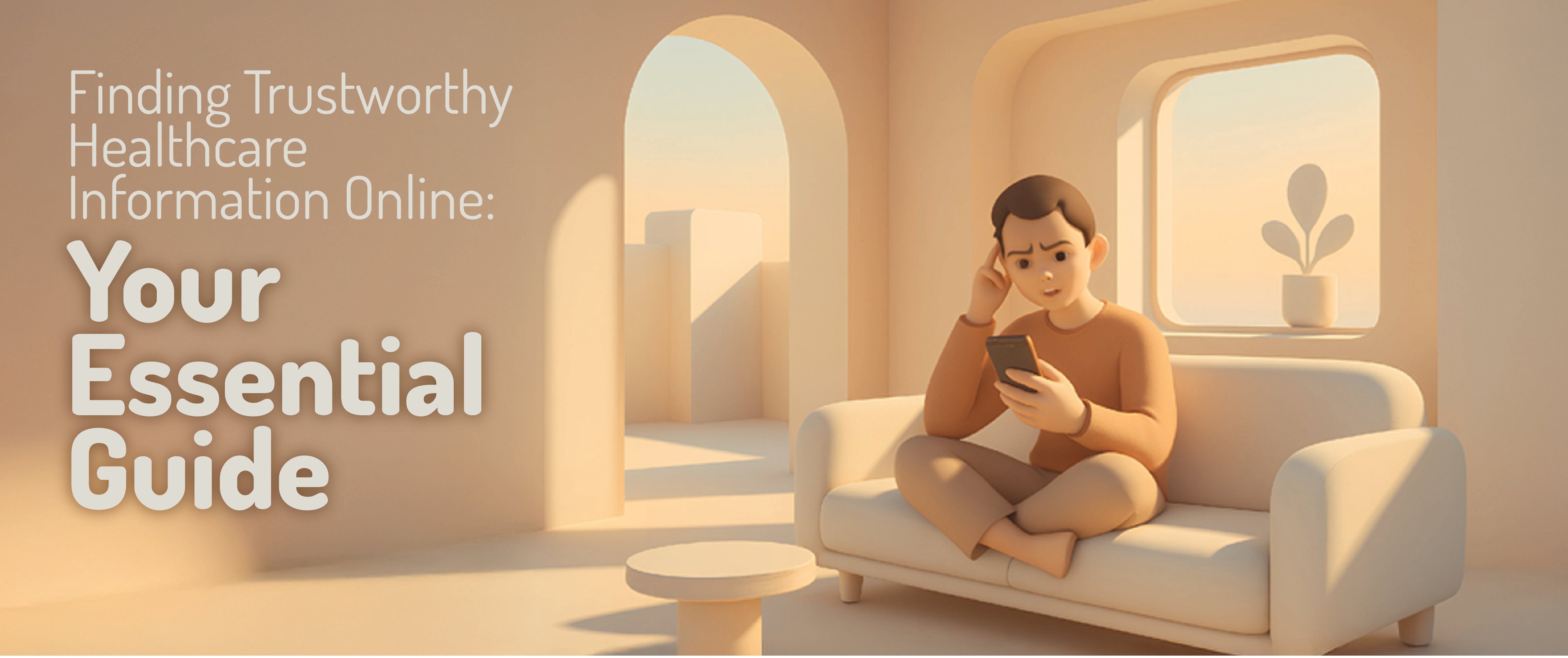
Navigating the World of Online health Information: A Guide to Finding What You Can Trust
The internet offers a wealth of health information,but discerning reliable sources from misinformation can be challenging. Your health deserves accurate, trustworthy guidance, and knowing where to look is the first step. This guide will equip you with the skills to confidently find the information you need to make informed decisions about your wellbeing.
why Reliable Sources Matter
It’s easy to get lost in a sea of opinions online. However, your health is too crucial to risk on unverified claims. Seeking information from established, independent medical institutions is crucial for accurate and safe guidance.
Where to Find Trustworthy Health Information
Several key resources consistently provide evidence-based, reliable health information. Consider these options when researching health topics:
* Academic Medical Centers: These institutions are at the forefront of medical research and patient care.They often have dedicated websites with information reviewed by leading experts.
* Medical Libraries and Databases: Resources like PubMed and the National Library of Medicine offer access to peer-reviewed research articles and comprehensive medical information.
* Professional Medical Organizations: Societies representing specialists in various fields (e.g., american Heart Association, American Cancer Society) provide expert-backed information on their respective areas.
* Independent Patient advocacy Organizations: These groups can offer support and information, but it’s vital to verify their funding and ensure they are evidence-based, with medical advisory boards guiding their content.
Red Flags: What to Watch Out For
Not all online health information is created equal. Be cautious of these warning signs:
* Industry Funding: Information heavily influenced by pharmaceutical companies or other commercial interests might potentially be biased.
* Lack of Credentials: Ensure authors are qualified healthcare professionals with appropriate expertise.
* Absence of Evidence: Look for information backed by peer-reviewed scientific studies.
* Overly Optimistic Claims: Be wary of promises of “miracle cures” or treatments that sound too good to be true.
* Ignoring Uncertainty: Reliable sources acknowledge the complexities of medicine and the limitations of current knowledge.
* Lack of Transparency: Funding sources and potential conflicts of interest should be clearly disclosed.
The Power of Consensus
When researching a health topic, don’t rely on a single source. Look for consensus across multiple independent sources. If leading academic medical centers,international health bodies,and professional medical societies all reach similar conclusions,you can be more confident in that information.
Remember: Online Information is Not a Substitute for Medical Care
The internet is a powerful tool for education,but it should never replace the advice of a qualified healthcare provider. Use online resources to become informed, but always discuss your health concerns with your doctor.A good doctor will welcome your informed questions and work with you to develop a personalized care plan.
Developing Your Critical Evaluation Skills
Becoming a savvy consumer of health information requires practise. Here are some key skills to cultivate:
* Question the Source: Who created the information,and what are their credentials?
* Check the Date: Is the information current and up-to-date?
* Look for Evidence: Is the information supported by scientific research?
* Consider the Tone: Is the information presented objectively,or is it sensationalized?
* Cross-Reference: Compare information from multiple sources.
By developing these skills and prioritizing independent, evidence-based resources, you can confidently navigate the world of online health information and make informed decisions about your wellbeing.
Keep reading