
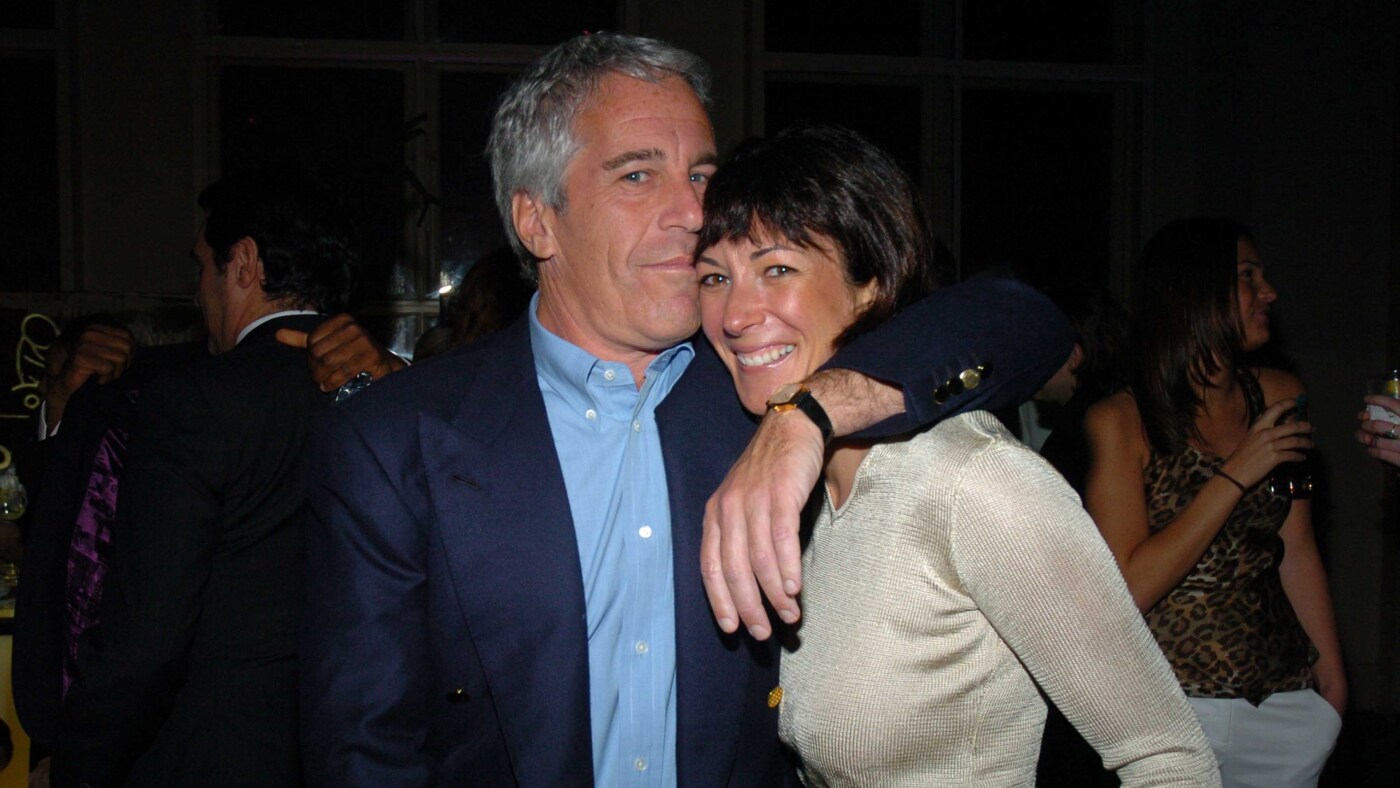
Epstein Files Reveal Deep Entanglement of Political and Financial Elites, Sparking Scrutiny and Resignations
The recent release of a new trove of Jeffrey Epstein’s emails and messages has sent ripples through the political and financial worlds, exposing a network of connections among prominent figures and raising serious questions about judgment and potential influence. Beyond the horrific details of Epstein’s crimes, these documents reveal a pattern of interaction with individuals who held – and in some cases, continue to hold – positions of significant power. This isn’t simply a revisiting of a scandal; it’s a stark illustration of how easily elites can become entangled with individuals of questionable character, and the consequences that follow.
A Web of Connections: Democrats, Republicans, and the Pursuit of Power
The newly released materials demonstrate Epstein wasn’t simply seeking social access; he actively cultivated relationships with influential individuals, offering advice and attempting to position himself as a key player in political maneuvering. His correspondence with Steve Bannon, former strategist to Donald Trump, highlights Epstein’s ambition to shape far-right political movements in Europe. “If you are going to play here, you’ll have to spend time…Europe can be a wife not a mistress,” Epstein wrote in 2018, underscoring the need for sustained, personal engagement.
But the connections weren’t limited to one side of the political spectrum. Former Harvard President and Treasury Secretary Larry Summers is facing intense scrutiny following revelations of numerous personal conversations with Epstein. These included requests for romantic advice and, disturbingly, dismissive remarks about women’s intelligence. Summers’ documented interactions prompted a swift response: he resigned from the board of OpenAI and stepped down from his teaching position at Harvard as the university launched an internal inquiry. This demonstrates a clear accountability response to the revelations.
Similarly, Kathryn Ruemmler, former White House Counsel under President Obama and current Chief Legal Officer for Goldman Sachs, engaged in messaging with Epstein both before and during the Trump governance. While she has expressed regret for knowing Epstein, her communication adds another layer to the complex network of individuals who interacted with the disgraced financier.
Trump: A Frequent Topic and Target of Epstein’s Ambitions
Donald Trump’s name appears repeatedly throughout the released files - over a thousand mentions – primarily as the subject of Epstein’s attempts to influence the political landscape. Epstein saw himself as a “whisperer” to Trump, leveraging his connections to gain influence.
Emails reveal a cynical discussion between Epstein and author Michael Wolff about managing potential negative publicity surrounding their association. Wolff even suggested allowing Trump to “hang himself” by denying their connection, potentially turning the situation to Epstein’s advantage.
More troubling are allegations directly implicating Trump. An email from 2011 to Ghislaine Maxwell claims Trump spent “hours at my house” with one of Epstein’s alleged victims. Another 2019 message suggests Trump was aware of the alleged trafficking, with Epstein claiming Trump asked Maxwell to “stop.” Epstein himself expressed scathing disdain for Trump in a 2017 email to Summers, stating, ”Not one decent cell in his body.”
Trump has consistently denied any significant connection to Epstein, dismissing a lewd drawing and signature appearing in a birthday book as “fake.” He has also offered a shifting narrative, recently claiming a falling out occurred because Epstein poached employees from his Mar-a-Lago spa.
What This Means: A Crisis of Trust and the Need for Clarity
The Epstein files aren’t just about past crimes; they’re about the judgment of those who associated with a convicted sex offender and the potential for those relationships to have influenced their decisions. The fallout from these revelations – Summers’ resignations, the ongoing scrutiny of other figures – underscores the gravity of the situation.
This situation demands a renewed focus on transparency and ethical conduct for individuals in positions of power. It highlights the importance of carefully vetting associations and recognizing the potential consequences of even seemingly innocuous interactions with individuals of questionable character. The ongoing investigations and public scrutiny are crucial steps toward restoring trust and ensuring accountability.
Key Takeaways:
* Broad Network: Epstein cultivated relationships across the political spectrum, from Democrats like Larry Summers and Kathryn Ruemmler to Republicans like Steve Bannon and, most prominently, Donald Trump.
* Influence Peddling: Epstein actively sought to influence political events, particularly the rise of far-right movements in Europe and the Trump presidency.
* Ethical Concerns: The revelations raise serious questions about the judgment of prominent figures who interacted with Epstein.
* Accountability: The fallout


