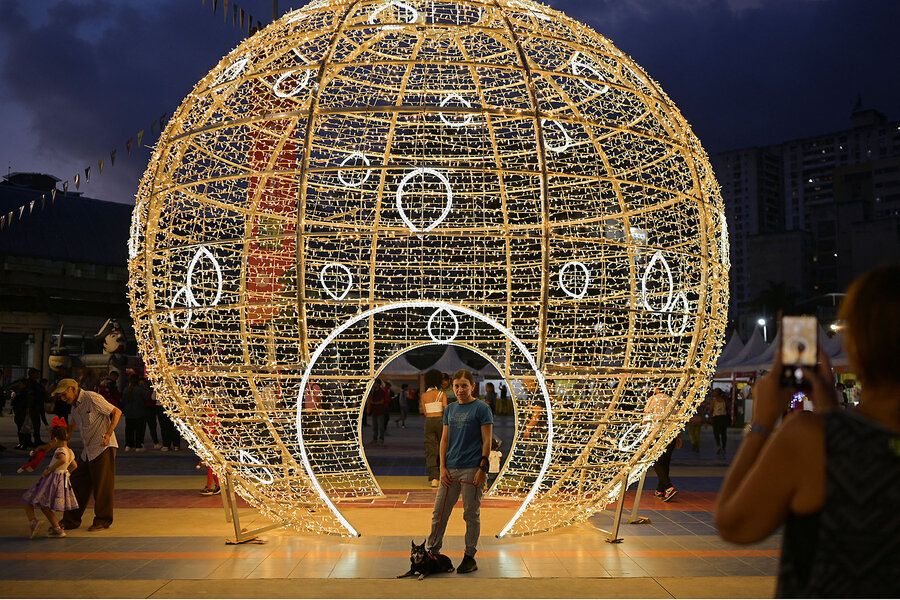
Venezuela‘s Unconventional Christmas: A Distraction from Crisis?
Venezuela is experiencing an unusual phenomenon this year: a government-mandated early Christmas. President Nicolás Maduro decreed the start of holiday festivities in October, complete with decorations, music, and even required workplace celebrations. But is this festive push a genuine attempt to spread cheer, or a calculated maneuver to distract from the nation’s deep-seated problems?
As a political analyst specializing in Latin American affairs, I’ve observed similar tactics employed by authoritarian regimes throughout history. This situation in Venezuela appears to be a prime example of leveraging cultural events for political control.
The Premise of Premature Festivities
The government’s directive extends beyond simply encouraging early decorating. Reports indicate public sector employees were compelled to purchase holiday merchandise – a significant financial burden in Venezuela’s struggling economy – and dedicate work hours to Christmas-themed activities.
This isn’t about fostering holiday spirit; it’s about demonstrating control. Individuals fear repercussions for non-compliance, highlighting the coercive nature of the decree.
A History of Distraction
This strategy isn’t new. Throughout the 1970s, dictatorships in Brazil and Argentina capitalized on national pride surrounding soccer victories to project an image of strength and progress.
According to Kurt Weyland, a political science professor at the University of Texas at Austin, Maduro’s early Christmas push falls into the same category. These are deliberate distractions designed to divert attention from critical issues.
The Underlying Issues
Venezuela is grappling with a multitude of challenges, including:
* Economic Collapse: The country’s GDP has contracted by over 80% between 2013 and 2020, accompanied by hyperinflation that has decimated wages.
* Political Tensions: A potential conflict with the United States looms, adding to the existing instability.
* Humanitarian crisis: Many Venezuelans struggle to afford basic necessities like food and medicine.
Consequently, the early Christmas decree appears to be an attempt to mask these realities. While boosting consumption would be beneficial,most Venezuelans simply lack the financial means to participate.
The Limits of Festive Control
Experts suggest that simply imposing a holiday season isn’t enough to quell discontent. A more effective authoritarian tactic would involve pairing the festivities with tangible benefits,such as food or medical aid.
Dr. Chavez, a researcher specializing in democracy and authoritarianism, notes that the core tools of authoritarianism – constitutional changes, control of Congress, media suppression, and judicial interference – are far more impactful. Christmas alone is unlikely to achieve the desired level of control.
The Venezuelan Spirit
Despite the political pressures, Venezuelans are attempting to maintain a sense of normalcy. They continue to celebrate, find moments of joy, and hope for a better future.
This resilience is embodied in the phrase “viva la pepa,” a Venezuelan expression meaning “whatever happens, happens.” It reflects a pragmatic acceptance of circumstances and a determination to carry on.
Looking Ahead
While the early Christmas decree may offer a temporary distraction, it doesn’t address the essential issues facing Venezuela. Ultimately, lasting solutions require genuine political and economic reforms.
The situation underscores the importance of understanding the tactics employed by authoritarian regimes and the resilience of those living under them. It’s a complex situation demanding careful observation and informed analysis.
Disclaimer: This article provides analysis based on publicly available data and expert opinion as of December 2025. The situation in Venezuela is dynamic and subject to change.
Worth a look