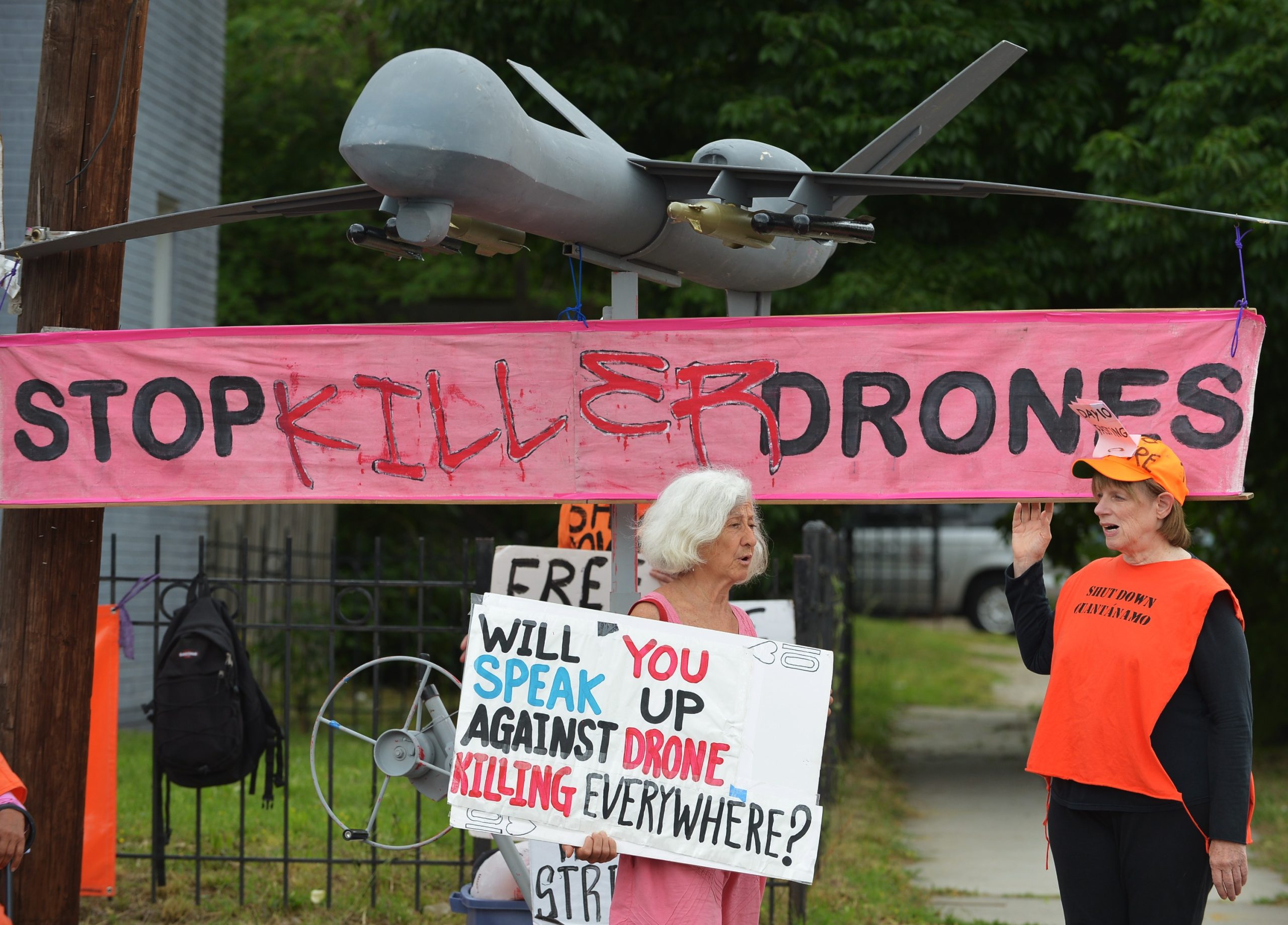
The Erosion of Legal Boundaries: From obama to Trump and the Peril of Extrajudicial Killings
The lines between warfare and peace are becoming dangerously blurred. Increasingly, the use of lethal force extends far beyond conventional battlefields, raising profound questions about legality, morality, and the very foundations of justice. You might be wondering how we arrived at this point, and what it means for your future.
For years, experts have warned that unchecked drone warfare and similar practices would dismantle crucial safeguards. These safeguards separate war from peace, combatants from civilians, and military action from routine law enforcement. The consequences of ignoring these warnings are now becoming starkly apparent.
Recent events demonstrate a troubling continuity,a predictable outcome of policies solidified during the Obama administration. This involved a significant expansion of targeted killings - eliminating individuals outside of declared war zones,often without due process or clear legal justification.
Consider this: once a government decides that adhering to legal procedures when using lethal force is optional, it essentially grants every subsequent administration a “blank check” for potentially unlawful actions. This creates a hazardous precedent,eroding accountability and increasing the risk of abuse.
A History of Expanding Power
Here’s a breakdown of how this shift unfolded:
* Expansion of Targeted Killings: The use of drone strikes and special operations raids expanded dramatically, targeting suspected terrorists in countries were the U.S. wasn’t officially at war.
* secrecy and Lack of Transparency: These operations were often shrouded in secrecy, with limited public oversight or accountability.
* Broad Interpretation of Authority: The legal justification for these killings relied on broad interpretations of executive power and the Authorization for Use of Military Force (AUMF) passed after 9/11.
* Erosion of Due Process: Individuals were killed based on suspicion, without the benefit of a trial or legal representation.
This approach wasn’t simply a matter of policy; it fundamentally altered the relationship between the government and its citizens,and between the U.S.and the rest of the world. It established a precedent where the executive branch could unilaterally decide who lives and dies, without meaningful checks and balances.
The Implications for You
What does this mean for you, the average citizen? It means a gradual chipping away at essential rights and legal protections. It means a world where the rule of law is increasingly subject to political expediency.
The potential consequences are far-reaching:
* Increased Risk of Civilian Casualties: Without robust oversight, the risk of mistakenly targeting innocent civilians increases.
* Fueling Anti-American Sentiment: extrajudicial killings can exacerbate resentment and fuel radicalization, creating more enemies than they eliminate.
* Undermining International Law: These practices undermine the international legal framework designed to protect human rights and prevent atrocities.
* Domestic Implications: The same legal justifications used for killings abroad could potentially be applied domestically, blurring the lines between law enforcement and military action within your own country.
It’s crucial to understand that this isn’t about supporting or opposing specific policies. It’s about safeguarding the principles of justice, accountability, and the rule of law. It’s about ensuring that the power to take a human life is never exercised lightly or without due process.
The path forward requires a renewed commitment to transparency, accountability, and respect for international law. It demands a robust public debate about the limits of executive power and the ethical implications of modern warfare. Your voice and your engagement are essential to shaping a future where justice prevails.
Worth a look