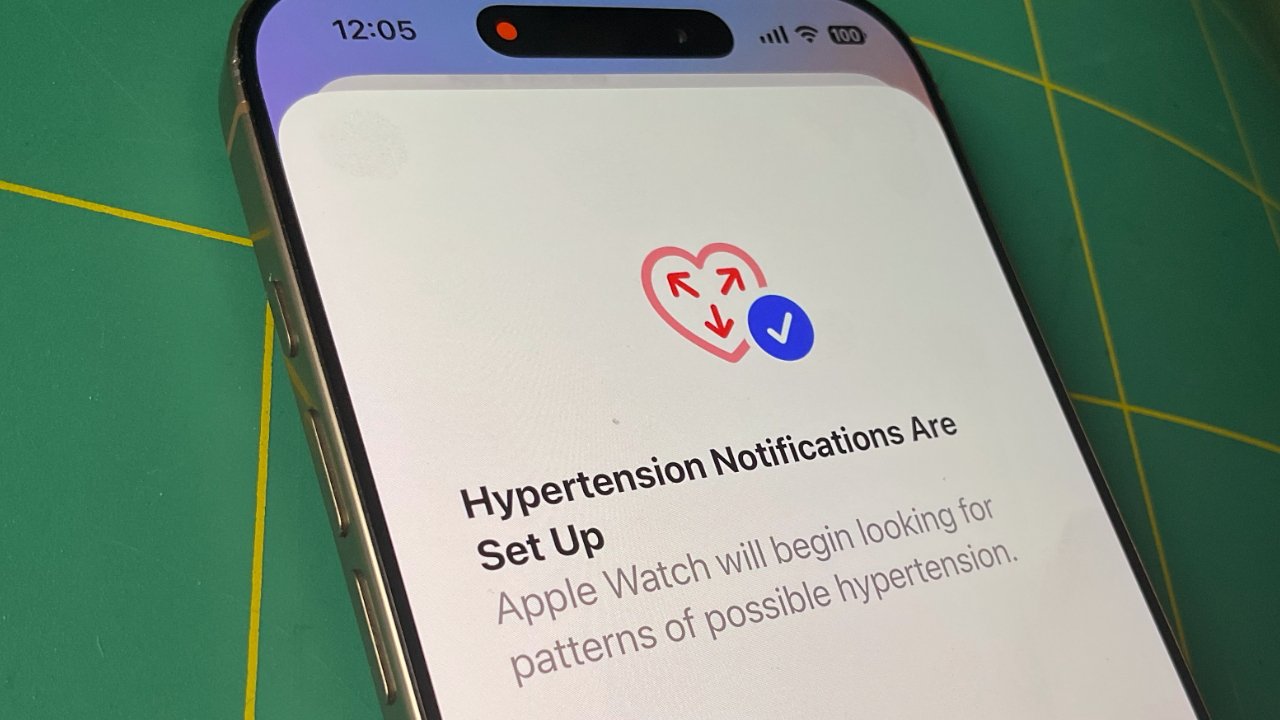
Apple Watch Hypertension Detection: A Comprehensive Guide to Early Detection and Management
The landscape of preventative healthcare is undergoing a quiet revolution,driven by the increasing sophistication of wearable technology. At the forefront of this change is Apple’s hypertension detection feature for the Apple Watch, now gaining regulatory approval in key markets like Australia. This isn’t simply about adding another function to a smartwatch; it’s about empowering individuals with accessible, proactive health monitoring.This article delves into the intricacies of this technology, exploring it’s functionality, the science behind it, its implications for public health, and what users need to know. We’ll cover everything from how the feature works to its limitations and future potential, providing a definitive resource for anyone interested in leveraging wearable tech for cardiovascular health.
Did You Know? Hypertension,frequently enough called the “silent killer,” affects an estimated 1.28 billion adults worldwide (WHO, 2024). Early detection is crucial for preventing serious complications like heart disease and stroke.
Understanding Hypertension and the Role of Wearable Technology
Hypertension, or high blood pressure, is a notable global health concern. Often asymptomatic in its early stages, it frequently goes undetected until it manifests as a more serious cardiovascular event. conventional blood pressure monitoring requires regular visits to a healthcare professional, which can be inconvenient and costly.
Wearable technology, specifically devices like the Apple Watch, offers a potential solution by enabling continuous, passive monitoring. The Apple Watch doesn’t measure blood pressure in the traditional sense (like a cuff). Instead, it utilizes its existing heart rate sensor and advanced algorithms to identify patterns indicative of potential hypertension. This is achieved thru photoplethysmography (PPG), a non-invasive optical technique that measures blood volume changes in the wrist.
Pro Tip: While the Apple Watch can provide valuable insights, it’s not a substitute for regular check-ups with your doctor. Consider it an early warning system, not a diagnostic tool.
How Apple Watch Hypertension Detection Works: A Technical Deep Dive
the Apple Watch hypertension feature leverages a elegant combination of hardware and software. Here’s a breakdown of the key components:
* PPG Sensor: The green LED lights and photodiodes in the Apple Watch’s heart rate sensor emit light into the wrist and measure the amount reflected back. Changes in blood volume, caused by each heartbeat, affect the amount of light reflected.
* Algorithm Growth: Apple collaborated with researchers and cardiologists to develop algorithms that analyze PPG data for subtle indicators of hypertension. These algorithms are trained on vast datasets to improve accuracy and minimize false positives. The initial research, published in Nature Cardiovascular Research (2024), demonstrated promising results in identifying individuals with undiagnosed hypertension.
* Data Analysis & Notifications: The Apple Watch continuously analyzes PPG data in the background. If the algorithm detects patterns suggestive of hypertension, the user receives a notification on their paired iPhone.This notification encourages them to consult with a healthcare professional for a formal diagnosis.
* iPhone Integration: Crucially, hypertension alerts are initiated on the iPhone, not directly on the Apple Watch. This ensures that users receive a more prominent and informative notification, prompting them to take action. The Health app on the iPhone stores the data and provides a historical view of potential hypertension alerts.
LSI Keywords: blood pressure monitoring, PPG sensor, cardiovascular health, wearable health tech, heart rate variability, digital health, preventative medicine.
Regulatory approval and Global Rollout: A Timeline
The path to widespread availability of the Apple Watch hypertension feature has involved navigating complex regulatory landscapes. Medical devices, even those integrated into consumer electronics, are subject to rigorous scrutiny to ensure safety and efficacy.
* September 2023: Apple initially announced the hypertension detection feature, outlining its potential to notify up to 100 million people about potential hypertension.
* Ongoing 2024: The feature began a phased rollout, contingent upon regulatory approval in individual countries. This process involves submitting clinical data and demonstrating compliance with local medical device regulations.
* December 2024: Australia’s Therapeutic Goods management (TGA) granted approval, marking a significant milestone in the global rollout.
* Future Outlook: Apple is actively seeking regulatory approval in other key markets, including the United States (FDA clearance) and Europe (CE marking
Worth a look