The Erosion of Faith adn Governance: Why Politicized Religion Must Be Accountable in Uganda
The recent surge in overt political activism from the pulpit in Uganda is not merely a matter of free speech; it represents a perilous erosion of both religious integrity and the foundations of good governance. while religious leaders have a vital role to play in moral critique and holding power accountable, the transformation of sacred spaces into partisan campaign platforms poses a significant threat to national stability and the very faith they claim to represent. This necessitates a firm, yet carefully considered, response from the state, grounded in the principles of justice and the preservation of both religious freedom and national security.
The Unique Power & Responsibility of Religious Authority
Unlike ordinary citizens, religious leaders in Uganda wield immense influence. Their words aren’t simply opinions; they carry spiritual weight, frequently enough perceived as divinely inspired by their congregations. This unique position demands a heightened sense of responsibility. When clerics exploit this trust to advance partisan agendas, they wield a disproportionate power capable of destabilizing society. This isn’t about silencing dissent; itS about recognizing the potential for manipulation and the inherent vulnerability of those seeking spiritual guidance. My experience as Deputy Resident City Commissioner for Nakawa Division has shown me firsthand how easily emotionally charged rhetoric, delivered from a position of religious authority, can incite unrest and undermine public order.
The Peril of Politicizing the Pulpit
The core issue isn’t opposition to religious critique of societal ills - indeed, such critique is essential for a healthy democracy. The problem arises when the pulpit is transformed into a tool for partisan campaigning, or worse, a platform for inciting rebellion against the government. This blurring of lines between spiritual guidance and political activism has several damaging consequences:
* undermines Institutional Credibility: When religious institutions are perceived as aligned with specific political factions,they lose their moral authority and ability to serve as neutral arbiters of truth and justice. This damages the credibility of the institution itself and erodes public trust in religion as a whole.
* Weakens the Rule of Law: Allowing religious leaders to engage in inflammatory rhetoric and even incite unlawful behavior with impunity creates a dangerous precedent. It suggests that certain individuals are above the law, undermining the principle of equal justice under the law and encouraging defiance of state authority.
* Sows Division & Fuels Conflict: politicized religion exacerbates existing societal divisions, pitting communities against each other based on political affiliation rather than shared faith.This can lead to increased social unrest and even violence.
* Distorts spiritual Focus: The primary mission of religious leaders is to guide souls and foster spiritual growth.when they become preoccupied with political maneuvering, they betray their calling and mislead their congregations, prioritizing partisan gain over spiritual well-being.
The State’s Role: accountability, Not Persecution
The state has a legitimate responsibility to safeguard both the integrity of religious institutions and the stability of governance. This doesn’t equate to suppressing freedom of worship or silencing moral critique. Instead, it requires drawing a clear line between legitimate spiritual guidance and unacceptable political activism.
Enforcement of existing laws must be impartial, ensuring that clerics who cross that line – engaging in hate speech, inciting violence, or actively campaigning for political candidates from the pulpit – face consequences just like any other citizen. This is not persecution; it is the application of the rule of law, protecting both religion from political exploitation and the nation from religious-fueled instability.
A Call for Self-Regulation Within the Clergy
Ultimately, the onus also lies with the clergy themselves.Religious leaders must recognize that their authority derives from god, not from political parties. They must prioritize their sacred duty to guide souls over the temptation to engage in partisan politics. Self-discipline and a commitment to neutrality are paramount. Religious councils and governing bodies should proactively establish and enforce ethical guidelines for political engagement, ensuring that their members uphold the sanctity of their calling.
Protecting Faith, Preserving Governance
The situation in Uganda demands a nuanced and proactive approach. Allowing politicized religion to flourish unchecked is a recipe for disaster. By holding religious leaders accountable for their actions, the state isn’t suppressing faith; it’s protecting it. It’s preserving the sanctity of religious institutions, safeguarding national security, and upholding the principles of good governance.
The pulpit must remain a holy space, dedicated to worship and spiritual guidance, not a battleground for political agendas. The priesthood must remain sacred, embodying humility, neutrality, and devotion.Only then can Uganda truly preserve the integrity of its religious institutions and protect the unity of its nation.
Do you have a story in your community or an opinion to share with us? Email us at [email protected]
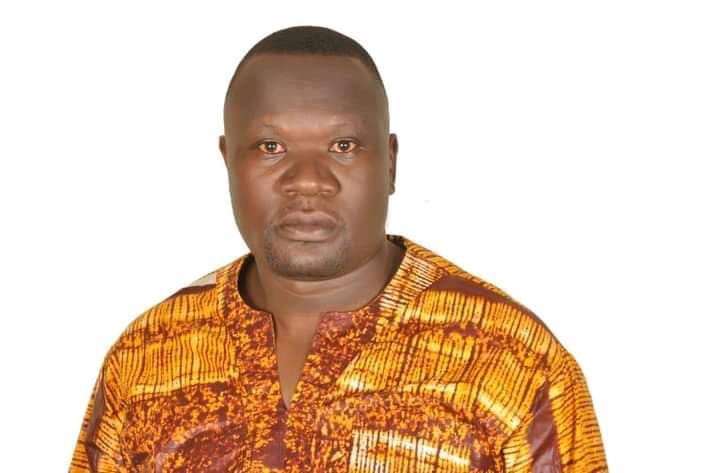
About the author: The writer is the Deputy Resident City Commissioner for Nakawa Division.
E-E-A-T Breakdown:
* Expertise: The author’s position
Related reading