Jake Paul Jaw Fracture: Details, Recovery, and What’s Next for the Boxer
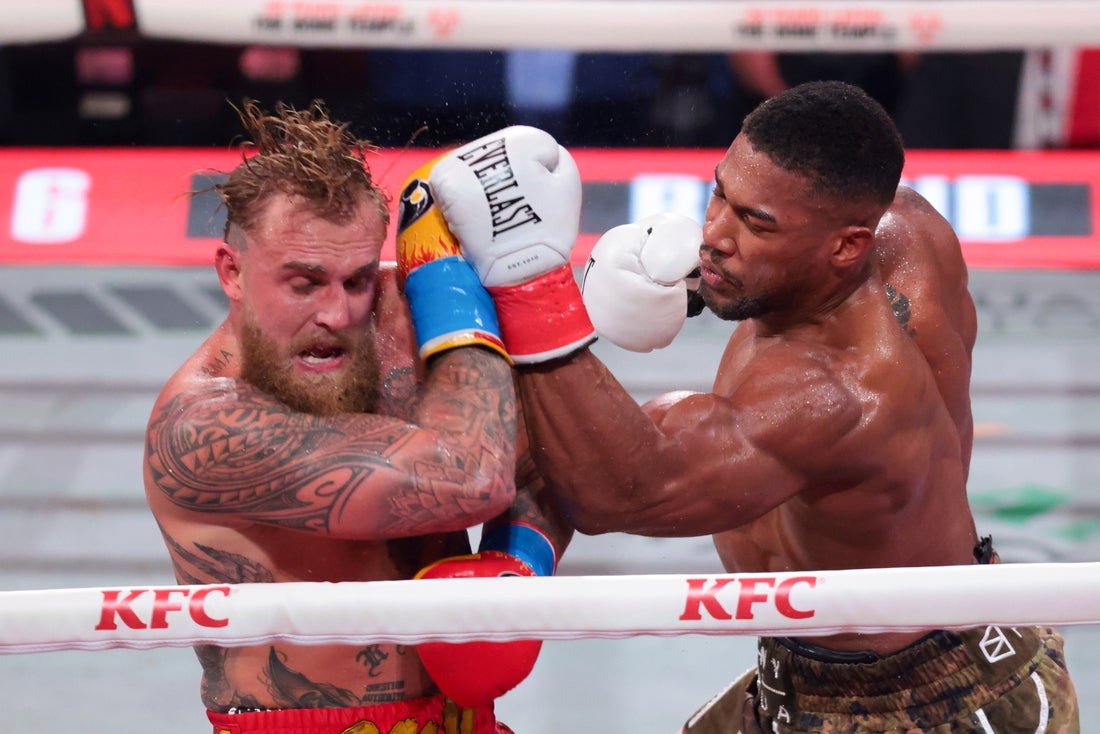
Jake Paul is recovering after sustaining a double fracture to his jaw during his heavyweight boxing match against Anthony Joshua on December 19, 2025, in miami, Florida. The fight, stopped in the sixth round, resulted in a decisive victory for joshua and has sparked considerable discussion about Paul’s future in the sport. This article provides a comprehensive overview of the injury, the surgery, the recovery process, and the potential implications for Paul’s boxing career.
the Fight and the Injury
The bout against Anthony Joshua represented a important step up in competition for Paul, the social media influencer turned professional boxer. Joshua, a former two-time unified heavyweight champion, proved too powerful, knocking Paul down four times before the referee halted the contest.
Paul showcased resilience, attempting to rise each time he was knocked down. Though, the damage was evident. Following the fight,Paul revealed the extent of his injuries via social media,posting an X-ray of his fractured jaw.
Surgical Intervention and Initial Recovery
Paul underwent surgery immediately following the fight at Miami University Hospital. He reported the procedure went smoothly and expressed gratitude to the medical team. Initial recovery will involve a liquid diet for seven days to allow the jaw to heal.
“Lots of pain and stiffness,” Paul shared on social media. He also posted a photo offering two thumbs up,signaling a positive outlook despite the discomfort.
Detailed Fight Statistics
For context, here’s a breakdown of the fight statistics:
* Anthony Joshua: 29 wins (26 by knockout), 4 losses
* Jake Paul: 12 wins (7 by knockout), 2 losses
Joshua’s superior experience and power were clearly demonstrated throughout the match. The repeated knockdowns ultimately led to the fight’s conclusion.
Paul’s post-Fight Remarks and Future Plans
Despite the defeat and serious injury, Paul remained characteristically defiant.In a post on X (formerly Twitter), he jokingly challenged Canelo Álvarez, a renowned super middleweight champion, to a fight in just ten days.
“Double broken jaw. Give me Canelo in 10 days,” he wrote, accompanied by the X-ray of his injury. This statement, while likely hyperbolic, highlights Paul’s unwavering confidence and willingness to take on high-profile opponents.
joshua’s Viewpoint on the Bout
Anthony Joshua displayed respect for Paul’s courage and determination after the fight. He acknowledged Paul’s spirit and heart, praising his willingness to compete against a seasoned heavyweight.
“Jake (did) well while it lasted,” Joshua stated. “He tried his best, and I take my hat off to him.” He also noted that many fighters avoid facing him, and Paul accepted the challenge.
Recovery Timeline and What to Expect
A double jaw fracture is a serious injury requiring a careful and extended recovery period. Here’s a general timeline of what Paul can expect:
* First 7 Days: Strict liquid diet to promote initial healing.
* Weeks 2-6: Gradual reintroduction of soft foods as healing progresses.
* Months 2-3: Continued dietary progression and potential physical therapy.
* Months 3-6: Full recovery and return to light training, under medical supervision.
* 6+ Months: Potential return to full contact sparring and competitive boxing.
It’s crucial to remember that recovery timelines vary depending on individual healing rates and the severity of the fracture. Paul will need to follow his medical team’s guidance closely to ensure a full and safe recovery.
Evergreen Section: the Risks of Combat Sports
Participating in combat sports like boxing inherently carries risks. While athletes undergo rigorous training and medical evaluations, the potential for injury remains significant. Common injuries include:
* Concussions: Traumatic brain injuries that can have long-term effects.
* Fractures: Broken bones, like Paul’s jaw fracture, are common due to the impact of punches.
* Lacerations: Cuts and abrasions from punches and head clashes.
* Joint Injuries: Damage to shoulders, elbows, wrists, knees, and ankles.
Athletes, trainers, and governing bodies are continually working to improve safety protocols and minimize these risks. However, it’s essential for participants
Worth a look