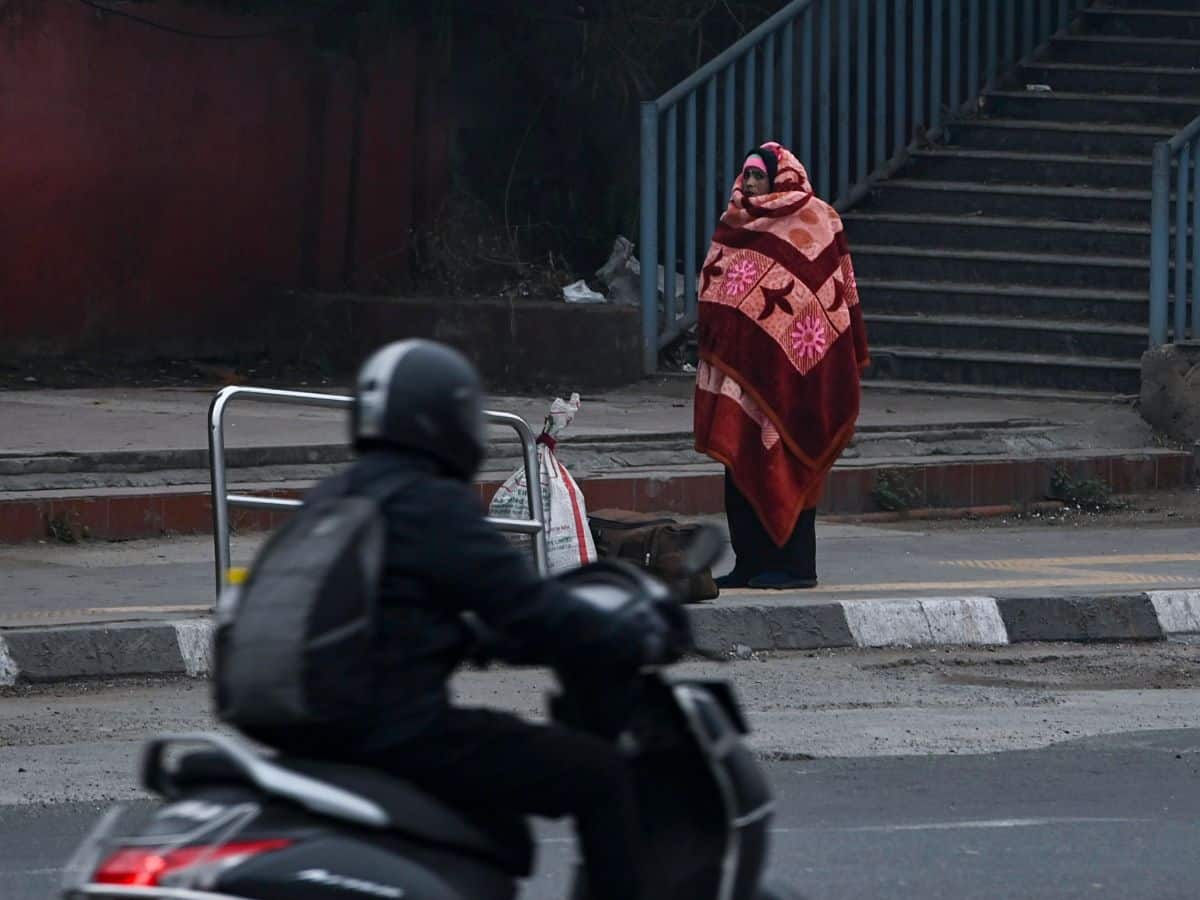
Dense Fog and Severe Air Pollution Grip Northern India, Disrupting Travel and Daily Life
Dense fog is a recurring winter challenge across northern India, notably impacting the early morning hours.This phenomenon significantly reduces visibility, leading to widespread disruptions in air, rail, and road transportation. You can expect these conditions to persist as winter deepens.
Delhi Experiences Coldest December Day This Year
Delhi experienced a sharp temperature drop on Saturday, reaching a frigid 16.9 degrees Celsius – 5.3 degrees below the seasonal average. This marked the coldest December day in the capital this year. The india Meteorological Department (IMD) forecasts continued cold days with dense to very dense fog on Sunday.
These conditions are already impacting travel. Several trains are running late, causing inconvenience for passengers throughout Delhi.
Flight disruptions and Airline Advisories
Reduced visibility is also affecting air travel. IndiGo has issued an advisory warning passengers of potential delays or schedule changes due to the fog.
* Early morning fog is expected across Delhi and parts of northern India.
* Visibility can decrease rapidly, impacting flight operations.
* The airline prioritizes passenger safety above all else.
Yesterday,Indira Gandhi International Airport saw the cancellation of 66 arrival and departure flights. Similarly, four flights were cancelled at Srinagar Airport, including three to and from Amritsar and Delhi, due to adverse weather.
Air Quality Reaches Severe Levels
Delhi-NCR is currently grappling with severe air pollution stemming from a combination of factors. These include vehicular emissions, industrial activity, stubble burning, and the typical winter weather patterns.
The Commission for Air Quality Management (CAQM) has activated all measures under GRAP Stage-IV to combat the deteriorating air quality.
Here’s a snapshot of the current air quality:
* ITO Area: AQI of 405 (Severe)
* Anand Vihar: AQI of 438 (severe)
These readings, according to the Central Pollution Control Board (CPCB), indicate a significant health risk for residents. you should take precautions to protect yourself.
What You Can Do to Protect Yourself
When visibility is low and air quality is poor, consider these steps:
* Travel: If possible, postpone non-essential travel. If you must travel, allow extra time and exercise caution.
* Health: Limit outdoor activities, especially if you have respiratory conditions. Wear a high-quality mask (N95 or equivalent) when outdoors.
* Home: Keep windows and doors closed to minimize exposure to pollutants. Use air purifiers if available.
* Stay Informed: Monitor air quality updates and weather forecasts from reliable sources like the IMD.
This situation requires vigilance and proactive measures to ensure your safety and well-being. Remember to stay informed and take necessary precautions as conditions evolve.
Worth a look
- Denmark Opens Licensing Process for Online Casinos: Everything You Need to Know
- ENHYPEN Fan Mina Dies After Facing Intense Online Backlash Over Concert Interaction
- Disney Q3 Earnings: Market Awaits Updates Under CEO Josh D’Amaro (archyde.com)
- Live Updates: Breaking News and Traffic in Kansas City (news-usa.today)