Kazakhstan Moves to Restrict Freedoms: New Laws Threaten Expression and Marginalized Groups
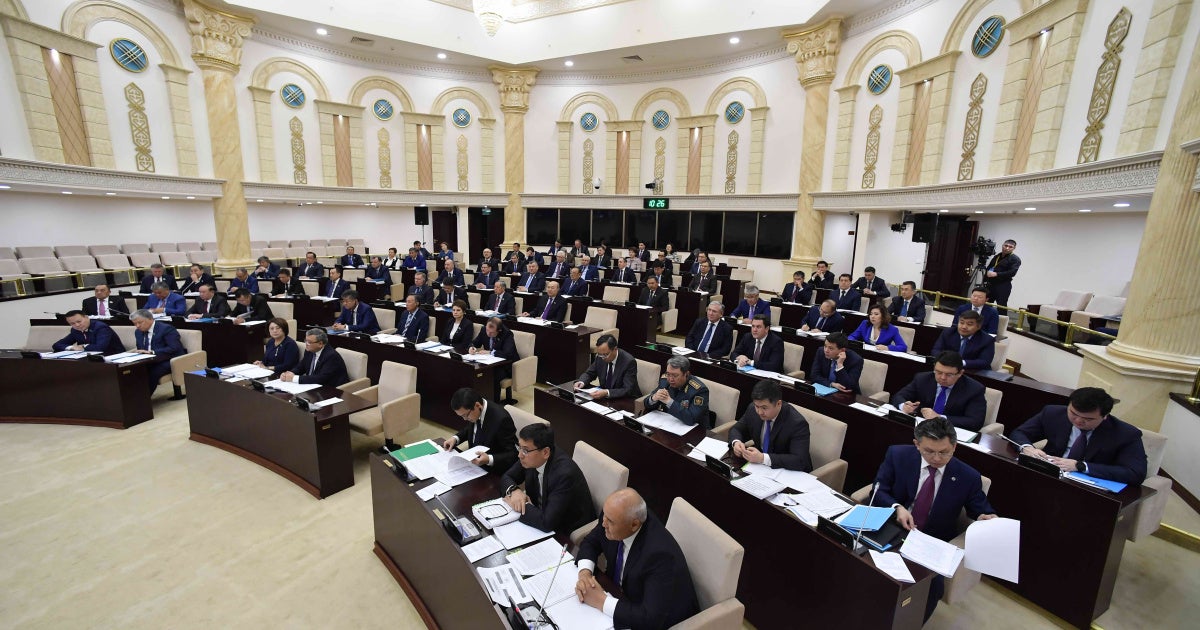
On December 18th,the Kazakh Senate passed two draft laws that raise serious concerns about the future of human rights in the country. These laws, if signed into effect, represent a important step backward for a nation that has publicly committed to progress and equality. This article breaks down what these laws entail, why they matter, and what the potential consequences are for you and for Kazakhstan’s future.
The First Law: Targeting LGBTQ+ Expression
The first law aims to ban what it terms “propaganda” of lesbian, gay, bisexual, and transgender (LGBT) expression.This isn’t about protecting anyone from harm; it’s about silencing voices and suppressing essential rights.
Here’s what you need to know:
* What it does: The law would criminalize public support for LGBTQ+ rights, effectively making it illegal to advocate for equality.
* The intent: The clear goal is to stifle any visible expression of LGBTQ+ identity or advocacy.
* Potential consequences: Individuals could face administrative sanctions – fines or other penalties – simply for expressing support for LGBTQ+ rights publicly. This creates a chilling effect on free speech and activism.
This law echoes similar discriminatory legislation seen in other countries, where even seemingly innocuous acts have been deemed “immoral” or “antisocial.” it directly contradicts President Tokayev’s stated vision of a “Just Kazakhstan.”
The second Law: Broadening the Scope of “Antisocial Behavior”
The second draft law, concerning crime prevention, is equally troubling. It introduces the vague concept of “antisocial behavior” – actions that violate “generally accepted standards of behavior and morality.”
Here’s a closer look:
* The problem wiht vagueness: The law doesn’t define what constitutes “generally accepted standards.” This opens the door to arbitrary and discriminatory enforcement.
* Citizen involvement & potential for abuse: It proposes a system of “public assistants” – volunteers authorized to enforce public order, even using physical force. These volunteers would be tasked with identifying and reporting “antisocial behavior.”
* Ancient echoes: This system bears an unsettling resemblance to past practices where citizens were encouraged to inform on one another,fostering a climate of fear and distrust.
Imagine a scenario where simply laughing too loudly, or expressing a dissenting political opinion, could be labeled “antisocial.” This law provides the framework for such abuses. Several countries have previously categorized support for LGBTQ+ rights or same-sex relationships as immoral,demonstrating the potential for misuse.
Why These Laws Matter: A Threat to Fundamental Rights
These laws aren’t just about LGBTQ+ rights or vague definitions of morality. They strike at the heart of fundamental human rights principles:
* Freedom of Expression: Both laws directly restrict the ability to express opinions and advocate for beliefs.
* Non-Discrimination: The LGBTQ+ “propaganda” ban explicitly targets a marginalized group, violating the principle of equal treatment.
* Due Process: The lack of clear definitions in the crime prevention law creates a risk of arbitrary arrests and punishments.
* government Accountability: These laws undermine the right to criticize government policies and hold authorities accountable.
Governments have a duty, under international human rights law, to protect all citizens, including those from marginalized groups. This includes safeguarding their right to free expression and association.
President Tokayev’s Prospect: Veto for a Just Kazakhstan
President Kassym-Jomart Tokayev has repeatedly spoken of “building a Just Kazakhstan” – a nation of equal opportunities and progress. These draft laws are a direct contradiction of that promise.
Now, the decision rests with him. He has the power to:
* Veto the laws: Rejecting these bills would demonstrate a commitment to human rights and the rule of law.
* Uphold his vision: A veto would signal that Kazakhstan is serious about creating a society where all citizens are treated with dignity and respect.
* Rebuild trust: Rejecting these laws would reassure both the Kazakh people and the international community that Kazakhstan is on a path towards genuine progress.
The future of freedom and equality in Kazakhstan hangs in the balance.It’s crucial that President Tokayev chooses to uphold his stated values and veto these rights-violating laws.
Related reading