Rising Terrorism Concerns in Jammu and Kashmir: A Deep Dive into Udhampur District
The recent surge in terrorist activity in Jammu and Kashmir, especially within the Udhampur district, is raising significant security concerns. This isn’t simply about isolated incidents; it represents a concerning pattern of terrorists seeking sustenance and exploiting local populations while evading capture. Understanding the nuances of this situation – the tactics employed, the groups involved, and the response from security forces – is crucial. This article provides a comprehensive overview of the escalating terrorism in the region, focusing on the recent events in udhampur and offering insights into the broader context.
Recent Incidents in Udhampur: A Pattern Emerges
Over the past few months, Udhampur district has witnessed a disturbing trend: terrorists directly approaching villagers to demand food. These aren’t sophisticated attacks aimed at high-profile targets, but rather a pragmatic approach to survival while operating in challenging terrain.
* December 21, 2024: Terrorists stormed a villager’s house in chore Motu village, Majalta, forcing him to provide food before escaping into nearby forests. A large-scale search operation was immediately launched.
* December 15, 2024: A Special Operations Group (SOG) officer was tragically killed in an encounter with Jaish-e-Mohammad (JeM) terrorists in Soan village, Majalta. This highlights the ongoing risk faced by security personnel.
* October 28, 2024: Three suspected terrorists demanded food at gunpoint from a villager in the upper reaches of Basantgarh.
Did You Know?
According to a recent report by the Institute for Conflict Management (December 2024), there has been a 15% increase in reported incidents of terrorists seeking logistical support from civilians in J&K over the past year.
These incidents, while seemingly minor in themselves, demonstrate a shift in terrorist strategy. They suggest groups are struggling to maintain traditional supply lines and are increasingly reliant on exploiting local resources.Are these isolated events, or a sign of a larger, more desperate situation?
Understanding the Groups Involved: JeM and Beyond
While the December 15th incident was attributed to Jaish-e-Mohammad (jem), the identities of the terrorists involved in the other incidents remain unconfirmed. Though, security analysts believe that Lashkar-e-Taiba (LeT) and other smaller, locally-recruited groups are also active in the Udhampur region.
Pro Tip:
Staying informed about local security advisories and cooperating with security forces is crucial for residents of vulnerable areas. Report any suspicious activity immediately.
JeM, a Pakistan-based terrorist organization, has been responsible for numerous attacks in India, including the 2001 Parliament attack and the 2016 Pathankot airbase attack. LeT, another Pakistan-based group, is known for its involvement in the 2008 Mumbai attacks. The presence of these groups in Udhampur underscores the continued threat of cross-border terrorism.
Security Response and Challenges
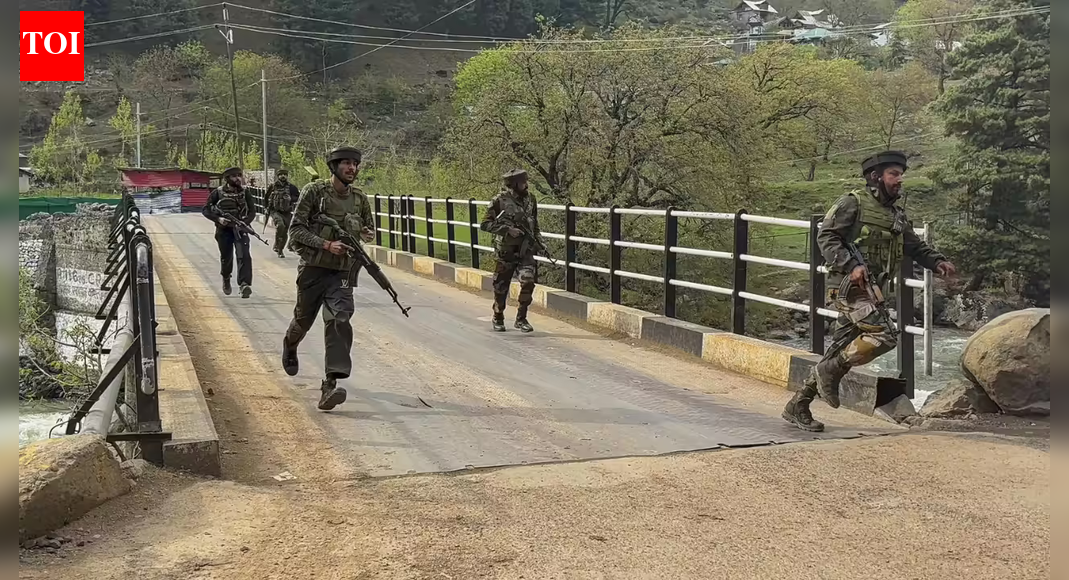
Security forces in Jammu and Kashmir have responded to the increased terrorist activity with intensified operations. These include:
* Cordon and Search Operations: Large-scale searches are being conducted in forest areas and suspected hideouts.
* Increased Surveillance: enhanced surveillance is being deployed to monitor movement and identify potential threats.
* Intelligence Gathering: efforts are underway to gather intelligence on terrorist networks and their activities.
However, several challenges hinder these efforts:
* Arduous Terrain: The mountainous terrain of Udhampur provides terrorists with natural cover and makes it difficult to track them.
* Local Support: While most villagers cooperate with security forces, the possibility of some providing tacit support to terrorists cannot be ruled out.
* Cross-Border Infiltration: The porous border with Pakistan continues to be a major source of concern, facilitating the infiltration of terrorists and weapons.
The Bro
Keep reading