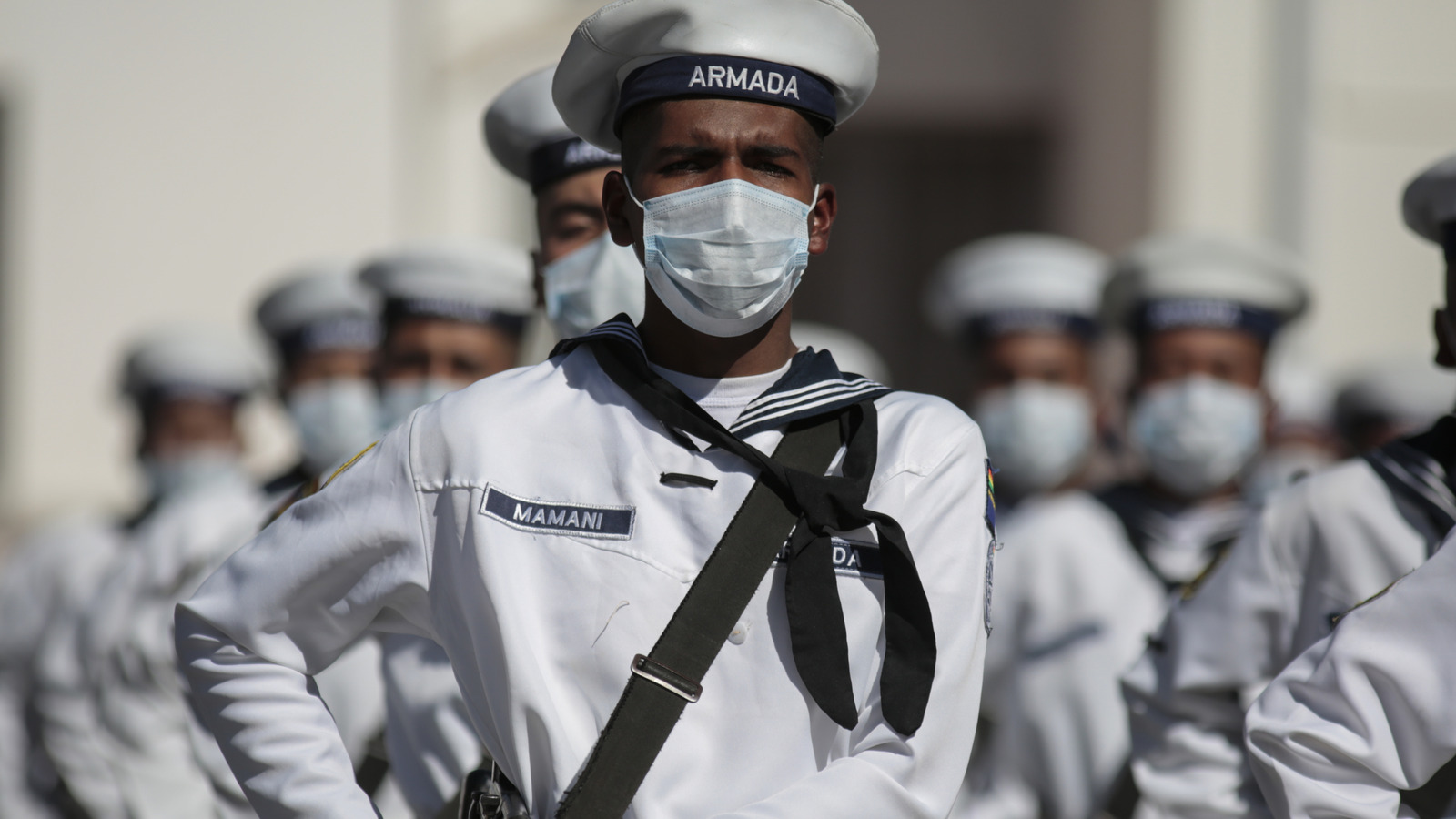
Beyond the Ocean: Why Landlocked Nations Maintain Navies
You might be surprised to learn that many countries without a coastline still operate naval forces. It truly seems counterintuitive, doesn’t it? Though, a closer look reveals strategic and practical reasons why these “landlocked navies” are vital for security, economic stability, and even rescue operations.
let’s explore the captivating world of these unique military forces and understand the critical roles they play.
The Strategic Importance of Inland Waterways
Traditionally, navies are associated with ocean-going vessels and projecting power across the seas. But for landlocked nations, the focus shifts to controlling and protecting vital inland waterways – large lakes, rivers, and even inland seas. These bodies of water often serve as:
* Critical transportation arteries: Moving goods and people efficiently.
* Shared resources: Requiring cooperative management with neighboring countries.
* Potential flashpoints: Demanding security to prevent conflict and illegal activities.
Therefore, maintaining a naval presence isn’t about dominating the ocean; it’s about safeguarding national interests within their geographical boundaries.
Case Studies: Diverse Approaches to Landlocked Naval Power
Several countries demonstrate how landlocked nations build and utilize their naval capabilities.
Kazakhstan and the Caspian Sea: Kazakhstan operates a navy on the Caspian Sea, a vast saltwater lake bordering five countries. Their fleet focuses on vessels suited for the Caspian’s challenging conditions, including it’s decreasing water levels. Smaller, specialized ships offer advantages as ports become harder to access.
Switzerland’s Unique Merchant Navy: Switzerland boasts the largest inland merchant navy globally. Their fleet includes massive vessels,like the Bregaglia,Tzoumaz,and Diavolezza,each weighing 87,000 tonnes. Additionally,smaller patrol boats safeguard lakes along their borders.
Rwanda’s Marine Unit: Rwanda doesn’t have a conventional navy, but its National Police operates a robust Marine Unit. Equipped with over 15 vessels and 150 personnel, they patrol Lake Kivu, combating crime, preventing violence, and conducting rescue operations.
The Multifaceted Roles of Inland Naval forces
Landlocked navies aren’t simply about military might. Their responsibilities are surprisingly diverse:
* Security and Law Enforcement: Preventing smuggling, piracy, and illegal fishing.
* Border Control: Monitoring and protecting national boundaries.
* Disaster Response: Conducting search and rescue operations during floods or othre emergencies.
* Territorial Defense: Protecting vital infrastructure and asserting sovereignty.
* Diplomacy and Cooperation: Engaging in joint patrols and exercises with neighboring countries to foster regional stability.
Adapting to Unique Challenges
operating a navy in a landlocked environment presents unique challenges.
* Logistics: Transporting vessels to and from the water can be complex and costly.
* Training: Sailors require specialized skills for navigating rivers, lakes, and inland seas.
* infrastructure: Ports and naval bases must be strategically located and maintained.
* environmental Concerns: Protecting fragile ecosystems is paramount.
Despite these hurdles, landlocked nations are proving remarkably adept at building effective and versatile naval forces.
A Growing Trend
As global trade and resource competition intensify, the importance of inland waterways will only increase. You can expect to see more landlocked countries investing in naval capabilities to protect their interests and ensure their security. It’s a testament to the fact that naval power isn’t solely defined by access to the ocean, but by the strategic value of any body of water.
Keep reading