Drug Pricing Agreements: A New Era for Pharmaceutical Costs?
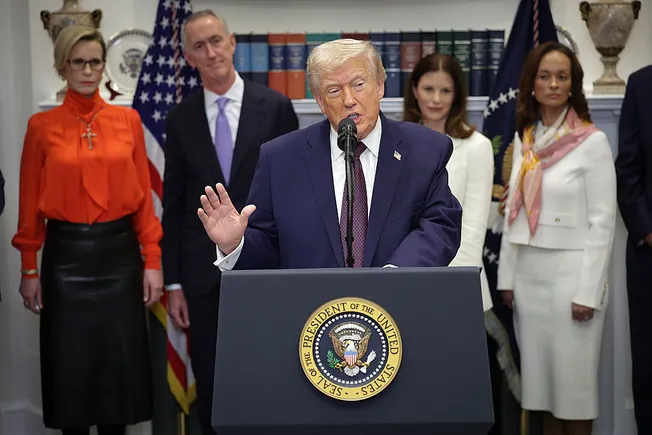
A sweeping series of agreements between the White House and major pharmaceutical companies aims to reshape how Americans access and pay for prescription drugs. These deals, finalized in recent weeks, involve industry giants like Eli Lilly, Novo Nordisk, Merck & co.,amgen,and Bristol Myers Squibb,among others. This represents a significant shift in the ongoing debate surrounding drug affordability and innovation.
A Broad Coalition Steps forward
Nine pharmaceutical companies have now reached agreements with the U.S. government, joining the initial wave of deals focused on obesity drugs like Zepbound and Wegovy. These companies include:
* GSK
* Novartis
* Sanofi
* Genentech
* Boehringer Ingelheim
Notably, three companies – johnson & Johnson, AbbVie, and Regeneron – have yet to finalize agreements, but analysts anticipate their participation soon. These negotiations signal a broader effort to address rising drug costs across a wider range of medications.
Key Provisions of the Agreements
The agreements encompass two primary components. First, specific drug pricing deals are being struck, aiming to lower costs for consumers. Second,the White House intends to prevent “free riding” by foreign nations. This means ensuring these companies offer “Most Favored Nation” (MFN) prices on all new innovative medicines.
Essentially, the goal is to guarantee that other countries with price controls don’t benefit from American innovation without contributing fairly. However, the enforcement of this MFN provision remains unclear.Some companies, like Bristol Myers, have stated their deal exempts them from future pricing mandates.
Incentives and Concerns Emerge
The agreements aren’t solely about price controls. The Food and Drug Administration (FDA) has also offered incentives, such as national priority vouchers. These vouchers expedite the review process for experimental drugs, as demonstrated by the recent grants to Merck.
However, the lack of openness surrounding these negotiations has sparked criticism.Democratic lawmakers have expressed concerns, requesting information from AstraZeneca, Lilly, Novo Nordisk, and Pfizer.They worry that, as with past administrations, promises of lower costs may not materialize for consumers.
What Does This Mean for you?
These agreements represent a complex and evolving landscape.You can expect to see changes in how certain drugs are priced and accessed. The long-term impact will depend on how effectively the MFN provision is enforced and whether the incentives offered truly translate into affordability for patients.
It’s vital to stay informed about these developments and understand how they might effect your healthcare costs. As the situation unfolds,continued scrutiny and transparency will be crucial to ensure these agreements deliver on their promises.
Looking Ahead
The pharmaceutical industry and the government are now navigating uncharted territory. The success of these agreements hinges on collaboration, clear enforcement mechanisms, and a commitment to transparency. Ultimately, the goal is to balance innovation with affordability, ensuring that life-saving medications are accessible to all Americans.
Worth a look
- AI-Powered Diagnostic Devices for Stroke, Parkinson’s, and Cancer Enter Clinical Practice
- Researchers Warn Against Blood Glucose Monitors for Healthy People
- BP Q2 Profit Hits $5.7 Billion Amid Trump Criticism of Big Oil Windfalls (time.news)
- Trump Administration Begins Systematic Appropriation of Japanese Manga (newsdirectory3.com)