Renewed Border Clashes Between Thailand and Cambodia: A Delicate Path to De-escalation
Tensions remain high between Thailand and Cambodia following a recent resurgence of cross-border fighting. Despite a previous truce declaration facilitated by the United States, artillery fire and airstrikes have continued, raising concerns about a prolonged conflict. This article provides a complete overview of the situation, the ongoing diplomatic efforts, and the underlying issues fueling the dispute.
Understanding the Current Situation
The latest escalation began with renewed clashes along the 800-kilometer border, a region historically marked by territorial disputes. Both sides accuse the other of initiating the attacks, claiming self-defense and reporting incidents of civilian casualties.Specifically, Cambodia’s defense ministry alleges Thai artillery fire, resulting in one reported injury to a Chinese mining worker.
You might be wondering why this conflict is flaring up now. The core issue stems from a long-standing disagreement over the demarcation of the border, a legacy of colonial-era mapping, and the ownership of several ancient temple ruins situated along the frontier.
Diplomatic Efforts & The Road to a Ceasefire
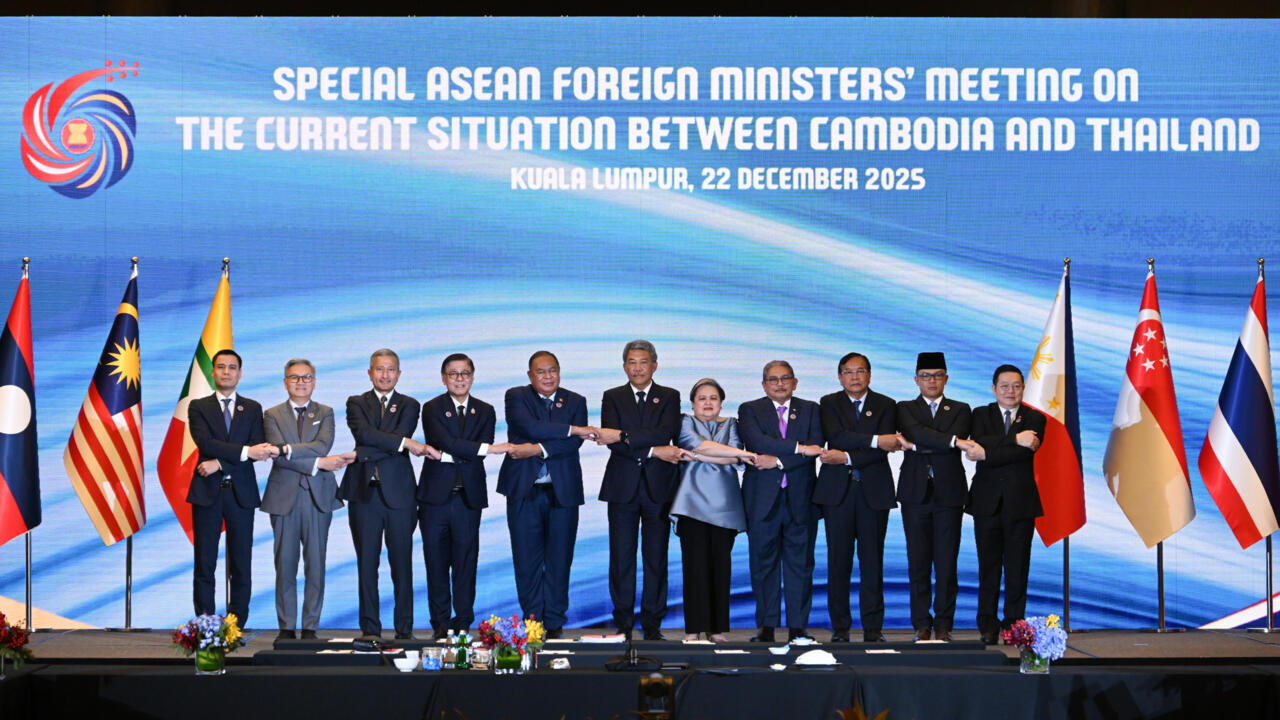
Currently, diplomatic efforts are focused on securing a lasting ceasefire. ASEAN chair Malaysia convened a meeting on Monday to bring Thai and Cambodian representatives together. However, achieving a quick resolution isn’t guaranteed.
Here’s a breakdown of the key players and their positions:
* Thailand: thai Foreign Minister Sihasak emphasizes that a ceasefire must be demonstrated through actions,not just announcements. Bangkok also seeks a Cambodian announcement of a truce and cooperation on de-mining efforts.
* Cambodia: Phnom Penh expresses optimism that Thailand will demonstrate sincerity in implementing a ceasefire, while reaffirming its commitment to resolving disputes through peaceful means, dialog, and diplomacy.
* Malaysia (ASEAN Chair): Malaysia is urging both sides to prioritize the situation, recognizing the wider ramifications of continued escalation for the region. Prime Minister Anwar Ibrahim has stressed the imperative for peace.
* United States: while former President Donald Trump’s administration brokered a previous truce, the october declaration was reportedly rushed to coincide with his visit. US Secretary of State Marco Rubio has expressed hope for a new ceasefire.
* china: Beijing has called for a swift ceasefire,highlighting the need for stability in the region.
Why the Previous Truce Failed
The october joint declaration, overseen by President Trump, aimed to extend a fragile truce established after clashes in July. though, it proved insufficient. Thai officials have indicated the declaration was premature, lacking the necessary groundwork for a sustainable agreement.
As Sihasak stated, “Sometimes we realy need to sit down and thrash things out so that things that we agree will really hold.” This highlights the importance of addressing the underlying issues, not just applying a temporary fix.
The Historical Context: A Border Disputed for Decades
The root of this conflict lies in a decades-old territorial dispute. The 800-kilometer border between Thailand and Cambodia has been a source of contention as the French colonial era, when maps were drawn that both countries now dispute.
Specifically, the Preah Vihear temple complex, a UNESCO World Heritage site, has been a focal point of the disagreement. Both nations claim ownership of the land surrounding the temple, leading to intermittent clashes over the years.
What’s Next?
The upcoming discussions will focus on:
* Implementation of a ceasefire: Moving beyond declarations to concrete actions on the ground.
* Verification mechanisms: Establishing a process to ensure compliance with any agreed-upon truce.
* Addressing the underlying territorial dispute: Initiating a more comprehensive dialogue to resolve the border demarcation issues.
Looking Ahead: the Importance of Regional Stability
The situation demands urgent attention. Continued escalation not only threatens the safety and well-being of civilians on both sides but also risks destabilizing the broader ASEAN region. A lasting solution requires a commitment to peaceful dialogue, respect for international law, and a willingness to address the historical grievances that fuel this conflict.
Ultimately, a durable peace will depend on both Thailand and Cambodia prioritizing diplomacy and cooperation over military posturing.
Disclaimer: This article provides an overview of the situation as of November 27, 2023, based on reports from FRANCE 24 and AFP.The situation is dynamic and subject to change.
Keep reading