
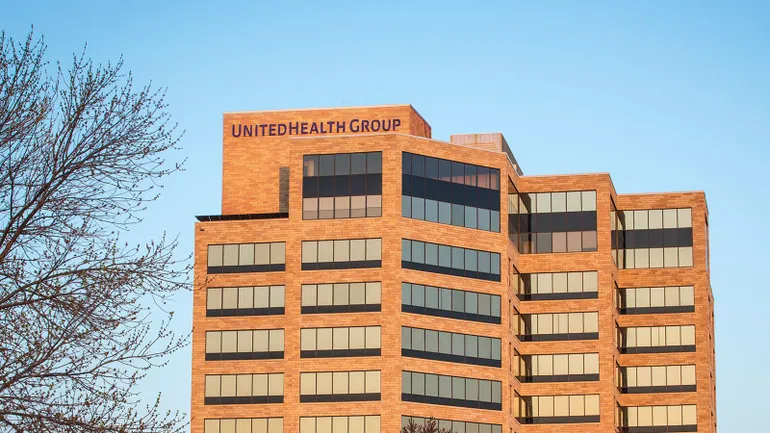
UnitedHealth Under the Microscope: Independent Reviews Reveal Areas for Advancement Amidst Intense Scrutiny
UnitedHealth Group, the healthcare behemoth encompassing UnitedHealthcare insurance and OptumRx pharmacy benefit management, is facing unprecedented pressure. From Department of Justice investigations to heightened legislative scrutiny and even tragic acts of violence targeting its leadership, the company is navigating a complex landscape of public distrust and regulatory challenges. In response, CEO Andrew Hemsley has initiated a series of internal reviews and reforms, the initial findings of which have recently been released. This article delves into those findings, analyzing the areas identified for improvement and the steps UnitedHealth is taking to address them, while contextualizing these efforts within the broader industry shift towards greater transparency and accountability.
Addressing Utilization Management Concerns within UnitedHealthcare
A recent analysis by FTI Consulting examined 62 regulatory audits of unitedhealthcare spanning the past two years. The good news? The review confirmed that UnitedHealthcare’s Medicaid and commercial plans are largely compliant wiht the highest external standards for care management. However, the report didn’t offer a clean bill of health. FTI identified opportunities for improvement, specifically around consistency and proactive corrective action.
The analysis revealed a lack of standardized responses to audit findings. Crucially, in 9 of the 62 audits reviewed, documented corrective action wasn’t taken. Furthermore, the consultancy noted a potential disconnect between quality management efforts and genuine quality improvement in utilization management. The focus, they suggest, appears to be geared towards maintaining external accreditation rather than demonstrably improving patient care processes. This can inadvertently create the perception – notably for external stakeholders – of a lack of coordinated effort to enhance utilization management.
UnitedHealth has responded positively to these findings,announcing plans to implement a robust tracking and monitoring system for audit results. This will include formalized due dates for corrective actions, clear escalation protocols, and a process to reconcile external quality review reports with internal tracking mechanisms. This proactive approach signals a commitment to not just meeting standards, but actively improving performance.
OptumRx: A Clean Bill of Health with Recommendations for Refinement
The second review, conducted by the Analysis Group, focused on OptumRx, UnitedHealth’s powerful pharmacy benefit manager (PBM). PBMs are currently under intense scrutiny as lawmakers and consumers question their practices regarding drug discounts and rebates. The industry is undergoing a period of reform, with companies like Evernorth (Express Scripts) experimenting with new, more clear pricing models.
Unlike the UnitedHealthcare review, the Analysis Group found “no deficiencies or need for corrective measures” within OptumRx’s operations.However, the review wasn’t without recommendations. The Analysis Group suggested enhancing processes for reviewing client-initiated audits and refining escalation procedures for resolving disputes.
OptumRx has pledged to improve its escalation protocols, increase clarity in reporting on discount exclusions, and automate routine, high-volume tasks. These improvements aim to streamline operations and further enhance transparency – a critical step in rebuilding trust with clients and the public.
A Broader Context: Image Revamp and Industry Reckoning
These independent reviews are part of a larger effort by Andrew Hemsley to reshape UnitedHealth’s public image. Taking the helm in May, hemsley inherited a company facing a barrage of criticism and regulatory challenges.The task is monumental, akin to Sisyphus pushing a boulder uphill, given the sheer size and complexity of UnitedHealth’s operations and its prominent position within the healthcare ecosystem.
UnitedHealthcare, as the nation’s largest private insurer, naturally attracts a significant share of the growing discontent directed towards health insurers. The tragic shooting of CEO Brian Thompson last year, believed to be motivated by anger towards the insurance industry, served as a stark wake-up call. This event spurred major carriers, including UnitedHealth, to voluntarily commit to a series of reforms.
Hemsley’s response has been multi-faceted. In addition to commissioning these independent reviews, he has established a new board committee dedicated to monitoring and mitigating financial, regulatory, and reputational risks. This demonstrates a proactive commitment to addressing the challenges facing the company.
Financial Impact and the Road Ahead
Despite these efforts, UnitedHealth’s stock has experienced a significant downturn, falling over 35% year-to-date. This decline is attributed to a combination of factors: worsening public sentiment, ongoing DOJ investigations, the fallout from a major cyberattack, and unexpected cost increases within its insurance division.
The road ahead for UnitedHealth will undoubtedly be challenging. Successfully navigating the current surroundings requires a sustained commitment to transparency,accountability,and genuine improvement. The independent reviews represent a positive first




![EUDA & QB Token: Boosting the Digital Health Ecosystem | [Year] Update](https://i0.wp.com/www.hospitalmanagement.net/wp-content/uploads/sites/9/2025/12/Hospital-5-23-12-2025-shutterstock_2284890973.jpg?resize=330%2C220&ssl=1 "EUDA & QB Token: Boosting the Digital Health Ecosystem | [Year] Update")


