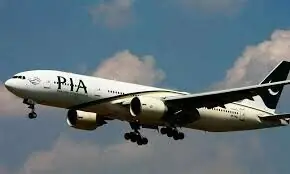
Pakistan’s PIA Privatization: A historic Bid Faces Scrutiny and Intrigue
Pakistan is poised to potentially complete its first major privatization in nearly two decades with the ongoing bidding process for Pakistan International Airlines (PIA). The sale, touted as the largest transaction in the nation’s history, has been met with both optimism and a degree of controversy, raising questions about transparency and the ultimate outcome. This article provides a complete overview of the situation, detailing the process, key players, and potential hurdles.
A Long-Awaited Privatization
For years, PIA has struggled with significant financial burdens and operational inefficiencies. The government views privatization as a crucial step toward alleviating these issues and injecting much-needed capital into the national carrier. The current bidding process represents a significant attempt to restructure the airline and return it to profitability.
Prime Minister Shehbaz Sharif has publicly emphasized the transparency of the process. He highlighted the measures taken to ensure fairness, including sealed bids, live broadcasts, and a competitive auction format.”Today, as the bidding starts… the bids will come in sealed envelopes, there will be clear boxes, there will be a live telecast,” he stated during a cabinet meeting.
The Bidding Process & Initial Challenges
Three consortiums initially entered the race to acquire a majority stake in PIA. However, the process hasn’t been without its complications. Reports suggest a potential deal involving two of the bidders – Arif Habib and Lucky Cement – ultimately fell apart.
Journalist Kamran Khan reported on a proposed arrangement to divide the controlling stake among three parties. This plan, though, was rejected by the Muhammad Ali Tabba-led Lucky Cement group. Both Tabba and a government official confirmed the informal discussion, emphasizing it wasn’t a government-led initiative.
Despite these behind-the-scenes maneuvers,the government remains confident in the integrity of the auction. The bids are expected to be opened and evaluated in a transparent manner, with the highest bidder securing the deal.
Ensuring a Fair Playing Field: Bidder Restrictions
A unique stipulation has been implemented to prevent potential conflicts of interest. Unsuccessful bidders will be barred from any future management roles within PIA. This ensures that only groups genuinely committed to long-term investment and operational improvement will be involved in the airline’s future.
This rule allows Fauji Fertiliser Company Ltd, which previously withdrew from the bidding, the option to join the winning consortium after the acquisition, should they choose. This provides a potential avenue for collaboration and expertise without compromising the competitive bidding process.
What This Means for You
If the privatization succeeds, you can expect to see:
* Increased Investment: New ownership will likely inject capital for fleet modernization and service improvements.
* Operational Efficiency: A focus on streamlining operations and reducing losses.
* Improved Services: Potential upgrades to in-flight experience and route networks.
* Economic Impact: A triumphant sale could boost investor confidence and signal a commitment to economic reform.
Looking Ahead
the outcome of the PIA privatization remains uncertain. The government is committed to a transparent process, but the complexities of the deal and the involvement of multiple stakeholders present challenges.
The next steps involve evaluating the bids, selecting a winning consortium, and finalizing the terms of the acquisition. The success of this privatization will be a pivotal moment for Pakistan’s economy and its aviation industry.
Additional input from Reuters.
Disclaimer: This article provides information based on publicly available sources as of November 21, 2023. The situation is dynamic and subject to change.
Worth a look