Venezuela Blockade: A Flashpoint in a shifting World Order
The escalating tensions surrounding Venezuela,triggered by a renewed US blockade,aren’t simply a regional dispute. They represent a critical test of the evolving global power dynamic, resonating far beyond the Caribbean. Increasingly, the narrative of the US as a destabilizing force – even an “arsonist” – is gaining traction within forums like BRICS, fueling discussions around de-dollarization and a move towards a multipolar world.
Recent condemnations, such as Iran’s strong rebuke of US actions against Venezuela, highlight this growing sentiment. This isn’t isolated criticism; it’s a coordinated pushback against perceived American overreach. Russia’s forceful intervention at the United Nations, spearheaded by Ambassador Vassily Nebenzia, is more than just diplomatic rhetoric. It’s a deliberate positioning of Moscow as a champion of international law and a counterweight to what it portrays as Washington’s “cowboy tactics.”
Nebenzia’s framing of the blockade as an act of aggression deliberately echoes historical precedents, notably the 1962 Cuban Missile Crisis.While Kennedy carefully termed the action a “quarantine” to avoid legal ramifications, the current management under Trump appears less concerned with such niceties. However, the geopolitical landscape has fundamentally changed. Unlike Kennedy’s time, Maduro’s Venezuela isn’t isolated.
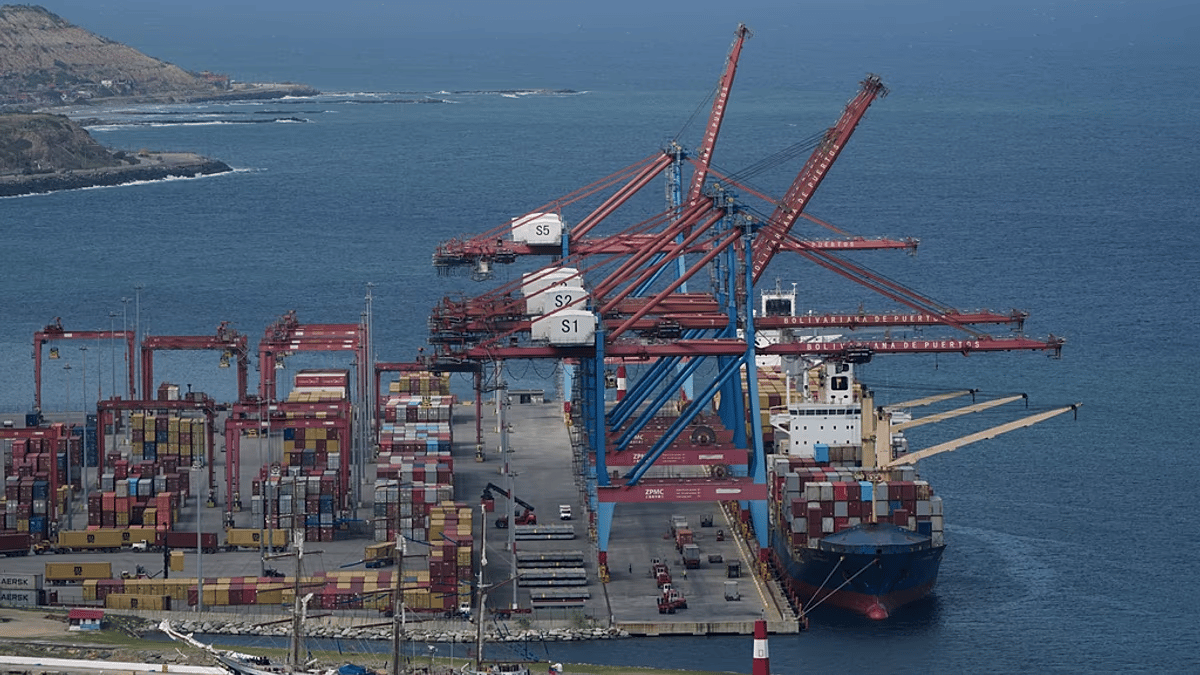
It benefits from robust support networks, including Russian military advisors, Chinese satellite surveillance, and Iranian drone technology. Reports of US electronic warfare activity over Venezuelan skies further underscore the escalating stakes. As tankers cautiously navigate waters off Punta Ballenas, the world holds its breath, anticipating a potential confrontation. Will the US Coast Guard issue warnings, or will Venezuelan fighter jets respond in kind?
Nebenzia’s warning – “Do not carry out an irreparable mistake” – is a stark reminder of the potential consequences. For Russia, defending Venezuela isn’t merely about supporting an ally; it’s about safeguarding a post-unipolar world order.An order based on negotiation and mutual respect, not unilateral dictates. While Trump’s blockade might offer short-term gains, it concurrently accelerates the formation of alliances – notably the Russo-Sino-Venezuelan axis – designed to challenge American dominance.
The recent timeline illustrates the rapid escalation. Trump initiated the blockade via executive action on December 16th, targeting tankers circumventing sanctions. By December 21st, US forces were pursuing a third vessel, prompting a Venezuelan naval mobilization. Russia responded swiftly, with Lavrov’s pledge on December 22nd culminating in Nebenzia’s forceful UN address. Despite the blockade, reports from Bloomberg and Reuters indicate that sanctioned tankers continue to operate, albeit with adjusted routes, highlighting enforcement challenges.
this situation isn’t new. US sanctions have already inflicted an estimated $200 billion in damage on the venezuelan economy since 2017, exacerbating humanitarian crises without achieving the desired regime change.Maduro’s 2024 reelection, despite Washington’s objections, solidified his power. Trump’s return to office amplifies the pressure, linking Venezuela to broader tensions with China, particularly concerning tanker seizures linked to Beijing’s buyers.
Moscow views Venezuela as a crucial “anti-hegemonic redoubt.” Joint military exercises in 2024,featuring Tu-160 strategic bombers,and economic agreements bypassing the SWIFT system demonstrate the deepening partnership. As US naval forces concentrate in the region, Russia’s Pacific Fleet is reportedly mirroring these deployments, potentially as a defensive measure reminiscent of its strategy in Syria.
The global economic implications are significant. Brent crude oil prices surged to $87 a barrel on Tuesday, a 5% weekly increase. While US shale producers benefit from higher prices, they also fear potential supply disruptions. Europe, seeking alternatives to Russian gas following the nord Stream incidents, is increasingly reliant on LNG, with Russia poised to capitalize on this demand. Ironically, the blockade intended to cripple Maduro’s regime is bolstering Putin’s financial position.
Nebenzia’s defiance at the UN symbolizes a broader resistance to perceived American hegemony. Within the chamber, adorned with symbols of national sovereignty, Russia’s voice amplifies the concerns of the Global South. The message is clear: blockades are unacceptable, and a more equitable world order is essential.
As 2025 draws to a close, Trump’s siege of Venezuela isn’t just a test of Maduro’s resilience. It’s a pivotal moment that will define the future architecture of the international system. The ghosts of the Monroe Doctrine
Related reading