China’s Pursuit of EUV Lithography: A Deep Dive into Challenges and Workarounds
Teh global semiconductor landscape is fiercely competitive, and China’s ambition to achieve self-sufficiency in advanced chip manufacturing is no secret. A key bottleneck in this pursuit is access to Extreme Ultraviolet (EUV) lithography technology, currently dominated by Dutch firm ASML. Recent reports suggest China is employing increasingly elegant – and often challenging - methods to circumvent export restrictions and build its own capabilities. Let’s break down the situation, examining the rumors, realities, and limitations facing Chinese chipmakers.
The EUV Bottleneck & ASML’s Dominance
EUV lithography is essential for producing the most advanced semiconductors – the kind powering your smartphones, AI systems, and cutting-edge technologies. ASML holds a virtual monopoly on this technology, and export controls imposed by the US and European governments severely restrict its sale to China. This has spurred a scramble for alternatives, and a wave of speculation about China’s attempts to independently develop or acquire EUV capabilities.
Rumors of Interception and “Frankenstein” Machines
One notably intriguing rumor, reported by Reuters, alleges that China intercepted a Cymer EUV radiation source during transit. The claim suggests they then attempted to reverse-engineer and assemble a functional EUV machine using parts sourced from various suppliers, including refurbished scrap.
Though,the report indicates this effort has,so far,been unsuccessful. The complexity of the system, coupled with the difficulty of obtaining all necessary components in reliable condition, has resulted in a non-functional “Frankenstein” tool.
Upgrading Existing Tech: A More Realistic Approach
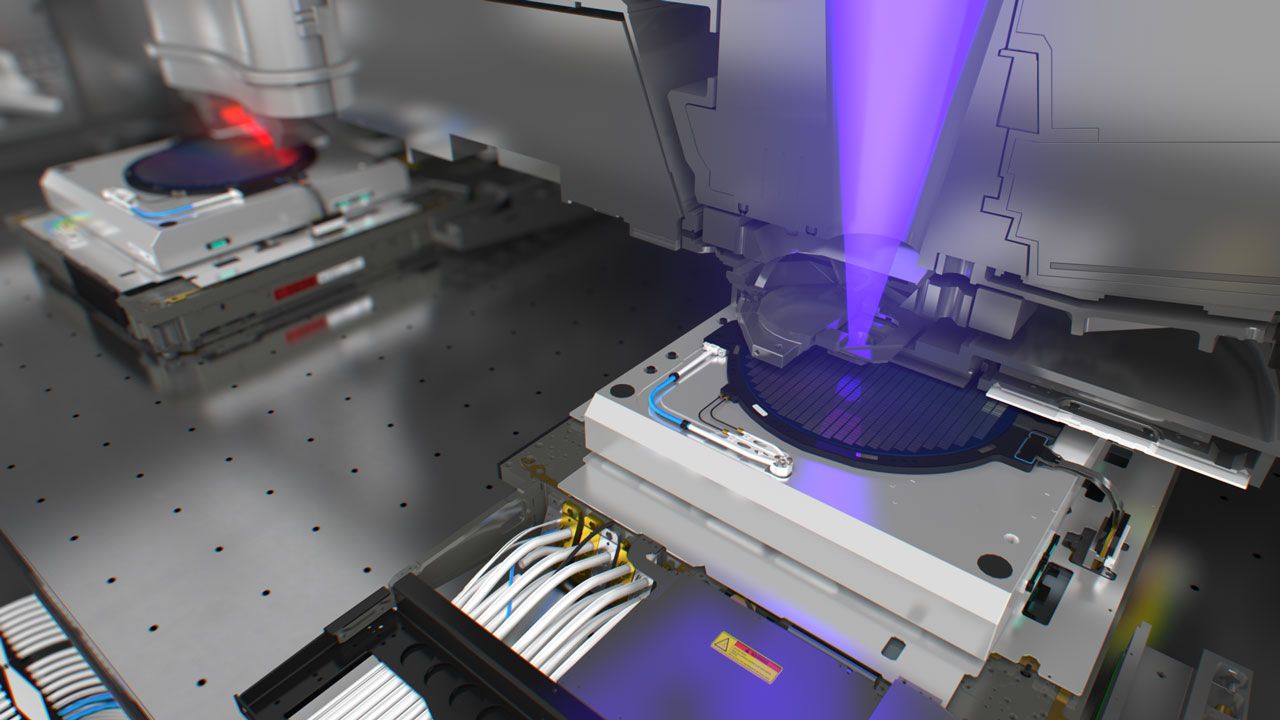
While replicating a full EUV scanner proves elusive, Chinese chipmakers, notably SMIC, are making headway by upgrading existing Deep Ultraviolet (DUV) lithography tools. ASML’s DUV systems, while less advanced than EUV, are still crucial for chip production.
Here’s how they’re doing it:
* Component Acquisition: Leveraging the modular design of ASML’s Twiscan platforms,Chinese companies are acquiring components from third-party suppliers.
* Performance Enhancements: They’re utilizing data – like stage and overlay performance information – to optimize existing DUV tools for more advanced nodes,such as 7nm-class process technologies.
* Acceptable Risk: Even a modest 10% increase in advanced wafer output justifies the potential risks associated with these modifications, given the limitations on access to cutting-edge technology.
The Challenge of software and Proprietary control
Even if chinese manufacturers can acquire the necessary hardware, a significant hurdle remains: ASML’s proprietary software and firmware. these control systems are not publicly available, and reverse-engineering them to match ASML’s standards is a monumental task.
Think of it like building a Formula 1 car - you can get the parts, but without the engine management system and aerodynamic data, it won’t perform.
Why Full Replication Remains Distant
Several factors contribute to the difficulty of replicating ASML’s EUV technology:
* Complex Supply Chain: Producing the high-precision components required for an EUV scanner demands a sophisticated and interconnected supply chain, which China currently lacks.
* Software Dependence: The intricate software and firmware controlling the system are essential for optimal performance and are not readily accessible.
* Deep System Understanding: Successfully integrating these components requires a profound understanding of how they interact – knowledge that comes with years of research and growth.
the Bottom line: Innovation Through Adaptation
While China faces significant obstacles in achieving complete EUV self-sufficiency, they are demonstrating ingenuity in adapting existing technologies and pushing the boundaries of what’s possible.
You can expect to see continued efforts to upgrade DUV tools, explore alternative lithography techniques, and invest heavily in domestic semiconductor research. The path forward won’t be easy, but China’s determination to overcome these challenges is undeniable.
Disclaimer: this article provides an analysis of publicly available information and reports. The semiconductor industry is dynamic, and developments are subject to change.
Worth a look