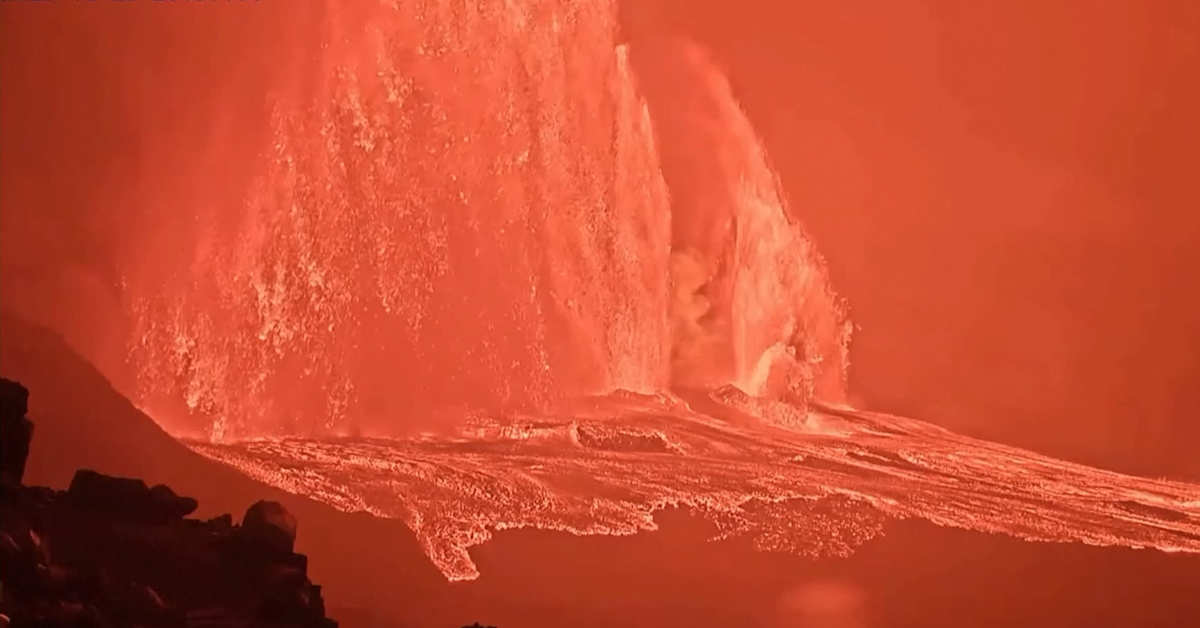
Kilauea Volcano: Witnessing Earth’s Fiery Display
have you ever wondered what it’s like to witness the raw power of a volcanic eruption? Kilauea, one of the world’s most active volcanoes, offers a breathtaking, and often mesmerizing, display of Earth’s internal forces. Recent activity has captivated observers, painting the Hawaiian landscape in fiery hues.
Current Eruption & Recent Activity
Currently,Kilauea is exhibiting extraordinary lava fountaining. Recent observations indicate lava plumes reaching approximately 30 meters (around 98 feet) in height. Geologists anticipate these fountains may continue to grow, offering an even more dramatic spectacle.
This isn’t the first time Kilauea has put on a show this year. In July, the volcano unleashed considerably larger fountains, soaring to over 350 meters (over 1,148 feet) high. These events highlight the dynamic nature of this incredible geological feature.
Understanding Kilauea: A Hawaiian Icon
Kilauea’s name itself is steeped in Hawaiian culture, meaning “spreading” or “mouth.” This aptly describes the volcano’s frequent and often effusive eruptions. It’s a constant reminder of the ongoing creation and reshaping of the Hawaiian Islands.
Considered one of the most active volcanoes globally, Kilauea has been erupting nearly continuously as 1983. While the intensity fluctuates, its persistent activity makes it a focal point for volcanologists and a source of interest for people worldwide.
Why is Kilauea So Active?
Kilauea’s location over a hotspot in the Earth’s mantle is the key to its activity. This hotspot is a plume of hot magma rising from deep within the Earth. As the Pacific Plate moves over this stationary hotspot,it creates a chain of volcanoes,with kilauea being the most recent and active.
Here’s a breakdown of the process:
* Mantle Plume: A rising column of hot rock.
* Pacific Plate Movement: The plate drifts over the hotspot.
* Volcanic Formation: Magma breaks through the crust, creating volcanoes.
* Continuous Activity: The hotspot remains fixed, fueling ongoing eruptions.
The Impact of Kilauea’s eruptions
Kilauea’s eruptions aren’t just visually stunning; they also have significant geological and environmental impacts.Lava flows can reshape the landscape, creating new landforms and altering coastlines. Volcanic gases released during eruptions can affect air quality and contribute to acid rain.
However, these eruptions also play a crucial role in creating fertile volcanic soil, supporting unique ecosystems. The constant renewal of land contributes to the biodiversity of the Hawaiian Islands.
staying Safe & Informed
If you’re planning a visit to Hawai’i Island, it’s essential to stay informed about Kilauea’s activity. The U.S. Geological Survey (USGS) provides real-time updates and hazard assessments.
Here are some resources:
* USGS Hawaiian Volcano Observatory: https://www.usgs.gov/volcanoes/kilauea
* Hawai’i Volcanoes National Park: https://www.nps.gov/havo/index.htm
Always heed warnings from park officials and local authorities. Respect the power of nature and maintain a safe distance from active volcanic areas.
Kilauea: A Living Laboratory
Kilauea continues to be a vital research site for volcanologists. Studying its eruptions provides valuable insights into the Earth’s internal processes and helps improve our ability to predict and mitigate volcanic hazards.It’s a living laboratory, constantly revealing new data about our planet.
Evergreen Insights: the Enduring Power of Volcanoes
Volcanoes, while often perceived as destructive forces, are essential to the Earth’s evolution.