Fragile Peace in Gaza: TrumpS plan Faces Mounting Challenges
A fragile truce in Gaza, initially spurred by a call from former President Donald Trump in September, is struggling to evolve into a lasting peace. While the first phase – a ceasefire, prisoner exchanges, and a partial Israeli withdrawal – took effect on October 10th, the path forward remains deeply uncertain. You’re likely aware of the complexities,and this situation demands a clear understanding of the obstacles.
Trump’s broader vision hinges on two key outcomes: the disarmament of Hamas and its removal from any governing role in Gaza, alongside a full Israeli withdrawal. Though, fundamental disagreements are already surfacing, threatening to derail the entire process. Hamas insists it will only relinquish its arms after a Palestinian state is established – a condition Israel firmly rejects.
A Ceasefire Under Strain
Unfortunately, the cessation of hostilities has not translated into complete calm. Both sides regularly accuse each other of violating the ceasefire agreement, and sporadic violence continues to plague the region. This ongoing tension underscores the deep-seated mistrust that permeates the conflict.
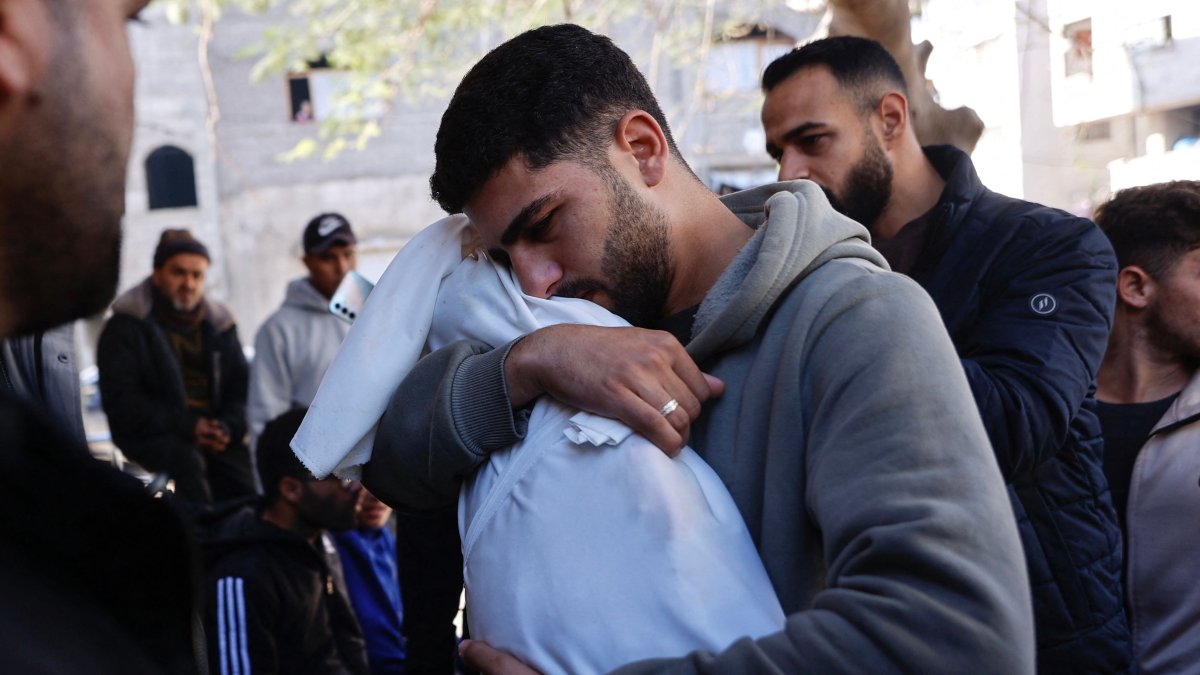
Recent reports paint a grim picture of the situation on the ground. According to Gaza media outlets, over 875 ceasefire violations have occurred as October 10th, resulting in tragic loss of life – more than 400 palestinians killed and over 1,100 injured. Israel reports three soldiers killed in what they describe as militant attacks. Conversely, the Israeli army reports having killed nearly 71,000 Palestinians and injured over 171,100 as October 2023.These numbers are devastating and highlight the human cost of the ongoing conflict.
Netanyahu‘s Concerns and Regional Implications
Israeli Prime Minister Benjamin Netanyahu has voiced strong skepticism about Hamas’s commitment to disarming. He directly stated that Hamas “openly declares it has no intention of disarming,” directly contradicting the core tenets of Trump’s 20-point plan.
moreover, Netanyahu broadened the scope of the security concerns, pointing to other regional actors. He emphasized that Hezbollah in Lebanon, despite being weakened by previous U.S.-brokered truces, also shows no signs of disarming. He also indicated a need to address threats posed by Iran-backed Houthis in Yemen and, ultimately, Iran itself.
“As these old threats change form, new threats arise morning and evening,” Netanyahu stated, acknowledging the ever-evolving security landscape.He affirmed Israel’s desire to avoid confrontation, but stressed the importance of remaining vigilant against potential dangers.
Looking Ahead: The Upcoming Trump Meeting
Next week, Netanyahu is scheduled to meet with Trump, with the primary focus being the next phase of the Gaza plan. This meeting is crucial. It represents a key opportunity to reassess the current situation, address the meaningful obstacles, and possibly chart a new course toward a more enduring peace.
though, given the deep divisions and ongoing violence, achieving a breakthrough will be a monumental challenge. Successfully navigating this complex situation will require skillful diplomacy, a willingness to compromise, and a renewed commitment from all parties involved. The future of Gaza, and regional stability, hangs in the balance.
Related reading