PIA’s Privatization: A Necessary, Though Painful, Step Towards Financial Recovery
The recent privatization of Pakistan International Airlines (PIA) marks a pivotal moment for the struggling national flag carrier, and indeed, for the broader landscape of state-owned enterprises in Pakistan. While the transaction – yielding a 7.5% return (approximately Rs10 billion) to the government – has drawn scrutiny, a deeper understanding of the airline’s recent history and the systemic issues plaguing Pakistan’s public sector reveals this sale as a crucial, albeit arduous, step towards financial stability and future growth.
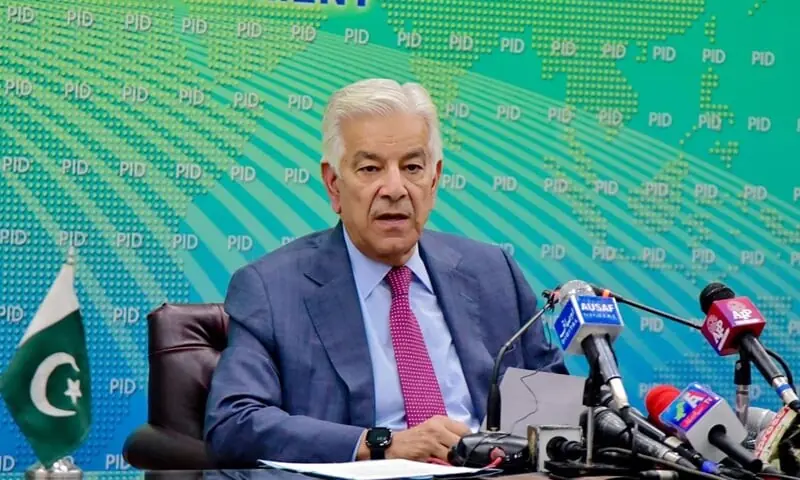
as Defense Minister Khawaja Asif recently articulated, PIA was brought to the brink of bankruptcy following a period of intense crisis. This wasn’t a sudden downturn, but the culmination of years of mismanagement, compounded by a severe reputational blow stemming from revelations in 2019 regarding falsified pilot licenses and allegations of cheating in exams. The fallout was swift and devastating. European and UK aviation authorities promptly banned PIA from their airspace – routes that represented the airline’s most lucrative revenue streams. foreign airlines followed suit, grounding Pakistani-origin pilots due to concerns over license validity.
thes events coincided with the tragic 2020 PIA flight crash near Karachi, a disaster that claimed the lives of nearly 100 people and further eroded public trust. The combined impact of these crises left PIA teetering on the edge of collapse.
restructuring and the Path to Privatization
The government responded with a restructuring plan, absorbing a significant portion of the airline’s liabilities. This paved the way for the recent transaction, which Asif rightly frames as a success given the dire circumstances. The reinvestment of 92.5% of the sale proceeds back into PIA – retaining a 25% government stake – isn’t simply a financial maneuver; it’s a strategic investment in a vital national asset.
It’s important to understand this isn’t a “handout,” as the Minister emphasized. It’s a calculated effort to inject capital into an airline desperately needing modernization and operational improvements. The government’s continued ownership stake demonstrates a commitment to PIA’s future, while the private sector involvement promises the efficiency and innovation often lacking in state-run entities.
Rebuilding Trust and Expanding Routes
The immediate benefits of this restructuring are already becoming apparent. PIA has resumed flights to Manchester and now possesses approvals to operate services to Birmingham, London, new York, and 14-15 destinations across Europe. However, the lack of available aircraft for some of these approved routes highlights the ongoing challenges. Addressing this capacity gap will be critical to fully capitalizing on the regained access to key international markets.
Addressing Systemic Issues: Bureaucracy and accountability
Beyond the specifics of the PIA sale, Asif’s comments shed light on a deeper, more systemic problem: the pervasive inefficiencies and alleged corruption within Pakistan’s state-owned enterprises. He rightly points the finger at the bureaucracy, accusing it of fostering a culture of “loot and plunder” that has plagued the public sector for over half a century.
The practice of retired bureaucrats securing lucrative positions on the boards of these enterprises, often at the expense of financial prudence, is a especially concerning issue. While acknowledging the potential shared obligation of politicians, Asif’s call for accountability is a welcome sign.
The Difficult Decisions Ahead
The Minister’s candid admission – “we are beggars, not the choosers” – underscores the harsh realities facing Pakistan’s economy. The sale of PIA, and the planned transactions involving loss-making power distribution companies in Sindh, khyber pakhtunkhwa, and Balochistan, are not desirable outcomes, but necessary ones.
Furthermore, Asif’s willingness to consider even costly measures to reduce PIA’s overstaffing – acknowledging that the short-term expense is justified by the long-term cessation of financial “bleeding” – demonstrates a pragmatic approach to tackling difficult problems.
Looking Forward: dialog and Reform
The path forward requires a multi-faceted approach. While the government is open to dialogue with the opposition, establishing clear parameters for discussion is essential. More importantly, a sustained commitment to transparency, accountability, and structural reforms within the public sector is paramount.
The privatization of PIA is not an end in itself,but a catalyst for broader change. It’s a recognition that the status quo is unsustainable and that bold, decisive action is needed to secure the financial future of Pakistan and its national assets. The success of this venture will depend
Keep reading