Hawaii’s New Cruise Tax Faces Legal Challenge Amidst Climate Concerns
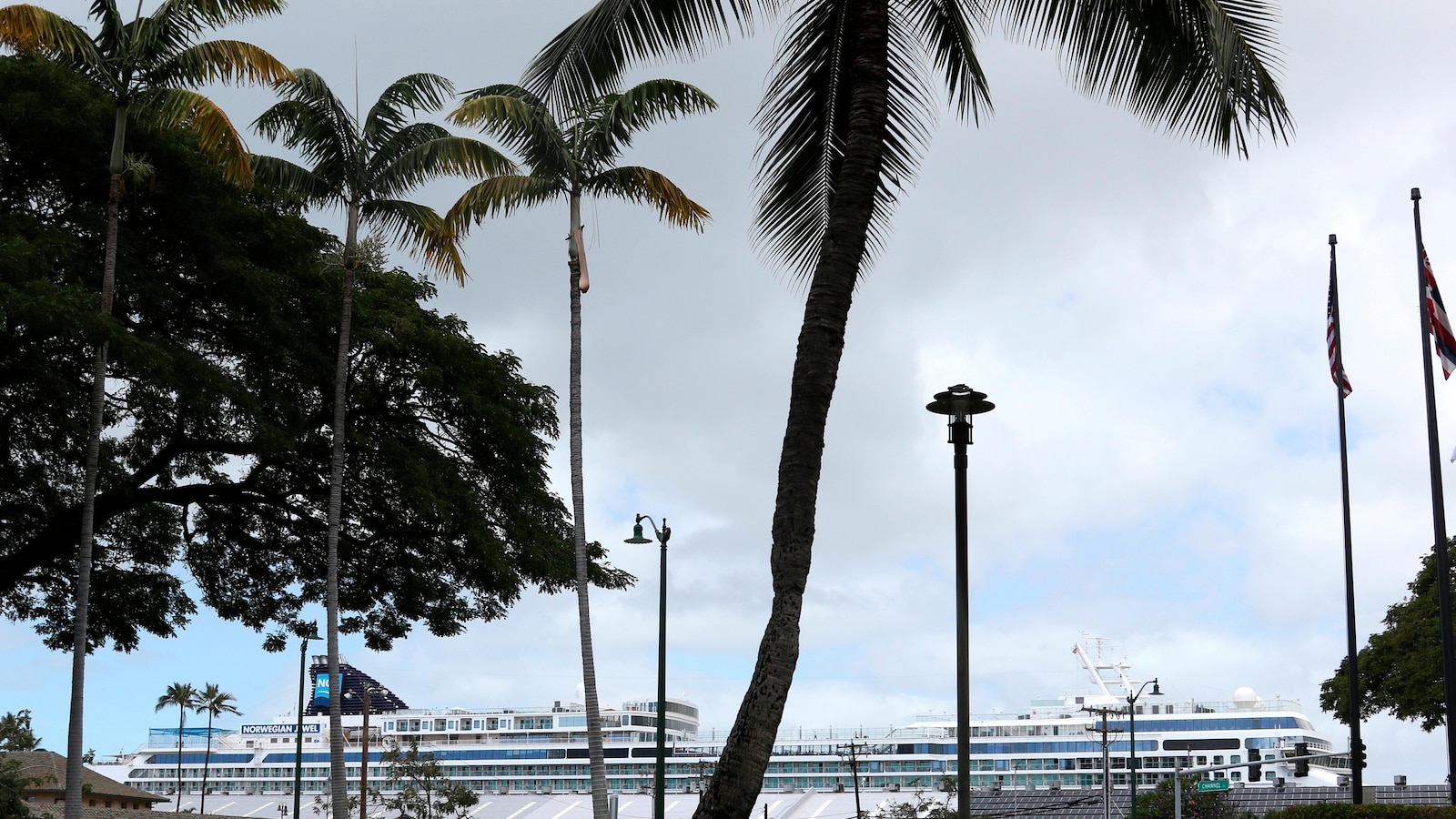
Hawaii is moving forward with a new tax on cruise ship passengers, designed to bolster funding for critical climate change initiatives. however, the law is already facing a significant legal battle, raising questions about its constitutionality and potential impact on the state’s tourism industry. Let’s break down what you need to know.
The Core of the New Law
Initially passed in May, the legislation aims to generate approximately $100 million annually to address pressing environmental issues. These include eroding shorelines and the increasing threat of wildfires – challenges Hawaii is confronting head-on. Specifically, the law introduces:
* Increased taxes on hotel rooms and vacation rentals.
* A new 11% tax on cruise passenger fares, prorated based on the time spent in hawaiian ports, beginning next year.
* Authorization for counties to add an additional 3% surcharge, possibly reaching a total of 14%.
Why the Controversy?
Several parties have filed a lawsuit challenging the validity of the cruise tax. The plaintiffs include Cruise Lines International Association, a Honolulu-based supply company, and Kauai/Big Island tour operators who depend on cruise ship visitors. Their central argument revolves around a potential violation of the U.S. Constitution.
They contend the tax unfairly burdens cruise ships simply for accessing Hawaii’s ports. Moreover,concerns have been raised that the increased cost of cruises will deter tourists,ultimately harming the local economy.
economic Impact & Industry Response
Cruise tourism is a significant economic driver for Hawaii, generating nearly $1 billion in economic impact and supporting thousands of jobs.Industry representatives, like Jim McCarthy of cruise Lines International Association, emphasize their commitment to sustainable tourism. They are focused on ensuring continued success within a legal and responsible framework.
government Stance & Federal Intervention
Hawaii’s Attorney General, Anne Lopez, has affirmed the state’s commitment to defending the law. She stresses that cruise operators should contribute their fair share to address the climate change threats facing the islands.
Interestingly, the U.S. government has also entered the fray, intervening in the case. Officials characterize the tax as an attempt to “extort” American citizens and businesses, alleging it conflicts with existing federal law.
What Happens Next?
Currently, the plaintiffs are preparing to appeal the initial court decision. They have requested a ruling by Saturday afternoon, given the law is scheduled to take effect on January 1st. An injunction is also being sought to halt implementation during the appeal process.
What This Means for You
If you’re planning a cruise to Hawaii, you should be aware of the potential for increased costs. The outcome of this legal battle will directly impact cruise fares and the overall tourism landscape in the state.
Ultimately, this situation highlights the complex balancing act between funding vital environmental protection measures and maintaining a thriving tourism industry. Hawaii is striving to find a sustainable path forward,and this legal challenge is a crucial step in that process.
![How [TV Star’s Name] Was Discovered: The Casting Story Behind This Year’s Breakout Star](https://i0.wp.com/i.guim.co.uk/img/media/4594e352896a25218895867484e185c78343b053/2_236_2109_1686/master/2109.jpg?resize=150%2C150&ssl=1 "How [TV Star’s Name] Was Discovered: The Casting Story Behind This Year’s Breakout Star")