Deadly Mosque Bombing in Nigeria Raises Fears of Resurgent Insurgency
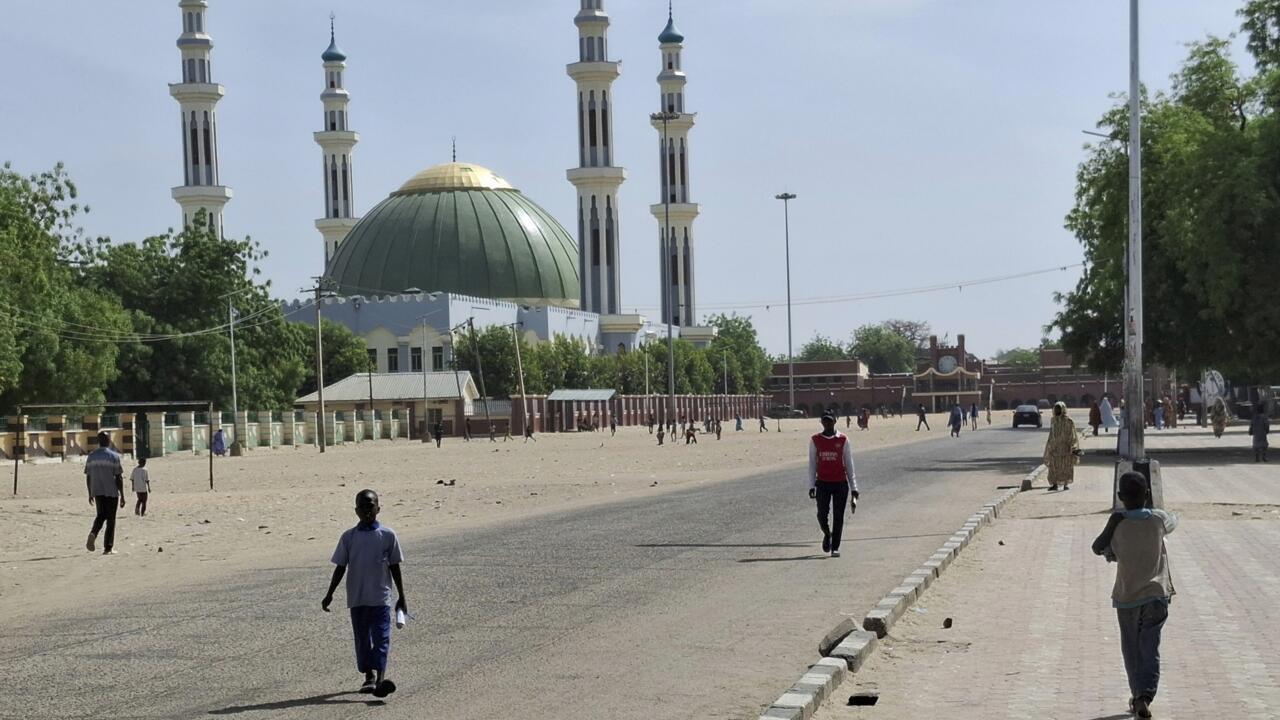
A bomb detonated inside a mosque in Maiduguri, Nigeria, during evening prayers on Monday, resulting in at least seven confirmed fatalities and numerous injuries. This attack, occurring in the Gamboru market area, marks a disturbing escalation of violence in a city that has experienced relative calm in recent years. While no group has yet claimed responsibility, suspicion falls on factions linked to the Islamic State West Africa Province (ISWAP).
This incident underscores the persistent threat of jihadist insurgency in the region, despite ongoing military efforts. Let’s break down what we certainly know and why this event is notable.
what Happened?
* The Attack: An explosion ripped through a crowded mosque around 6:00 pm local time as worshippers gathered for prayers. Witnesses report scenes of chaos and bloodshed.
* Casualties: Initial reports vary, with local mosque leader Malam Abuna Yusuf reporting eight deaths. Police confirm the explosion but have not yet released an official casualty count.Seven deaths have been confirmed by another source.
* Possible Suicide bombing: Some witnesses describe the event as a potential suicide bombing, though investigations are ongoing to determine the exact nature of the attack.
* Immediate Response: Police and explosive ordnance disposal teams were quickly dispatched to the scene. Security alerts were issued to international NGOs operating in the area, advising staff to avoid the gamboru market.
The Broader Context: A Decade of Conflict
Nigeria has been grappling with a brutal jihadist insurgency as 2009. This conflict has had a devastating impact:
* Human Cost: Over 40,000 lives have been lost.
* Displacement: Approximately two million people have been forced to flee their homes.
* Regional Spillover: The violence has extended beyond nigeria’s borders,impacting neighboring Chad,Cameroon,and Niger.
While the intensity of the conflict has decreased from its peak a decade ago, concerns are mounting about a resurgence of attacks, particularly in the northeast.You may recall that Maiduguri, once a frequent target, hadn’t experienced a major attack since 2021.
Why This Matters to You
Even with the relative peace in Maiduguri, the underlying vulnerabilities remain.The presence of military operations and ongoing security checkpoints are constant reminders of the conflict. This latest bombing serves as a stark warning:
* Fragile security: The situation remains precarious, and the threat of further attacks is real.
* Humanitarian Crisis: The ongoing insurgency continues to exacerbate the humanitarian crisis in the region, requiring sustained support for displaced populations.
* Regional instability: The conflict poses a broader threat to regional stability, potentially fueling further radicalization and violence.
analysts are already noting an uptick in jihadist activity this year. The ability of insurgent groups to mount deadly attacks, despite years of military pressure, is a serious concern.
This incident highlights the complex challenges facing Nigeria and the wider Lake Chad Basin region. Continued vigilance, robust security measures, and a thorough approach to addressing the root causes of the insurgency are crucial to preventing further loss of life and fostering lasting peace.
(This report draws from information provided by FRANCE 24 and the Associated Press.)
Resources for Further Information:
* France 24 – Nigerians call for government action against worsening insecurity
Worth a look