Algeria Formalizes Rejection of French Colonial Legacy with New Law
Algeria has taken a decisive step in confronting its colonial past, enacting a new law that effectively condemns French rule and rejects any statute of limitations on crimes committed during that era.This move, occurring on December 24, 2025, signals a notable moment in algerian national identity and its relationship with France. Though, France appears unlikely to respond favorably to the demands embedded within the legislation.
A Historic Legislative Act
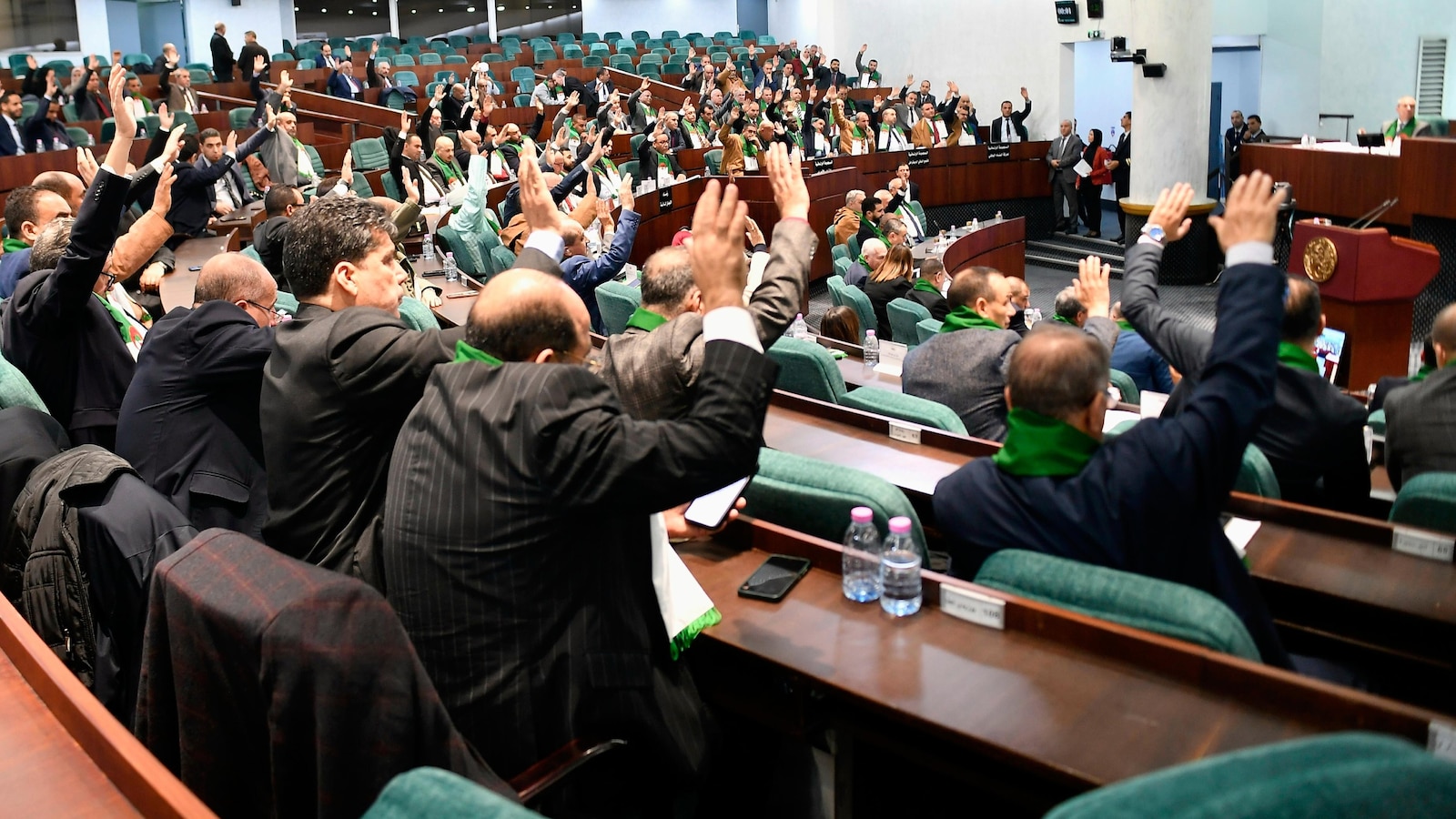
The law, comprised of five chapters and 27 articles, was met with fervent approval within the Algerian parliament. Speaker mohamed boughali heralded the day as “historic,” destined to be “written in letters of gold in the national narrative.” Lawmakers punctuated his opening address with verses from the Algerian national anthem, powerfully declaring, “O France, the hour of reckoning has arrived.”
The atmosphere during the adoption was charged with emotion, punctuated by cries of “Allahu Akbar!” and “Tahya Al Djazair!” (Long live Algeria!). government officials, academics, and former parliamentarians who championed the bill were present for the ceremony.
The Core of the New Legislation
Essentially, the law serves as both a political statement and a moral position. It explicitly refuses to allow the passage of time to diminish the gravity of colonial-era offenses. This means Algeria is formally seeking accountability for actions taken during French rule, regardless of how long ago they occurred.
Mohamed Arezki Ferrad,a former lawmaker instrumental in initiating the bill,expressed deep emotion,stating it marked the culmination of a struggle begun in 2001. He emphasized the law’s dedication to the memory and honor of those who resisted French colonization.
France’s Response and Historical Context
France’s reaction has been predictably dismissive. The French Foreign Ministry characterized the law as “a manifestly hostile initiative.” despite this, they reiterated a commitment to continued dialogue, especially regarding security and migration concerns.
This stance isn’t entirely surprising. You might recall that President Emmanuel Macron, in 2017, acknowledged elements of France’s Algerian history as crimes against humanity. However, he stopped short of a formal apology. Concurrently, a resurgent far-right movement within France continues to celebrate its colonial past.
The Weight of Colonial History
The economic and human cost of French colonialism in Algeria was immense.For decades, nearly a million European settlers enjoyed significant privileges, despite Algeria being legally part of France and Algerian men being drafted into World War II.
The Algerian revolution was brutally suppressed by French forces. Hundreds of thousands perished, and widespread torture, disappearances, and village devastation were employed as counterinsurgency tactics to maintain control. These actions left deep scars on the Algerian psyche, fueling the desire for recognition and justice that this new law embodies.
What This Means for the Future
This legislation represents a clear assertion of Algerian sovereignty and a demand for historical accountability. It’s unlikely to mend relations with France in the short term. Rather, it sets the stage for potentially strained diplomatic interactions.
For you, understanding this context is crucial. It highlights the enduring legacy of colonialism and the ongoing efforts of formerly colonized nations to reclaim thier narratives and seek redress for past injustices. The law’s passage underscores the importance of acknowledging and confronting difficult historical truths,even – and especially – when they are uncomfortable.
Worth a look