the Powerball Phenomenon: Understanding the $1.817 Billion Jackpot adn Your Chances
The holiday season delivered an extraordinary gift to one lucky player in Arkansas: a staggering $1.817 billion Powerball jackpot. This monumental win, occurring on Christmas Eve, represents the second-largest lottery prize ever claimed, sparking dreams and discussions about luck, probability, and financial freedom. But what does this win really mean, and what are your actual chances of hitting the jackpot? Let’s delve into the world of Powerball, exploring everything from the game’s mechanics to the financial implications of such a life-altering prize.
How Does Powerball Work? A Deep Dive
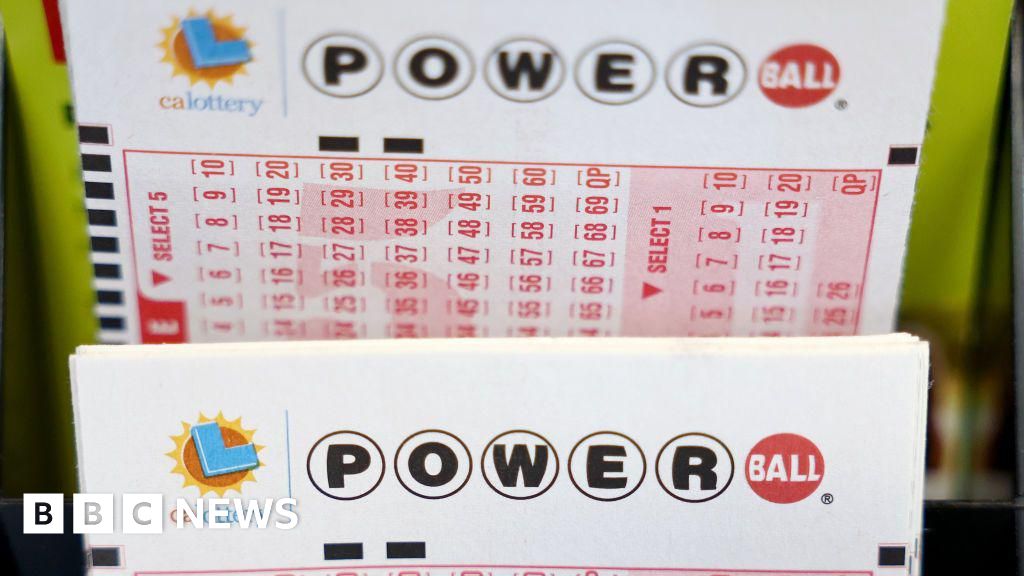
Powerball, launched in 1992, is a multi-state lottery game available in 45 states, Washington D.C., Puerto Rico, and the U.S. Virgin islands. The core principle is simple: match all five white balls (ranging from 1 to 69) and the red Powerball (ranging from 1 to 26).
Here’s a breakdown:
* Ticket Cost: $2 per play.
* Drawing Schedule: Wednesdays and Saturdays at 10:59 PM ET.
* Winning Combinations: Prizes are awarded for matching varying numbers of balls.
* Jackpot Trigger: The jackpot grows until someone wins. if no one matches all numbers, it “rolls over” to the next drawing, increasing the potential prize.
Did You Know? The odds of winning the Powerball jackpot are a daunting 1 in 292.2 million. To put that into perspective, you’re more likely to be struck by lightning multiple times!
The Arkansas Winner & Payout Options
The Arkansas winner had the choice between a lump-sum cash payment of $834.9 million or an annuity spread out over 29 years. Historically,the vast majority of winners - around 70-80% according to the North American Association of State and Provincial Lotteries (NAASPL) – opt for the immediate cash payout. This is ofen due to the desire for immediate access to funds and the complexities of managing a long-term annuity.
What would you do if you won?
The $1.817 billion jackpot falls just short of the record-breaking $2.04 billion prize won in California in 2022. This highlights the escalating nature of lottery jackpots, driven by increased ticket sales and changes to game rules over time.
Pro Tip: If you win, instantly sign the back of your ticket and store it in a secure location. Then, consult with a financial advisor, a tax attorney, and a lawyer before claiming your prize. Maintaining anonymity,where permitted by state law,is also highly recommended.
Understanding the Odds: Beyond the Jackpot
While the jackpot receives the most attention, Powerball offers several other prize tiers. Here’s a look at the odds of winning any prize:
* Jackpot (5 white balls + Powerball): 1 in 292.2 million
* $1 Million (5 white balls): 1 in 11.688 million
* $50,000 (4 white balls + Powerball): 1 in 969,180
* $100 (4 white balls): 1 in 38,383
* $4 (3 white balls): 1 in 579
These odds demonstrate that while winning the jackpot is incredibly unlikely, your chances of winning something are significantly higher. Though, it’s crucial to remember that lottery tickets should be viewed as entertainment, not as a reliable investment strategy.
Tax Implications of a Powerball Win
Winning a considerable lottery prize comes with significant tax obligations. Federal taxes range from 24% to 37%,and most states also impose income taxes on lottery winnings. The Arkansas winner, for example, will likely owe hundreds of millions in taxes.
recent Research (November 2023, Forbes Advisor): A recent analysis by Forbes Advisor
Worth a look