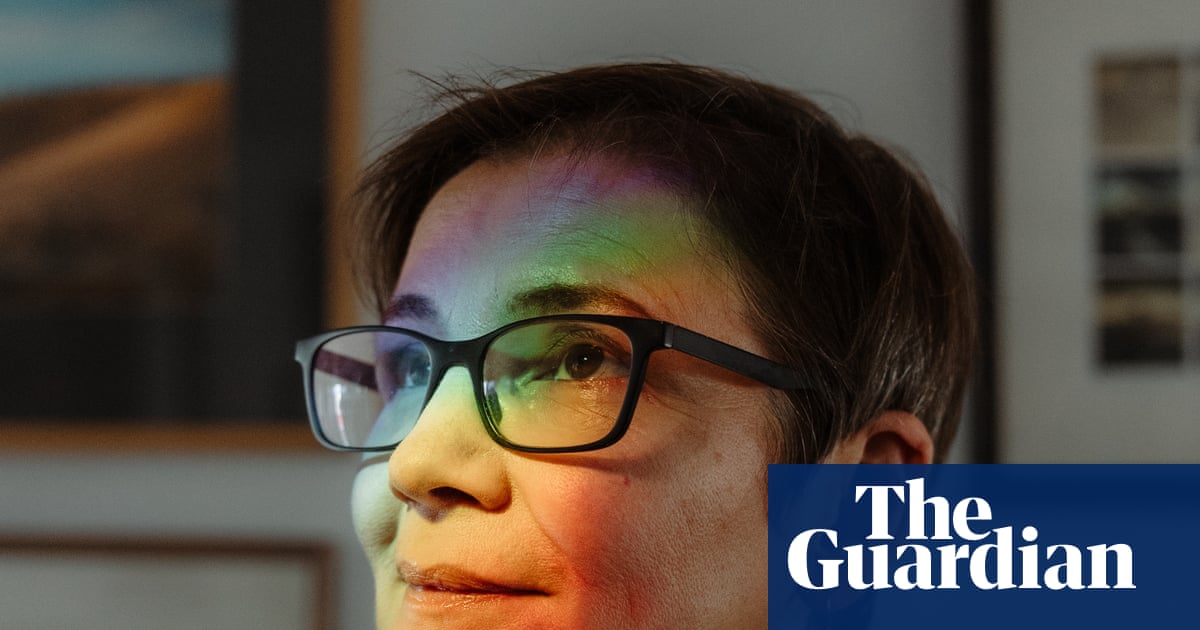
The Vibrant World of Synesthesia: From Childhood Bullying to Embracing a Neurodiversity Superpower
For some, sound isn’t just heard – it’s seen.This is the reality for individuals with synesthesia, a fascinating neurological phenomenon where stimulation of one sense involuntarily triggers experiences in another. As a professional musician and someone who experiences chromesthesia (seeing colors with sounds), I understand this intimately. My journey, though, wasn’t always one of acceptance. It began with tears in a school band and a painful label of “weird.”
A Lifelong Sensory Interplay
My synesthesia manifests as vivid colors linked to musical notes and timbres. Playing music isn’t simply an auditory experience for me; it’s a breathtaking visual spectacle.I vividly recall a moment in my youth, performing in a brass band, where the music evoked such intense beauty it brought me to tears. Unfortunately, that vulnerability was met with ridicule.
This early experience silenced me for over two decades. It’s a common story. Many synesthetes learn to hide their experiences, fearing judgment or misunderstanding. Yet, music remained my sanctuary. Performing,ironically,became a haven from anxiety,a stark contrast to the anxieties I felt in everyday social situations. The collective flow of an orchestra – the BBC Symphony orchestra and the Adelaide Symphony orchestra, among others – felt like pure ecstasy.
Reframing Synesthesia: From Burden to Gift
It took a period of professional burnout and the guidance of a mental health specialist to finally reframe my synesthesia. I realized it wasn’t a flaw, but a unique gift.this realization sparked a desire to advocate for others, notably young people who might be experiencing similar feelings of isolation. I wanted to help those eight-year-olds who might be afraid to share their experiences.
Now,I’m dedicated to raising awareness and normalizing neurodiversity through several avenues:
* Primary School programs: I’ve developed a curriculum designed to celebrate differences and foster understanding of neurological variations.
* Improvised sound Baths: my album of nature-based sound baths aims to promote awareness of neurodivergence and the power of sensory exploration. Improvisation is key,as it consistently surprises my brain and amplifies my synesthetic experiences.
* Historical Research: I’m currently researching the life and work of Miriam Hyde, a 20th-century Australian composer who also possessed auditory-visual synesthesia. Her struggles with sensory overload and intense focus resonate deeply with my own experiences.
Building a Supportive Future for Synesthetes
Hyde’s story, and her late-in-life flourishing, inspires me to consider how we can better support neurodiverse individuals. I’m exploring ideas like:
* Neurodiversity-Pleasant Concerts: Events with reduced bright lights and minimized waiting times to create a more pleasant environment.
* Online community: A dedicated online space for synesthetes to connect, share experiences, and find support.
We need to actively encourage synesthetes to thrive, especially in educational settings. They are the future innovators, the artists like Billie Eilish, Lorde, and Miriam Hyde, who will shape our world with their unique perspectives.
Synesthesia: A Celebration of Human Variation
Synesthesia isn’t a disorder to be “fixed.” It’s a natural variation in human perception – a form of neurodiversity that deserves to be celebrated. It’s a superpower waiting to be unlocked. I only wish I had understood that sooner.
If you experience synesthesia, know that you are not alone. Your unique way of perceiving the world is valuable, and it has the potential to enrich your life and the lives of others. Embrace your sensory gifts, and let your vibrant inner world shine.
Resources:
* American Synesthesia association


![Qatar & Peace: Why the US Should Strengthen Ties | [Publication Name]](https://i0.wp.com/cdn-live.foreignaffairs.com/sites/default/files/styles/social_share/public/images/2025/12/18/2025-10-10T144325Z_1726144100_RC219HAWY7T9_RTRMADP_3_USA-QATAR.JPG?resize=330%2C220&ssl=1 "Qatar & Peace: Why the US Should Strengthen Ties | [Publication Name]")