
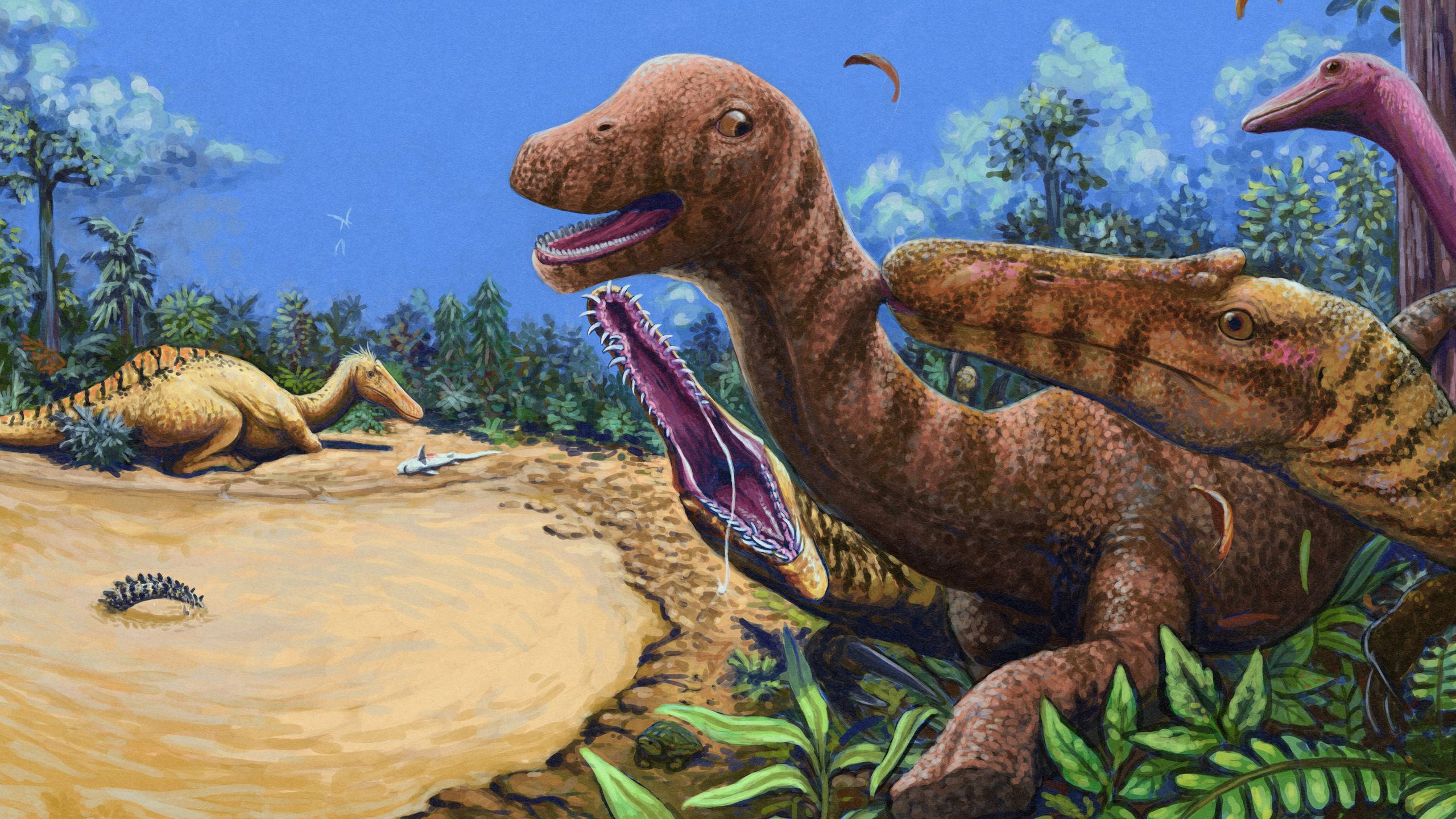
new Spinosaurid Dinosaur Unearthed in Thailand Sheds Light on Asian evolution
A newly discovered spinosaurid dinosaur in thailand is offering paleontologists valuable insights into the evolution of these fascinating predators, notably within Asia. The find, unearthed in the Sam Ran region, represents a unique species exhibiting characteristics of both known spinosaurids while possessing distinct features of its own. This discovery promises to reshape our understanding of these semi-aquatic giants.
Identifying a New Spinosaurid
the team quickly identified the fossil as belonging to the spinosaurid family due to several key traits. These included elongated neck vertebrae and the presence of tall spines extending from its back vertebrae – hallmarks of the group. However, this particular species wasn’t a perfect match to previously identified spinosaurids.
Specifically, researchers noted:
* Shorter spines compared to the iconic Spinosaurus.
* More paddle-like spines than Ichthyovenator, a spinosaurid previously discovered in neighboring Laos.
These differences suggest a unique evolutionary path for this Thai spinosaurid.
Evolutionary Relationships: A Complex Puzzle
Currently, the team hypothesizes that the Sam Ran spinosaurid is more closely related to Spinosaurus from North Africa than to Ichthyovenator. Nevertheless, the evolutionary history of Asian spinosaurids remains largely uncertain. Researchers emphasize that these findings are preliminary, and further examination is needed to solidify these conclusions.
Understanding the relationships between these dinosaurs is challenging, as the fossil record for spinosaurids, in general, is incomplete. More discoveries are crucial to unraveling the complexities of their evolution.
life Alongside Ancient Rivers
The spinosauridS remains were found near a shallow riverbed,indicating it lived alongside a thriving ecosystem during the early Cretaceous period (approximately 145 to 66 million years ago). Interestingly, the researchers don’t believe this dinosaur was a proficient swimmer.Instead, it likely utilized the river habitat for foraging and as a habitat rich in life.
The surrounding fossil site paints a vivid picture of the ancient landscape. It has yielded remains of:
* Freshwater sharks
* Bony fish
* turtles
* Crocodiles
* Other dinosaurs, including a sauropod and an iguanodontian.
A Semi-Arid Environment
According to the research team, the new spinosaurid inhabited a river system characterized by gently flowing water and occasional flooding. This river flowed through a landscape that was likely dry to semi-arid. You can envision a world quiet different from the lush rainforests Thailand is known for today.
This discovery underscores the diversity of life that existed in Asia during the Cretaceous period and highlights the importance of continued paleontological exploration in the region. It’s a testament to the fact that there are still countless stories waiting to be unearthed,offering us a deeper understanding of our planet’s prehistoric past.




