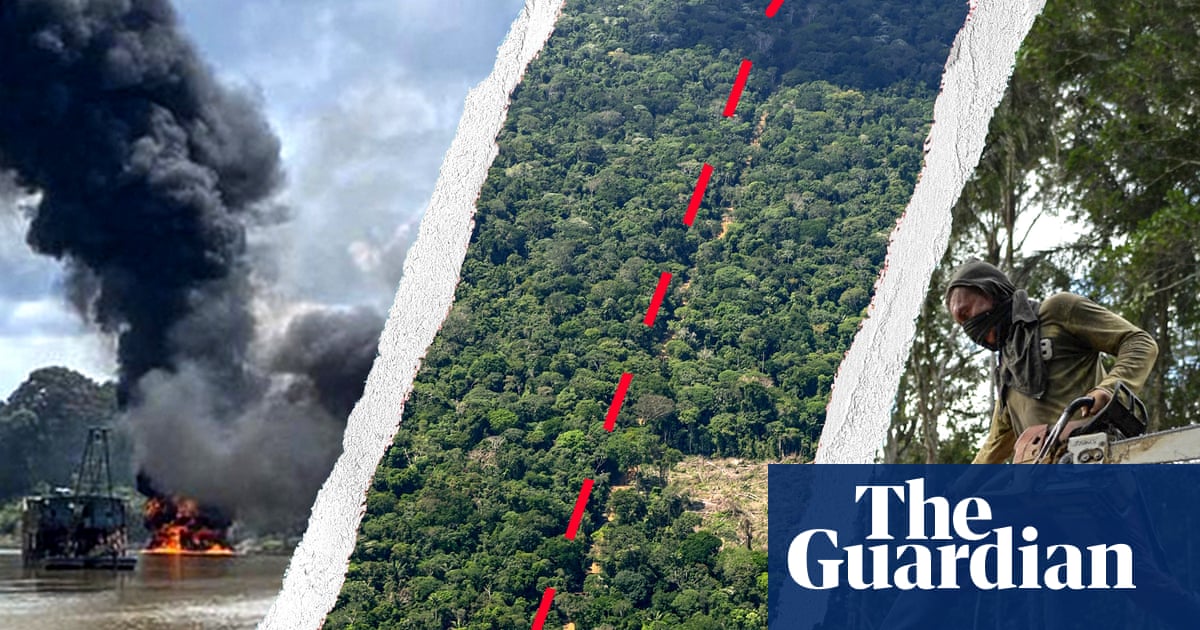
The Amazon’s Shadow Economy: How Land, commodities, and Conflict Intertwine
The amazon rainforest, a vital global resource, is increasingly caught in a dangerous web of criminal activity fueled by the demand for commodities and a relentless pursuit of land ownership. For generations, indigenous communities thrived within the Amazon, maintaining a delicate balance with the ecosystem. Though, this harmony has been profoundly disrupted by large-scale settlement and the allure of profit.
Recent research confirms a troubling trend: escalating demand for resources directly exacerbates both environmental degradation and security risks throughout the Amazon basin. A collaborative approach involving the nine nations sharing this territory is crucial, focusing on strengthening local governance and empowering communities.
The Core of the Problem: Land as Currency
Land ownership sits at the heart of this escalating crisis. The exploitation of resources – timber, cattle, coca, and minerals – generates substantial revenue for criminal organizations. This income is then reinvested into expanding operations, attracting recruits and acquiring weaponry.
Ultimately, the true wealth lies not just in the commodities themselves, but in controlling the land. Deforested land gains value with the addition of infrastructure like cattle ranches, water access, and power lines. This creates a speculative land market, inadvertently financed by the state.
* This dynamic incentivizes further deforestation.
* It fuels conflict over territorial control.
* It undermines sustainable growth efforts.
The Rise of Criminal Cartels and the Need for Alternatives
Criminal cartels are increasingly involved in these activities, leveraging the profits to consolidate power and expand their influence. You might recall similar patterns emerging in other regions, such as the lawless rush for rare earth minerals in Venezuela, where drug trafficking, extortion, and kidnapping are rampant.
Addressing this complex issue requires a shift in strategy. Simply attempting to suppress criminal activity isn’t enough. The state must proactively offer viable alternatives to those involved, options that are more appealing then the financial incentives offered by illegal enterprises.
Consider these potential incentives:
- Family reunification: Providing support for families and reintegration into communities.
- Peace of mind: Offering amnesty and protection from retribution.
- Retirement opportunities: Creating pathways for a dignified retirement.
- Future for children: Investing in education and opportunities for the next generation.
These individuals are, fundamentally, people with needs and aspirations. A triumphant long-term solution in the Colombian Amazon – and throughout the region – requires blending environmental protection with a genuine commitment to peace and human well-being.
A Pessimistic Outlook, But Hope Remains
While the situation is undeniably challenging, a path forward exists. However, a realistic assessment suggests that immediate solutions are unlikely. The focus must be on long-term strategies that address the root causes of the conflict and offer sustainable alternatives to those currently involved in illegal activities.
Ultimately, protecting the Amazon requires a holistic approach that recognizes the interconnectedness of environmental, economic, and social factors. It demands a commitment to empowering local communities, strengthening governance, and fostering a future where both people and the rainforest can thrive.
Keep reading