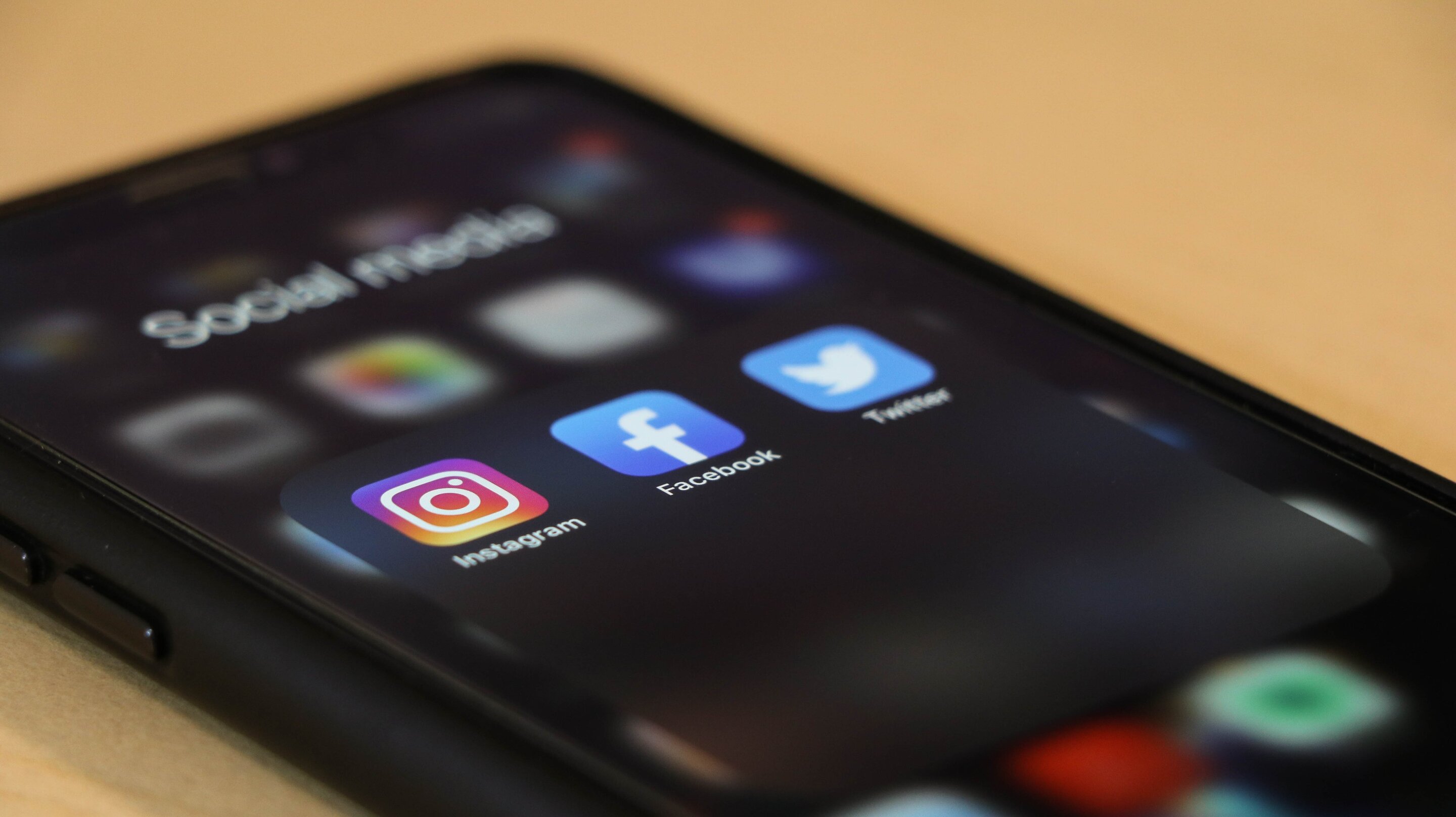
Teenagers today are navigating a world saturated with digital stimulation, and it’s raising concerns about their ability to focus. Recent research suggests a compelling link between social media use and rising attention problems in adolescents, a connection that’s becoming increasingly clear as we observe generational shifts in cognitive skills. It’s a complex issue, but understanding the nuances can empower you to support the young people in your life.
For years, video games have ofen been blamed for declining attention spans. However, this new study challenges that assumption, pointing instead to the unique characteristics of social media platforms as the primary culprit.Specifically, the constant stream of notifications, the need for rapid responses, and the endless scrolling contribute to a fragmented attention state.
Here’s what makes social media especially impactful:
* Variable Rewards: Platforms are designed to deliver unpredictable rewards – a like, a comment, a new follower. This triggers dopamine release, creating a habit loop that keeps you checking back for more.
* Constant Switching: You’re constantly shifting your attention between different posts, people, and topics, preventing deep focus on any single task.
* Social Comparison: The curated nature of social media often leads to comparison, which can be distracting and emotionally draining.
I’ve found that the way social media is structured fundamentally differs from most other activities. Unlike reading a book or playing a video game with a defined goal, social media offers an endless, open-ended experience. This can be incredibly stimulating, but it also trains the brain to crave novelty and struggle with sustained attention.
The study involved analyzing data from a large group of adolescents over several years. Researchers assessed their social media and gaming habits,alongside measures of attention and cognitive function. The results consistently showed a stronger correlation between social media use and attention difficulties than with gaming.
Furthermore, the impact isn’t limited to just difficulty focusing. It can also manifest as:
* Increased impulsivity.
* Difficulty with delayed gratification.
* Trouble with planning and organization.
* Reduced ability to engage in deep thinking.
What can you do about this? It’s not about eliminating social media entirely, as it’s an integral part of modern life for many teens. Instead, it’s about fostering healthy habits and mindful usage.
Here are a few strategies that work best:
- Set Time Limits: Encourage your teen to establish daily or weekly limits for social media use.
- Create Tech-Free Zones: Designate specific times and places – like mealtimes or bedrooms – where devices are not allowed.
- Promote Offline Activities: Encourage hobbies, sports, and social interactions that don’t involve screens.
- Model Healthy Behaviour: As a parent or mentor, demonstrate your own mindful technology use.
- Encourage Critical Thinking: Help teens understand how social media algorithms work and how content is curated.
It’s also significant to remember that every teen is different.What works for one may not work for another. Open communication and a supportive approach are key.
Ultimately, navigating the digital landscape requires a balanced approach. By understanding the potential impact of social media on attention and implementing strategies for mindful usage, you can help teens develop the cognitive skills they need to thrive in an increasingly distracted world.