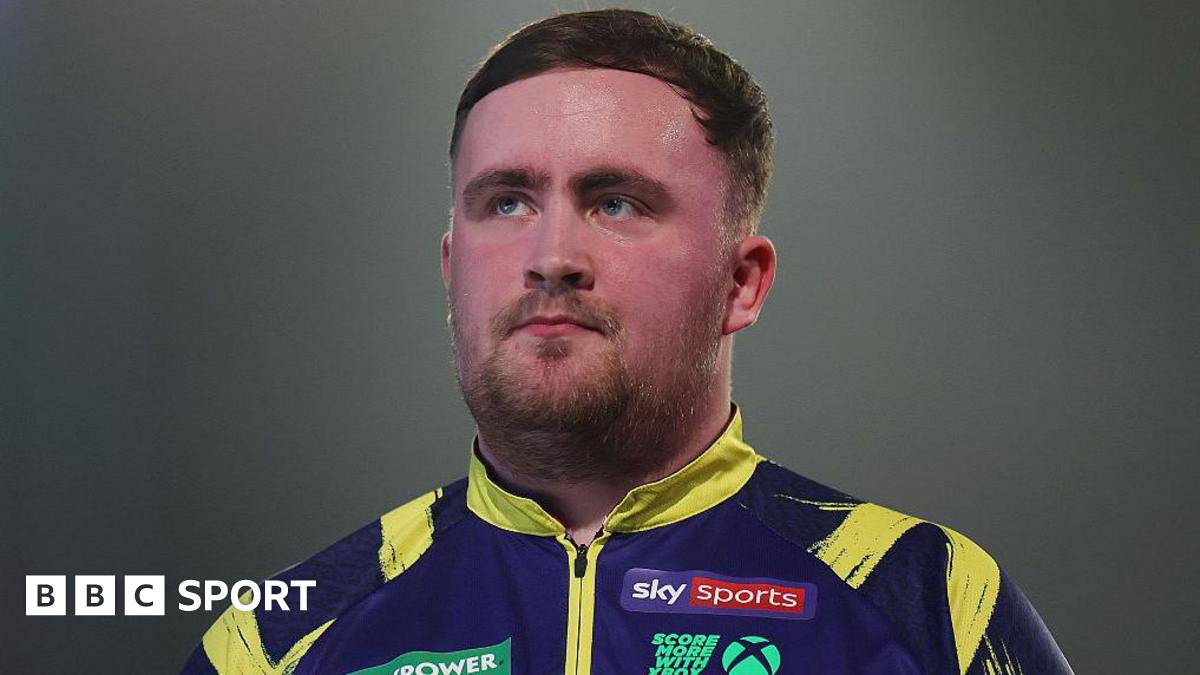
## The Hidden Advantage: How Corrective Eye Surgery Can Impact Athletic Performance – The luke Littler Story
The dazzling rise of 18-year-old darts sensation Luke Littler has captivated the world. beyond his amazing skill and composure,a recent revelation adds another layer too his story: childhood surgery to correct strabismus,commonly known as crossed eyes. This isn’t just a personal anecdote; it highlights a fascinating intersection of vision correction and athletic potential. Understanding the impact of eye surgery on performance, particularly in precision sports, is crucial. This article delves into the details of strabismus, the surgical interventions available, and how corrected vision can provide a surprising edge – a concept increasingly relevant in today’s competitive landscape.
### Understanding Strabismus and its Impact
Strabismus affects an estimated 2-4% of children, according to the National Eye Institute (NEI) – a figure that remains relatively consistent as of late 2024 data. It occurs when the eyes don’t align properly, causing them to point in different directions. This misalignment can lead to a variety of issues, including double vision, eye strain, and, crucially, impaired depth perception. For an athlete, particularly in a sport demanding pinpoint accuracy like darts, golf, or archery, compromised depth perception can be a significant handicap.
The brain, in an attempt to cope with misaligned eyes, often suppresses the image from one eye, leading to amblyopia, or “lazy eye.” Early detection and treatment are vital. While glasses or vision therapy can sometimes manage strabismus, surgery, as in Luke Littler’s case, is often necessary to realign the eye muscles. The type of surgery performed depends on the specific nature of the misalignment and can range from minimally invasive adjustments to more complex procedures.
Did You Know? Strabismus isn’t always present at birth. It can develop later in childhood, sometimes due to underlying neurological conditions or undetected refractive errors.
### The Surgical Correction: What’s Involved?
The surgery Luke Littler underwent, performed at Warrington Hospital, aims to restore binocular vision - the ability to use both eyes together effectively.The procedure involves adjusting the muscles that control eye movement. Modern strabismus surgery often utilizes minimally invasive techniques, resulting in smaller incisions, faster recovery times, and reduced scarring.
According to a study published in the *Journal of American Association for Pediatric Ophthalmology and Strabismus* (November 2024), advancements in adjustable sutures allow surgeons to fine-tune eye alignment in the days following surgery, optimizing the outcome. This is a significant advancement over older techniques where adjustments were more difficult to achieve. Recovery typically involves a few days of rest, followed by a gradual return to normal activities. While some patients may experience temporary discomfort or blurred vision, most achieve significant improvement in eye alignment and visual function.
Pro Tip: If you suspect strabismus in yourself or your child, schedule a complete eye exam with an ophthalmologist specializing in pediatric ophthalmology and strabismus. Early intervention is key.
### Vision Correction and Athletic Performance: A Competitive Edge
Luke Littler’s own words – “Who knows?” when asked if his life would have been different without the surgery – are incredibly insightful. While it’s unfeasible to say definitively,the impact of corrected vision on his dart-playing ability is likely significant. precision sports rely heavily on accurate depth perception, hand-eye coordination, and visual tracking. Correcting strabismus can dramatically improve these skills.
Consider the case of professional golfers. Many elite golfers undergo LASIK or other refractive surgeries to enhance their vision. A 2023 survey of PGA Tour players revealed that over 40% had undergone vision correction surgery, citing improved depth perception and reduced glare as key benefits. Similarly,in archery,where even the slightest visual misalignment can affect accuracy,vision correction is common among competitive archers.
Here’s a fast comparison:
| Feature | Uncorrected Strabismus | Corrected Vision (Post-Surgery) |
|---|