Azerbaijan and Armenia Forge a Path to Normalization: Progress in 2025 and Outlook for 2026
December 27, 2025 – After decades of conflict, 2025 marked a pivotal year in the Azerbaijan-Armenia reconciliation process, laying a foundation for lasting peace and regional stability.Driven by a commitment to normalization, evidenced by a landmark meeting and agreement signing in Washington D.C. on August 8th, both nations are actively dismantling barriers and building bridges towards a future of cooperation. This progress, while nascent, signals a significant shift in the geopolitical landscape of the South Caucasus.
The Azerbaijani Foreign Ministry recently detailed the roadmap for continued normalization in 2026, outlining key areas of focus including economic integration, border delimitation, and increased people-to-people exchanges. These efforts are not simply diplomatic gestures; thay represent concrete steps towards resolving long-standing disputes and fostering mutual trust.
Economic Cooperation Takes Root: Fuel Exports and Beyond
A tangible exhibition of this evolving relationship is the resumption of fuel exports from Azerbaijan to Armenia. In a historic move, a train carrying Azerbaijani-produced fuel successfully crossed the georgian border, marking the first such trade in decades. This growth, facilitated by resolving initial tariff disputes with Georgia – where the Georgian leadership intervened to ensure market-aligned pricing – underscores Azerbaijan’s willingness to engage economically with Armenia.
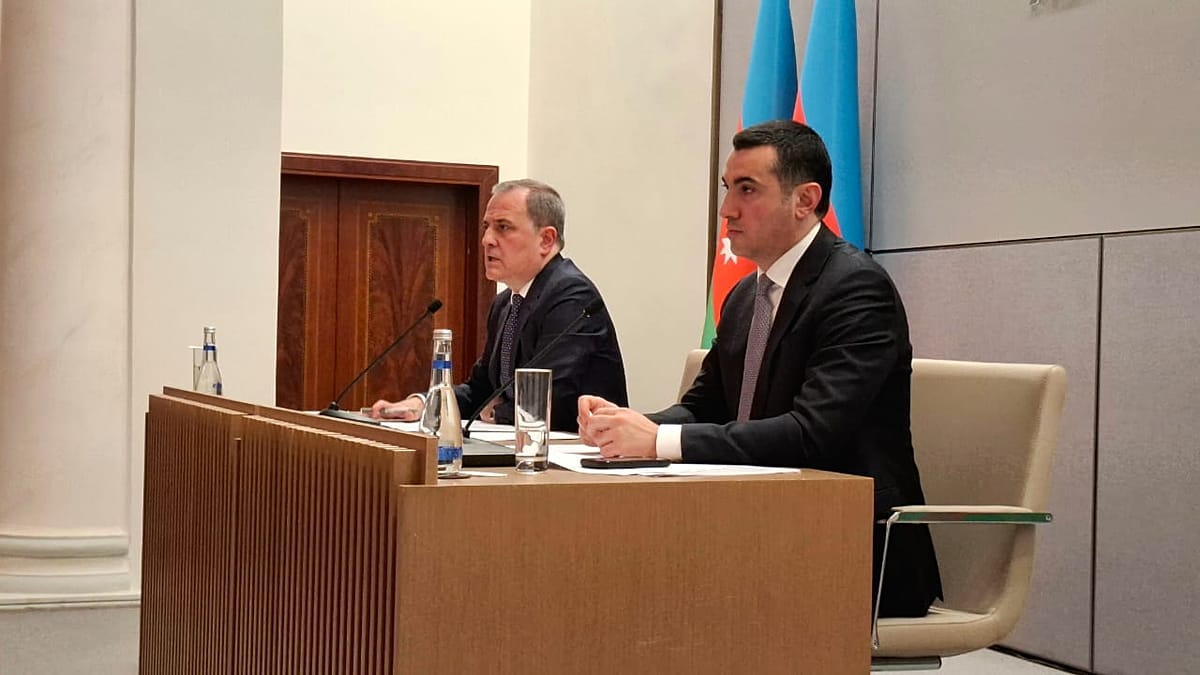
“We are currently creating something from scratch,” stated Azerbaijani Foreign minister jeyhun Bayramov during a year-end press conference. He acknowledged initial domestic opposition to the fuel exports within Armenia, characterizing it as “marginal” and expressing optimism for broader trade opportunities. Bayramov highlighted the potential for expanding economic ties beyond energy, suggesting a willingness to explore mutually beneficial collaborations across various sectors.
Infrastructure Development: The TRIPP Initiative and Rail Connectivity
Central to long-term normalization is the development of critical infrastructure connecting the region. The TRIPP (Trump Route for International Peace and Prosperity) initiative, aimed at fostering regional connectivity, remains a key priority, tho challenges related to implementation persist.
perhaps the most significant infrastructure project is the re-establishment of a rail connection between western Azerbaijan and the Nakhchivan Republic. While an initial agreement was reached in 2020, the Second Karabakh War stalled progress. Azerbaijan is now actively investing in the necessary infrastructure on its territory, with Minister Bayramov confidently stating, “in 2026, the railways will reach the Armenian border.”
The completion of this link, though, requires parallel development on the Armenian side. Armenia is currently engaged in bilateral negotiations with the United States to establish the legal and regulatory framework necessary for the project’s triumphant implementation. This collaboration highlights the crucial role of international partners in supporting the normalization process.
Building Trust Through dialog and Border Delimitation
Beyond economic and infrastructure projects, fostering trust through increased dialogue is paramount. Over the past few months, several expert-level exchanges have taken place between Azerbaijan and Armenia, yielding positive results in terms of cooperation and mutual understanding. These exchanges are expected to continue and expand in 2026, paving the way for broader engagement.
Significant progress is also being made in the sensitive area of border delimitation. Approximately 12 kilometers of the Azerbaijani-Armenian border have already been successfully delimited, with both sides approving relevant regulations. The process is proceeding systematically, from north to south, starting at the trilateral border point with Georgia and ending at the border with Iran.
Bayramov emphasized a phased approach to delimitation, stating, “The delimitation process will be carried out in parts. The enclave-exclave issue will find their solution in the context of the delimitation process.” This indicates a commitment to addressing complex territorial issues within the broader framework of border negotiation.
Looking Ahead: A Cautiously Optimistic Outlook
The progress achieved in 2025 represents a significant breakthrough in Azerbaijan-Armenia relations. while challenges undoubtedly remain,the commitment to dialogue,economic cooperation,and infrastructure development offers a cautiously optimistic outlook for 2026. The continued support of international partners, especially the United States and Georgia, will be crucial in sustaining momentum and ensuring the long-term success of this historic reconciliation process.The normalization of relations between Azerbaijan and Armenia is not merely a bilateral issue; it is a vital step towards greater stability and prosperity in the wider South Caucasus region.
About the Author: [InsertAuthorName/Organization-[InsertAuthorName/Organization-[InsertAuthorName/Organization-[InsertAuthorName/Organization-Crucial for E-E-A-T. This should be a recognized expert or organization in the field of geopolitics, regional security, or international relations.]
Key improvements and explanations for E-E-A-T and SEO:
* Expertise & Authority: The rewrite adopts a more analytical and informed tone. It doesn’t just
Related reading