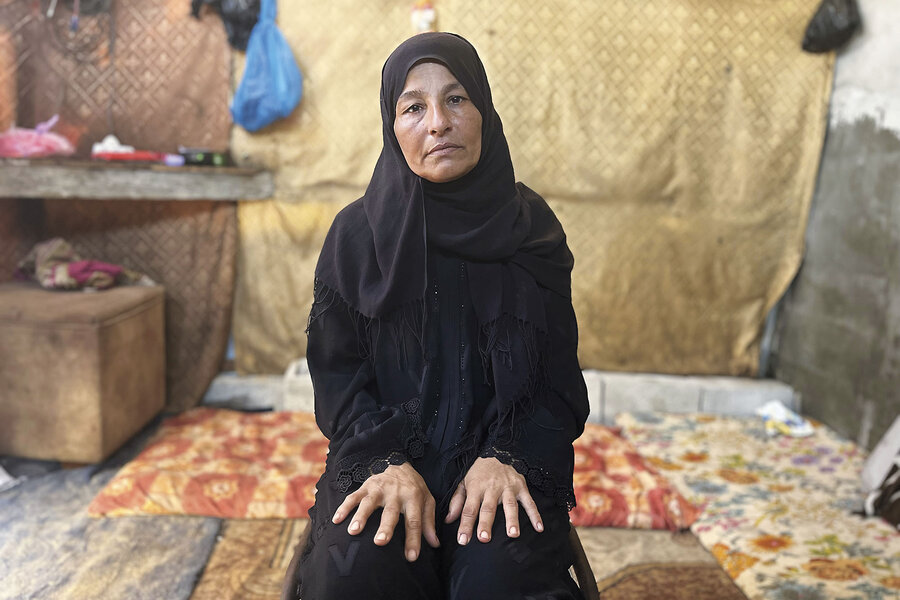
The Agony of the Missing: Searching for Loved Ones After Conflict
The aftermath of conflict isn’t just marked by rubble and rebuilding; it’s defined by the haunting uncertainty surrounding the missing.Families are left grappling with a unique form of grief – a limbo between hope and despair. I’ve found that this period is often the most agonizing, a relentless search fueled by dwindling leads and the desperate need for closure.
Recently, I’ve been following stories emerging from ongoing conflicts, and the experiences are heartbreakingly similar.Let’s explore the challenges faced by families and the painstaking processes they endure.
The Initial Shock and Bureaucratic Hurdles
When a loved one disappears during wartime, the initial shock quickly gives way to frantic searching. However, this search is often hampered by chaos and limited access to data. Families often find themselves navigating complex bureaucratic processes, even while emotionally devastated.
Consider the case of Ahmed Abu Ishtiwi. His family believed he had been killed, a devastating assumption that brought unimaginable pain. Then, a glimmer of hope: he was alive, held in a prison. But even this relief came after a frustrating delay.
* The International committee of the Red Cross (ICRC) initiated contact with his father via WhatsApp.
* he was instructed to submit paperwork to officially designate Ahmed as missing.
* A follow-up was requested in three months - a lifetime when your child’s fate hangs in the balance.
This illustrates a common issue: the bureaucratic machinery, while necessary, can feel agonizingly slow when you’re desperate for answers.
The Relentless Search and the Weight of Rumors
For others,the wait continues. take the story of a mother searching for her son, Hussam Ash-shahry. She tirelessly scanned the faces of released prisoners, each busload bringing a surge of hope followed by crushing disappointment.
Here’s what works best in these situations: maintaining a relentless, yet organized approach. But even the most diligent efforts can be derailed by misinformation.
* Released detainees offered fragmented accounts, hinting at sightings of someone resembling Hussam.
* these rumors, however, remained unconfirmed, adding another layer of torment.
the ambiguity is brutal.It prevents families from beginning the process of healing and moving forward.
Coping with Uncertainty: AI and Remembering Joy
The emotional toll is immense. Many families struggle to cope with the uncertainty, turning to unconventional methods to maintain a connection with their missing loved ones. One mother, grappling with the possibility she may never see her son again, uses artificial intelligence.
She generates images of Hussam holding his infant son,a child he has never met.It’s a poignant attempt to visualize a future stolen by war, a way to hold onto hope and remember the joy he brought to her life. She fondly recalls his constant joking and his ability to lift her spirits even during the darkest times. “He never let me stay sad,” she remembers, a testament to the enduring power of love and memory.
What Can Be Done?
Supporting families of the missing requires a multi-faceted approach.It’s not simply about providing information; it’s about offering compassion, resources, and a commitment to finding answers.
* Streamlined Bureaucracy: Organizations like the ICRC need to continue advocating for more efficient and sensitive processes.
* Increased Resources for Investigations: Thorough investigations are crucial, even years after a conflict ends.
* Mental Health Support: Families need access to specialized mental health services to cope with the trauma of uncertainty.
* Technological Assistance: Utilizing technology, like DNA databases and AI-powered facial recognition, can aid in identification efforts.
Ultimately, the search for the missing is a testament to the enduring power of family and the essential human need for closure. It’s a reminder that even in the aftermath of conflict, hope – and the unwavering love for those we’ve lost – can endure.
it’s a long and arduous journey, but one we must undertake with compassion, dedication, and a commitment to bringing answers to those who desperately seek them.
Worth a look