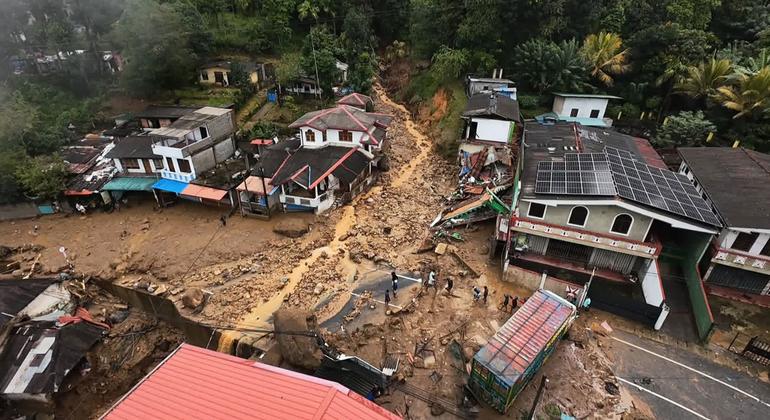
Sri Lanka Faces Long Road to Recovery After Cyclone Ditwah
Cyclone Ditwah has left a devastating mark on Sri Lanka, triggering a meaningful humanitarian crisis and posing long-term challenges to the nationS economic stability and food security. International aid organizations are working tirelessly on the ground, but a critical funding gap threatens to impede the recovery process. This article provides a complete overview of the situation, outlining the immediate impacts, economic consequences, and the urgent need for continued support.
Immediate Impact & Relief Efforts
IOM teams are actively delivering essential shelter and relief supplies to communities directly impacted by the cyclone. These efforts are crucial in providing immediate assistance to those who have lost their homes and livelihoods. The scale of the disaster necessitates a coordinated response, with numerous organizations working alongside the Sri Lankan government.
You can see the impact of the cyclone firsthand in the affected regions, where communities are struggling to rebuild their lives.
Economic Devastation & Food Insecurity
the cyclone has inflicted a significant blow to Sri Lanka’s economy. A recent assessment by the World Bank estimates total damages at $4.1 billion, representing 4% of the country’s GDP. This significant economic setback will have far-reaching consequences for years to come.
Agriculture has been especially hard hit, with losses exceeding $800 million. More than 58,000 hectares of paddy land have been flooded in eastern districts, jeopardizing food production and the incomes of countless smallholder farmers. This situation raises serious concerns about food security and the potential for widespread hunger.
Here’s a breakdown of the key economic impacts:
* Overall Damage: $4.1 billion (4% of GDP)
* Agricultural Losses: Over $800 million
* Flooded Paddy Land: 58,000+ hectares
The Urgent Need for Funding & Support
At the request of the Sri lankan government, UN agencies and humanitarian partners launched a Humanitarian Priorities Plan earlier this month. This plan seeks $35.3 million to provide vital assistance to the most vulnerable populations.
However, funding is falling short of the required amount. UNICEF,such as,needs $7.8 million to continue its emergency response for children, but has only received less than half of that sum as of December 23rd.
Without sustained financial support, the recovery process will be substantially delayed, particularly for children. Their education, safety, and overall well-being are at risk as Sri Lanka navigates this challenging period.
Here’s what’s at stake if funding doesn’t materialize:
* Delayed Recovery: Slowed progress in rebuilding communities and infrastructure.
* Increased Vulnerability: Heightened risks for children, including disruptions to education and safety concerns.
* Food Security Concerns: Potential for widespread hunger and malnutrition.
Looking Ahead: A Long and Tough Recovery
The road to recovery will be long and arduous for Sri Lanka. sustained international support is essential to help the nation rebuild its economy, restore food security, and ensure the well-being of its citizens.
You can play a role in supporting the recovery efforts by donating to reputable humanitarian organizations working on the ground. Every contribution, no matter how small, can make a difference in the lives of those affected by cyclone Ditwah.
It’s crucial to remember that this is not just a humanitarian crisis; it’s a test of global solidarity. By working together,we can definitely help Sri Lanka overcome this challenge and build a more resilient future.
Keep reading
- North Carolina House Bill 328: Hemp Industry Rallies Against Proposed THC Ban
- Judge Dismisses Final Jan. 6 Capitol Attack Prosecution at DOJ Request
- Man Utd Pursue Lewis Hall: Transfer Race and Release Clause Updates (archynewsy.com)
- Why Museums Still Ban Your Camera Flash, Even Though It's Harmless (daybreakwire.com)