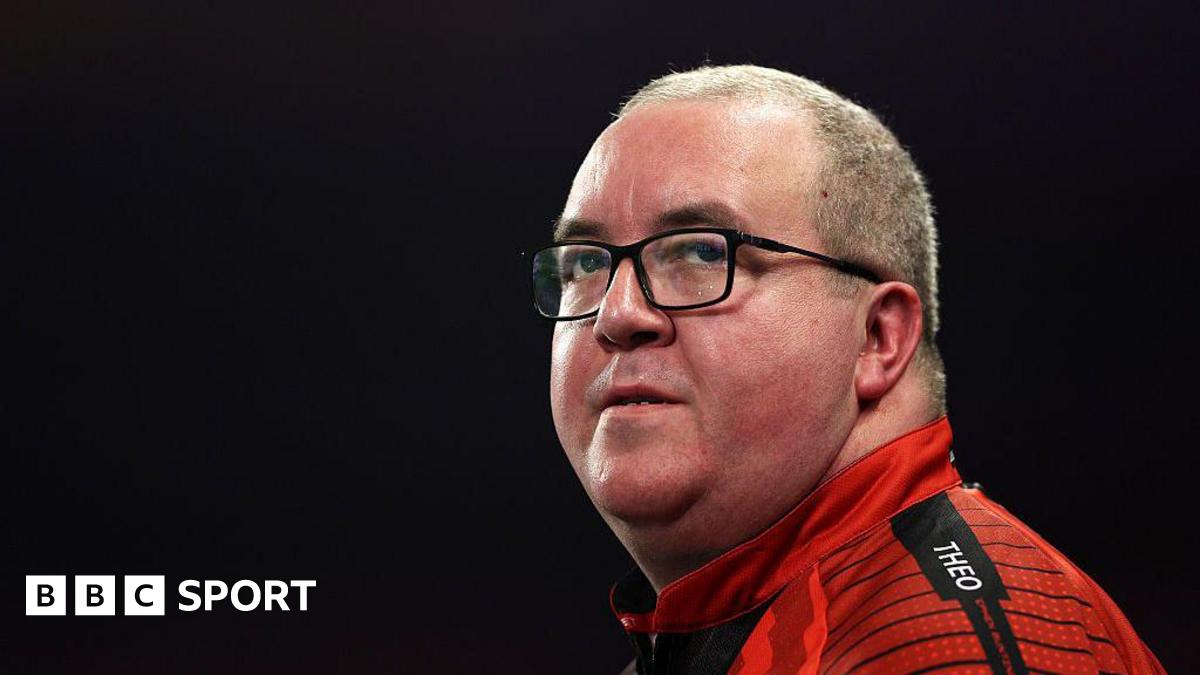
Online Abuse Targets Stephen Bunting’s Son Following Darts Championship Loss
The world of professional darts, known for its intense competition and passionate fanbase, has sadly been marred by a disturbing incident of online abuse. Following Stephen Bunting’s narrow 4-3 defeat to James Hurrell at the 2026 PDC world Darts Championship, his 13-year-old son became the target of hateful comments online. This incident shines a harsh light on the darker side of sports fandom and the impact of cyberbullying, even on the families of athletes.
A Dramatic Exit & A Family’s Support
Bunting, currently ranked number four globally, experienced a heartbreaking loss at Alexandra Palace on Saturday. The match itself was a rollercoaster, going to a deciding seventh set.Throughout the intense competition,cameras frequently focused on Bunting’s son,visibly and enthusiastically supporting his father. His passionate displays of encouragement resonated with many viewers,highlighting the strong bond between father and son.
Though, this public display of support came at a cost. Shortly after the match, Bunting revealed on X (formerly Twitter) that his son had been subjected to online abuse. He expressed his deep hurt and concern for his family.
Bunting’s Response & The Impact of Online Hate
In a heartfelt post, Bunting explained his brief social media hiatus, stating the need for time to recover and process the events. He emphasized the immense motivation his family provides and his commitment to making them proud.
“they see the negative comments and do their best to make sure I don’t see them – and even [my son] has had some hate from some of the trolls online,which really is hurtful for us as a family,” Bunting wrote. He described his son as “one of the nicest kids you could wish to meet” and pledged to spend more quality time with him in the coming year.
This incident isn’t isolated. Online abuse of athletes and their families is a growing concern across all sports. The anonymity offered by the internet often emboldens individuals to engage in harmful behavior they wouldn’t consider in person.
The Broader Issue of Cyberbullying in Sports
The targeting of Stephen Bunting’s son underscores a disturbing trend. Cyberbullying in sports isn’t limited to direct attacks on athletes; it frequently extends to their loved ones. This can have devastating consequences, impacting mental health and well-being.
Here’s why this is notably damaging:
* Vulnerability of Family Members: Family members, especially children, haven’t chosen the public life of an athlete and are often unprepared for the negativity.
* Escalation of Abuse: Online abuse can quickly escalate, moving from hurtful comments to threats and harassment.
* Long-Term Psychological Effects: Experiencing cyberbullying can lead to anxiety, depression, and a loss of self-esteem.
Organizations like the Cyberbullying research Centre (https://cyberbullying.org/) offer resources and support for victims and families dealing with online harassment. The PDC (Professional Darts Corporation) has yet to release an official statement regarding the incident, but is likely to review its policies regarding online conduct.
Potential Consequences for Bunting & The Premier League
Beyond the emotional toll, Bunting’s early exit from the World Darts Championship could have professional repercussions. His defeat to Hurrell, ranked 63rd in the world, jeopardizes his automatic qualification spot for the 2026 Premier League Darts campaign. A drop outside the world’s top four is now likely, possibly impacting his opportunities in the prestigious league.
Evergreen Insights: Protecting Athletes & Their Families Online
The incident involving Stephen Bunting’s son serves as a crucial reminder of the need for greater online obligation and protection. Here are some key takeaways:
* Social Media Platforms Must act: Platforms need to be more proactive in identifying and removing abusive content, and enforcing their terms of service.
* Education is Key: Raising awareness about the harmful effects of cyberbullying is essential. This includes educating fans, athletes, and their families.
* Support Systems are Vital: Athletes and their families need access to mental health resources and support networks to cope with online abuse.
* Reporting Mechanisms: Clear and accessible reporting mechanisms are crucial for victims to report abuse and seek help.
FAQ:
Keep reading