The Eroding Trust in Media and the Silence of Influencers
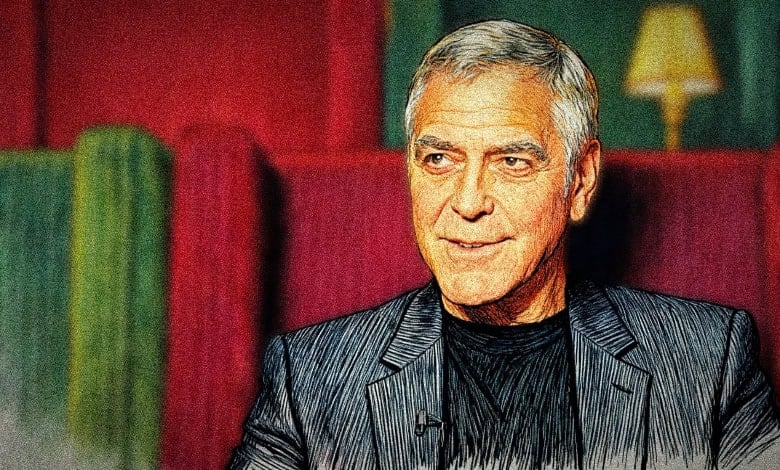
Public trust in traditional media is at a historic low,and it’s a crisis years in the making. Recent events, including prominent figures like George Clooney publicly questioning President Biden’s fitness for office after a period of silence, highlight a larger issue: the complicity of influential individuals in overlooking a pattern of journalistic failings.
Clooney’s delayed commentary, following a noticeable dip in Biden’s poll numbers, underscores a reluctance to speak out when it matters most. But his situation isn’t unique. It’s symptomatic of a broader problem within the media landscape itself.
A Catalog of Errors: The Rise of “Hoaxes”
Over the past year, a important number of high-profile stories presented by major news outlets have been demonstrably false or misleading. These aren’t simple errors; they represent a pattern of sensationalism, bias, and a disregard for factual accuracy. Consider these examples:
* Trump was falsely accused of “destroying” the White House.
* A heartbreaking photo circulated claiming to show a starving baby in Gaza proved to be a fabrication.
* Reports alleging Israeli troops murdered Palestinians seeking food were debunked.
* Predictions of exploding prices due to Trump’s tariffs didn’t materialize.
* Stories about a Maryland man were entirely fabricated.
* Claims of disproportionately high mortality rates for Black newborns under white doctors were inaccurate.
* Elon Musk was falsely accused of performing a Nazi salute.
* False narratives emerged claiming Trump called for the execution of Liz Cheney.
* Reports suggesting violent crime was down under the Biden/Harris administration were misleading.
* stories surrounding Arlington Cemetery were inaccurate.
* The narrative of Kamala Harris as the “Border Czar” was demonstrably false.
* The long-discredited “Russia Collusion” narrative persisted.
* The “Hands up, Don’t Shoot” narrative was proven false.
* The Jussie Smollett incident was revealed as a hoax.
* the “Covington Kids” were unfairly portrayed.
* The “Very Fine Peopel” quote was taken out of context.
* Claims of Russian bounties on U.S. troops were unsubstantiated.
* False accusations were made that Trump disparaged the military.
* The January 6th protest was falsely characterized as a violent event with police deaths.
* The Rittenhouse case was misrepresented.
* Reports of Border Patrol agents “whipping” migrants were inaccurate.
* The NASCAR noose incident was a hoax.
* Georgia’s voting laws were falsely labeled as “Jim Crow 2.0.”
* claims of Trump assaulting Secret Service agents were unsubstantiated.
* The COVID lab leak theory was unfairly dismissed as racist.
* Hunter Biden’s laptop was initially dismissed as Russian disinformation.
* False claims were made about Biden planning to ban gas stoves.
* Reports of mass graves of Indigenous children in canada were inaccurate.
* The claim that Trump advised people to drink bleach was a distortion.
* The Hamas hospital incident was misrepresented.
* Predictions of Trump executing people if re-elected were unfounded.
This list, while not exhaustive, paints a disturbing picture. You deserve accurate information, and these repeated failures erode the foundation of a well-informed society.
Why does This matter to You?
The consequences of this erosion of trust are far-reaching. When you can’t rely on the news, it becomes challenging to make informed decisions about your life, your community, and your country. It fuels polarization, breeds cynicism, and weakens the democratic process.
Moreover, the willingness of influential figures to remain silent when they witness these failings only exacerbates the problem. Clooney’s case is illustrative. His initial silence, followed by a late-stage critique, suggests a prioritization of maintaining access and relationships over a commitment to journalistic integrity.
The Power Dynamic and the Future of Journalism
It’s understandable why Clooney might hesitate to
Keep reading